 Chandra Wijayanto
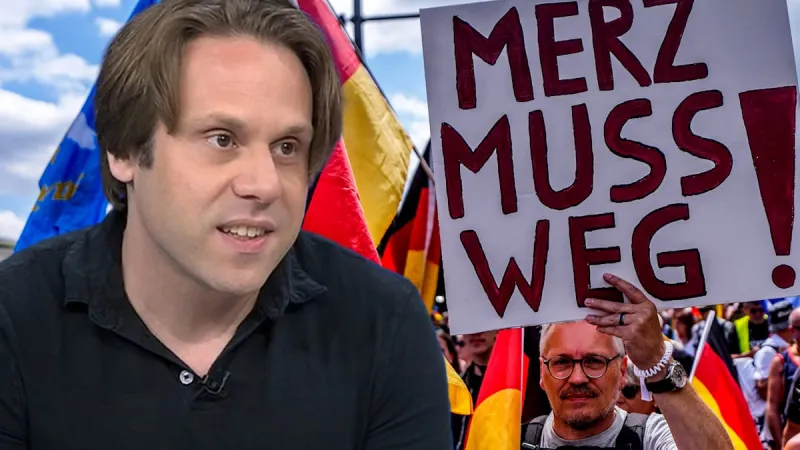
BERLIN – Friedrich Merz, the leader of Germany's Christian Democratic Union (CDU), faces an intensifying wave of criticism that a leading German observer, Dennis Sand, has condemned as a developing witch hunt. While acknowledging the initial validity of some scrutiny, Sand suggests the public discourse has dangerously veered into excessive and malevolent territory, particularly concerning Merz's slips of the tongue and alleged moments of mental lapse.
Sand, a commentator whose observations resonate within German media circles, articulated his concerns regarding the current climate surrounding Merz. He contends that what began as fair journalistic inquiry and political critique has transitioned into a relentless pursuit, threatening the integrity of political debate in Germany.
The debate centers heavily on Merz's public appearances and statements, where isolated gaffes or perceived hesitations have been amplified across various platforms. These incidents, according to Sand, are now being used disproportionately to question the CDU leader's overall capability and fitness for high office.
For many, Merz's position as a leading opposition figure, and a potential future Chancellor, naturally places him under intense public and media scrutiny. However, the current level of focus on minor errors and speculative assessments of his cognitive state raises questions about the fairness and balance of this critique.
Merz, a veteran politician, has long been a polarizing figure within German politics, known for his direct style and conservative viewpoints. His leadership of the CDU comes at a crucial time for the party, which is navigating complex political landscapes and facing challenges from surging populist movements.
Indeed, the broader context of German politics reveals a German CDU Leader Faces Uphill Battle As AfD Gains Power, intensifying the pressure on figures like Merz. Every misstep is scrutinized, often through the lens of political advantage or disadvantage for the mainstream parties.
Sand's strong words, particularly his reference to a witch hunt, underscore a growing apprehension among some observers that the political environment is becoming increasingly hostile and less tolerant of human imperfection, even among experienced leaders.
This trend, if left unchecked, could have broader implications for German democracy, potentially discouraging capable individuals from entering public service or leading to a more cautious, less authentic style of political communication.
Critics of Merz argue that his gaffes are not isolated incidents but rather symptomatic of deeper issues, and therefore deserve robust examination. They maintain that public figures must withstand rigorous scrutiny, especially those aspiring to lead the nation.
However, Sand's intervention highlights a critical distinction between legitimate accountability and an overzealous, perhaps partisan, attack that undermines constructive dialogue. He advocates for a return to fact-based criticism rather than personal attacks disguised as commentary on competence.
The ongoing discourse surrounding Friedrich Merz serves as a case study for the evolving nature of political journalism and public engagement in the digital age. The speed at which perceived errors can spread and consolidate into widespread narratives demands a careful and responsible approach from both media and public alike.
Ultimately, the call from Dennis Sand is a plea for proportionality and ethical conduct in political debate. It urges a reflection on whether the current focus on Merz contributes meaningfully to public understanding or merely serves to sensationalize and demonize.