 Chandra Wijayanto
BERLIN – German Chancellor Friedrich Merz experienced a significant erosion of his political power over the past summer, attributed to persistent coalition disputes, challenging personnel debates, and a contentious tax standoff between his Union bloc and the Social Democratic Party (SPD). These cumulative pressures have markedly weakened his standing within the nation's often fractious political landscape, according to a leading media analysis.
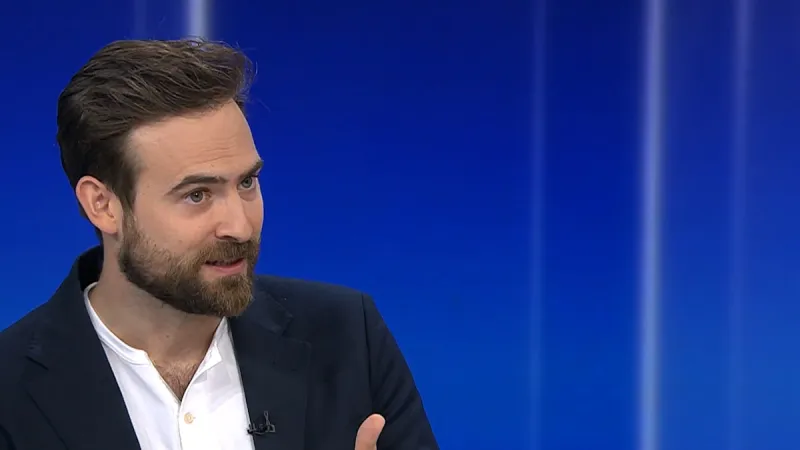
Sebastian Vorbach, a veteran editor for WELT, characterized this period as a “summer of eroding power” for the Chancellor. His assessment underscores the growing challenges confronting Merz, whose leadership has faced mounting scrutiny from both political allies and opponents alike as 2026 progresses.
The ruling coalition, composed of the Union bloc and the Social Democratic Party (SPD), has been plagued by internal disagreements on various policy fronts. These disputes, often played out in public, have projected an image of disunity and inefficiency, directly impacting the Chancellor's ability to steer the legislative agenda effectively.
Compounding these struggles are the intense personnel debates that have recently transpired within the government. These internal wranglings, speculated to involve key ministerial positions and party leadership roles, have diverted crucial attention and resources from pressing national issues. Such internal strife often signals instability at the highest levels of government.
A particularly thorny issue has been the protracted tax dispute between the Union bloc and the SPD. This disagreement over fiscal policy has not only created legislative gridlock but has also highlighted fundamental ideological differences within the coalition, further straining the relationship between its constituent parties.
These recurrent skirmishes have collectively undermined Chancellor Merz's authority. His ability to project strong, unified leadership has been compromised, prompting questions about the long-term viability and effectiveness of his administration as Germany navigates complex domestic and international challenges.
The Chancellor's difficulties are not isolated incidents; rather, they reflect a broader period of political fluidity in Germany. Recent events, such as the controversy surrounding Stendal CDU votes empowering the far-right AfD and the ongoing debates about coalition integrity, underscore the pressures on established parties.
The rise of populist movements, notably the Alternative for Germany (AfD), continues to complicate the political calculus. With figures like AfD leader Alice Weidel demanding the abolition of the German domestic intelligence agency and other party members backing controversial stances, the mainstream parties are under immense pressure to present a united front, a task made harder by internal strife.
Public confidence in the government's stability and competence has reportedly wavered. Persistent infighting within the coalition creates an impression of indecisiveness, potentially eroding voter trust ahead of future electoral contests. This perception can be particularly damaging for a leader striving to consolidate power.
Historically, periods of significant internal party and coalition dissent have often preceded shifts in political leadership or major policy realignments. The current climate draws parallels to past instances where a Chancellor's authority was challenged by a fractured political environment, suggesting a critical juncture for Merz's chancellorship.
Beyond political optics, the instability carries economic implications. Delays in policy implementation due to coalition disagreements can hinder economic growth, affect business confidence, and complicate Germany's response to global financial pressures. A stable political environment is crucial for economic foresight and planning.
Looking ahead, Chancellor Merz faces the daunting task of reasserting his authority and forging greater cohesion within his government. Successfully navigating the remaining tax dispute and demonstrating firm leadership on critical issues will be paramount to reversing the trend of “eroding power” and stabilizing his position.
Rebuilding trust, both within the coalition and among the electorate, will require strategic maneuvering and a clear articulation of the government's vision. The challenges presented by a fragmented parliament and the growing influence of fringe parties necessitate a strong, unified response to maintain governmental efficacy and public support.