Gabriella
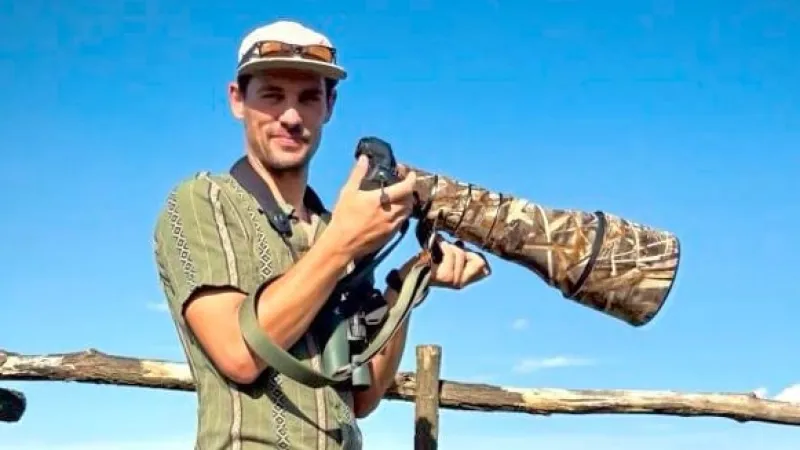
BERLIN – A growing number of individuals, including prominent figures like Oberkommissar Wieland Goetzler, are actively embracing birdwatching as an unexpected yet potent antidote to the mounting pressures of modern life. This seemingly simple act of observing avian species through binoculars is transforming personal perspectives and offering a much-needed mental escape from professional demands, providing a unique form of stress relief.
Oberkommissar Goetzler, a veteran police officer, describes a pervasive sense of pressure inherent in his demanding profession. The relentless nature of his duties created a profound need for an outlet, a sanctuary where the weight of responsibility could momentarily lift.
His journey to ornithological pursuits was not immediate but evolved as he sought effective ways to decompress. “The greater the pressure became,” Goetzler states, “the more I needed this escape.” This sentiment resonates with many experiencing high-stress environments.
Birdwatching, he explains, offers a unique form of mindfulness. It demands complete attention to the present moment, shifting focus from internal anxieties to the intricate world of nature. The vibrant plumage, distinct calls, and complex behaviors of birds serve as compelling distractions.
The act of seeking out specific species, patiently waiting, and then identifying a rare visitor brings a quiet satisfaction that contrasts sharply with the urgency of his daily work. This deliberate pace cultivates a sense of calm and helps to reframe challenges.
Beyond mere distraction, Goetzler attests that the practice has profoundly altered his outlook on his own existence. Through the lens of his binoculars, he observes life cycles, resilience, and adaptability in the natural world, prompting introspection about his personal and professional journey.
This burgeoning interest in birdwatching for mental well-being is not isolated to law enforcement. Therapists and wellness advocates increasingly point to the benefits of connecting with nature, with activities like bird observation offering accessible pathways to such engagement.
Studies suggest that spending time in green spaces and observing wildlife can lower cortisol levels, reduce symptoms of anxiety and depression, and improve overall mood. Birdwatching specifically encourages sustained, focused attention, similar to meditation, without the perceived formality.
The accessibility of birdwatching contributes to its appeal; it requires minimal equipment—often just a pair of binoculars and a field guide—and can be practiced in urban parks, rural landscapes, or even from a backyard window.
Goetzler emphasizes that this hobby is more than just a pastime; it is a vital coping mechanism. It allows him to return to his challenging role with a refreshed mind, better equipped to handle the stresses and complexities of public service.
The quiet dedication required for birdwatching fosters patience and observation skills, attributes that inadvertently enhance professional performance by encouraging a more measured approach to problem-solving.
As modern society grapples with increasing demands on individuals, the search for accessible and effective methods of stress reduction intensifies. Birdwatching stands out as a deceptively simple yet profoundly impactful answer for many.