Gabriella
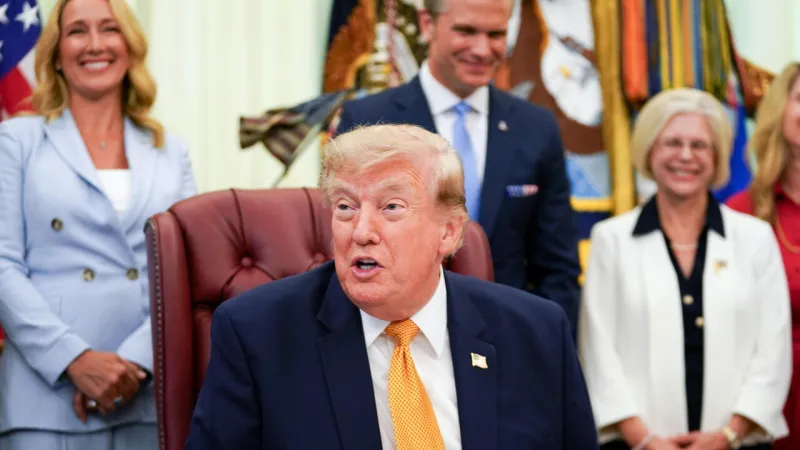
Tehran today categorically denied claims by President Donald Trump that negotiations between the United States and Iran were set to resume, simultaneously refuting any suggestion of a near agreement regarding the strategic Strait of Hormuz. The forceful rebuttal from Iranian authorities directly contradicts the American president's recent statements, throwing diplomatic efforts into question and highlighting persistent geopolitical friction in the Middle East.
President Donald Trump had publicly articulated an expectation for talks to commence today, implying significant progress toward a resolution concerning the vital waterway. His optimistic outlook painted a picture of a breakthrough, suggesting a diplomatic pathway was opening after years of heightened animosity between Washington and Tehran.
However, Iranian officials moved swiftly to dismantle this narrative, issuing stern declarations that no such discussions were scheduled or even under consideration. This unequivocal stance from Iran underscores the deep chasm that continues to divide the two nations on critical foreign policy issues, especially those pertaining to regional stability and nuclear ambitions.
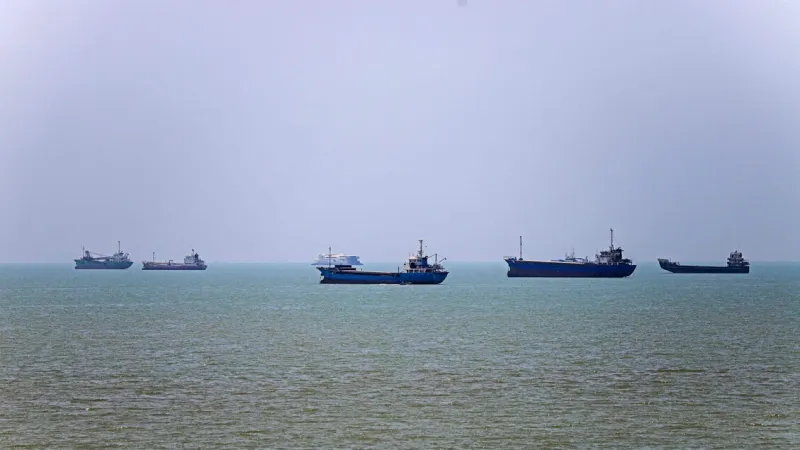
The Strait of Hormuz remains a flashpoint in international relations, a narrow chokepoint through which a significant portion of the world's oil supply transits. Control and security of the strait are paramount for global energy markets, making any agreement or disagreement over its future a matter of international concern.
Analysts note that President Trump's administrations have consistently maintained a robust posture against Iran, often employing severe economic sanctions and a visible military presence in the Persian Gulf. This approach aimed to compel Tehran to negotiate on terms favorable to Washington, particularly concerning its nuclear program and regional influence.
This latest diplomatic impasse follows a consistent pattern of distrust and conflicting narratives that have characterized US-Iran relations for decades. Each side frequently accuses the other of provocations or misrepresentations, making genuine dialogue exceedingly difficult.
The Iranian denial effectively pours cold water on any immediate hopes for a de-escalation of tensions in the region. Without a direct line of communication or a mutual understanding on the parameters for talks, the prospect of a lasting resolution appears increasingly remote.
Observers familiar with the intricacies of Middle Eastern diplomacy suggest that President Trump's statement may have been an attempt to exert pressure on Iran or to signal a willingness to engage, irrespective of whether formal arrangements were in place. However, Tehran's firm rejection indicates a reluctance to be drawn into what it may perceive as a premature or one-sided announcement.
Indeed, the relationship has been marked by strong declarations, such as when Trump Vows Persistent Naval Blockade on Iran Until Total Surrender, reflecting a hardline approach that has deeply shaped Iranian responses.
The implications of Iran's denial extend beyond the immediate question of negotiations. It signals Tehran's continued resistance to perceived external pressures and its determination to dictate its own diplomatic agenda. The international community, particularly nations reliant on oil shipments through Hormuz, will be closely monitoring developments for any signs of renewed escalation or a genuine shift towards dialogue.
Ultimately, the stark contradiction between the two nations' statements highlights the fragile state of geopolitical stability in the Middle East. While President Trump expressed optimism, Iran's firm rebuttal reinforces the reality that fundamental disagreements persist, leaving the path to any future accord uncertain and fraught with challenges.
The immediate future of US-Iran relations remains clouded, with no clear indication of when or if meaningful discussions might materialize. The current exchange reaffirms the deep-seated mistrust that characterizes their interactions, leaving global stakeholders to ponder the next move in this high-stakes diplomatic chess game.