 Stefani Rindus
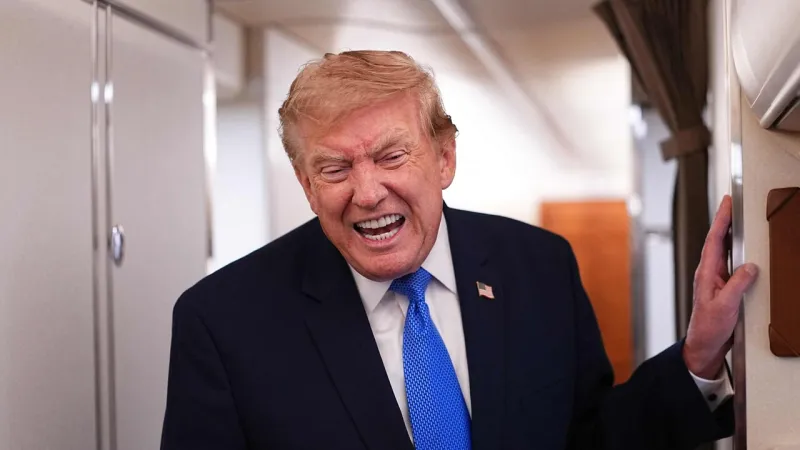
The United States will maintain a robust naval blockade against Iran, President Donald Trump declared, emphasizing that the economic and military pressure will not cease until either a comprehensive agreement is secured or Tehran undertakes a "total surrender." The stern pronouncement signals a hardening of Washingtons posture amid ongoing volatility in the Middle East.
President Trump, in his recent remarks, characterized Iranian leaders as "incredibly hypocritical," underscoring a deep-seated distrust in their intentions and public statements. This direct criticism accompanies a strategy aimed at intensifying external pressure on the Islamic Republic.
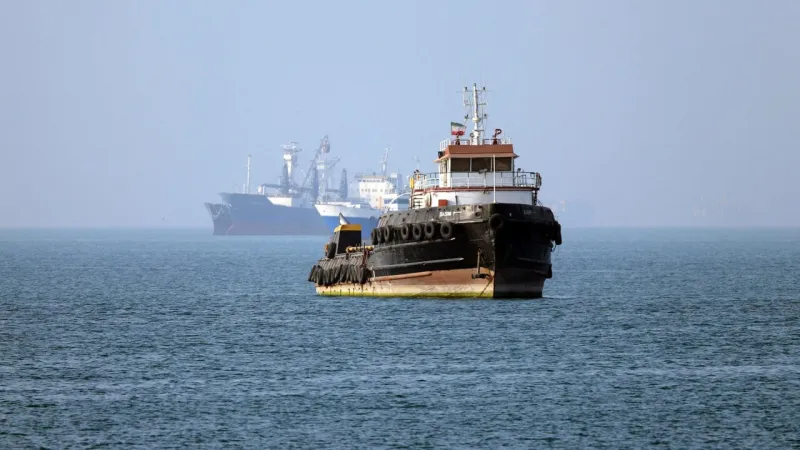
The sustained naval blockade primarily targets Irans vital maritime trade routes, particularly those for oil exports, which represent the bedrock of its national economy. This measure is a significant component of the broader US maximum pressure campaign, designed to curtail Tehrans regional influence, ballistic missile program, and perceived nuclear ambitions.
For decades, the strategic waterways of the Middle East, notably the Strait of Hormuz, have been central to global energy security and a flashpoint for US-Iran tensions. A substantial portion of the worlds oil supply transits through this narrow maritime choke point, making any disruption a matter of international concern.
Historical precedents show that previous rounds of international sanctions and maritime surveillance have severely impacted Irans ability to finance its government operations and military apparatus. The current blockade seeks to amplify these financial constraints.
Tehran has consistently pushed back against what it perceives as aggressive foreign intervention and often denies US allegations regarding its regional activities. While official communication remains complex, an earlier report titled Iran Denies US Negotiations Amid Hormuz Deal Speculation highlighted Tehrans reluctance for direct talks under duress.
The international community watches these developments closely. While some allies might quietly endorse measures to curb Irans actions, many express apprehension regarding the potential for escalation in an already combustible region. Global energy markets also remain highly sensitive to any shift in policy concerning the Strait of Hormuz.
Washingtons stated objectives in the Middle East invariably include preventing Iran from acquiring nuclear weapons, ending its support for proxy groups, and stabilizing the wider region. The blockade is presented as a forceful instrument to achieve these long-standing foreign policy goals.
President Trumps demand for "total surrender" represents a significant escalation in rhetoric, moving beyond the framework of traditional diplomatic negotiation towards a more definitive resolution. This stance suggests a comprehensive overhaul of Irans foreign and domestic policies is being sought.
Analysts suggest this approach is rooted in the belief that unwavering economic and military pressure is the most effective means to compel significant behavioral changes from the Iranian regime. However, such a strategy carries inherent risks of miscalculation and unintended consequences.
The persistent naval pressure, coupled with strong rhetorical warnings, ensures that the Middle East remains a critical arena for global geopolitics, with the long-term implications for regional stability and international relations yet to fully unfold.