 Dodi Irawan
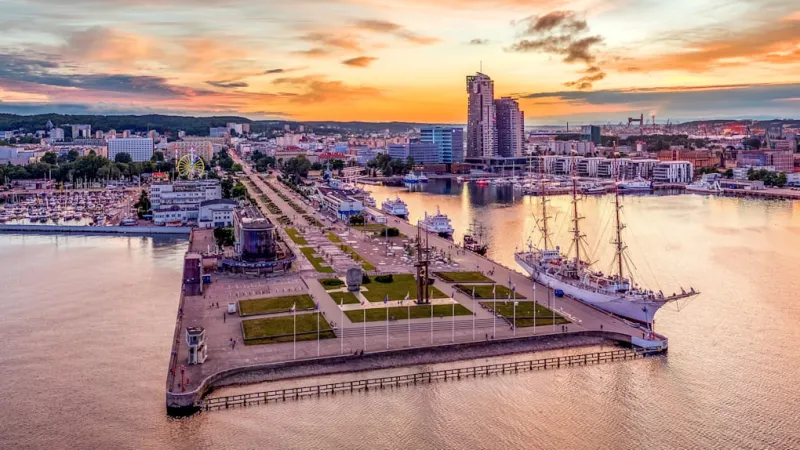
Gdynia, Poland, has officially been inscribed on the prestigious UNESCO World Heritage List, a significant recognition of its exceptional modernist architecture and urban planning. This designation celebrates the citys profound transformation over the past century, evolving from a modest fishing village into a vibrant and strategically vital port city on the Baltic Sea.
The announcement from UNESCO acknowledges Gdynias groundbreaking architectural heritage, which emerged during a pivotal period in the nations history. One hundred years ago, Poland embarked on an ambitious project to develop Gdynia into a modern maritime hub, a vision that profoundly shaped its distinctive urban fabric.
This rapid urbanization effort, initiated in the early 20th century, was driven by Polands imperative to gain independent access to the sea following its regaining of independence. The endeavor propelled Gdynia into a symbol of national ambition and progress, attracting architects and engineers dedicated to creating a city aligned with the cutting-edge design principles of the era.
The city became an unparalleled example of modernist and functionalist architecture, characterized by clean lines, innovative use of materials, and a focus on practical utility integrated with aesthetic appeal. Its buildings, often featuring rounded corners, large windows, and open spaces, reflected the spirit of modernity and efficiency.
Key architects of the period contributed to a cohesive urban landscape, ensuring that individual structures harmonized with the broader city plan. This holistic approach to urban development, prioritizing both functionality and a unified architectural style, is a central reason for UNESCOs recognition.
The UNESCO World Heritage status places Gdynia alongside some of the worlds most significant cultural and historical sites, ensuring its preservation for future generations. This international acknowledgment is expected to boost cultural tourism and further cement Gdynias reputation as an architectural marvel.
Beyond individual buildings, the designation underscores the successful implementation of a visionary urban plan that encompassed not only residential and commercial zones but also port facilities and public spaces. This comprehensive design transformed the barren coastline into a thriving metropolis in a remarkably short period.
The centennial anniversary of Gdynias founding coincides meaningfully with this UNESCO honor, highlighting a century of resilience, innovation, and architectural distinction. The citys development trajectory serves as a compelling case study in 20th-century urban planning and national development.
Officials in Poland have welcomed the news, emphasizing its importance for national pride and cultural heritage. They anticipate that the increased visibility will attract scholars, architects, and tourists keen to explore this unique example of modernist urbanism.
Local authorities are now preparing strategies to manage the expected increase in visitors while safeguarding the architectural integrity and authenticity of the newly recognized site. Sustainable tourism and preservation efforts will be paramount in the years to come as Gdynia embraces its enhanced global profile.
The designation reinforces Polands rich cultural landscape and its contributions to global architecture, offering a compelling narrative of how a nations aspirations can be expressed through groundbreaking urban design and construction.