 Chandra Wijayanto
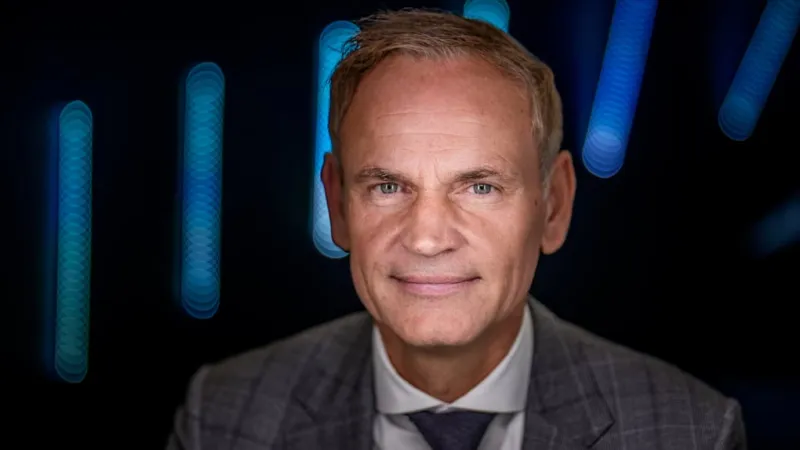
WOLFSBURG – Volkswagen Group CEO Oliver Blume finds his leadership under intense scrutiny following the reported failure of his initial, crucial cost-cutting program. The ambitious initiative, designed to streamline operations and bolster profitability, has reportedly stumbled, placing Blume's future at the helm of the automotive giant in serious jeopardy. Industry observers suggest that time is rapidly expiring for the chief executive to reverse the company's trajectory and secure the vital cooperation of its powerful works council.
The savings program, a cornerstone of Blume's strategy to navigate Volkswagen through a challenging global automotive landscape, was intended to yield significant efficiencies across various divisions. However, internal assessments indicate that the targets set were either not met or encountered considerable resistance, particularly from employee representatives.
This setback represents more than just a programmatic failure; it is perceived as a direct challenge to Blume's authority and vision for the vast conglomerate. His ability to effectively manage stakeholder relations, especially with the influential works council, is now central to his continued tenure.
Supervisory board members and major shareholders are reportedly growing increasingly concerned. The pressure on Blume intensifies as Volkswagen confronts substantial investments in electric vehicle technology and software development, areas where cost efficiency is paramount for sustained competitiveness.
The works council, a formidable force within German corporate structures, holds significant sway over strategic decisions, particularly those impacting employment and working conditions. Their reluctance to endorse Blume's initial proposals suggests a fundamental disagreement over the program's scope, methodology, or perceived impact on the workforce.
Analysts emphasize that the automotive industry currently operates in a climate of heightened economic uncertainty. Companies like Volkswagen must demonstrate agility and fiscal discipline to adapt to evolving consumer demands and regulatory pressures. Broader economic concerns within Germany, such as discussions surrounding energy costs and industrial competitiveness, further complicate the environment for major manufacturers. For instance, recent deliberations saw Germany block a fuel price cap amid wider economic warnings, reflecting the cautious approach to fiscal interventions in the current climate.
Previous attempts at comprehensive restructuring within Volkswagen have often faced similar hurdles, underscoring the complex interplay between corporate leadership, labor representatives, and political considerations inherent in the German industrial model. The sheer scale of Volkswagen, encompassing numerous brands and global operations, adds layers of complexity to any cost-reduction effort.
Blume's task is not merely to identify areas for cost reduction but to forge a consensus that ensures long-term viability without alienating a critical part of the company's foundation. His challenge now involves crafting a revised strategy that addresses past shortcomings and genuinely engages the works council in a constructive dialogue.
The coming months are anticipated to be decisive for Blume. A failure to present a credible, executable plan that gains the necessary internal approvals could precipitate a leadership change, signaling a significant shift in direction for one of the world's largest carmakers.
Sources close to the company indicate that a renewed effort will focus on transparent communication and a more collaborative approach to identify sustainable savings. The imperative is not simply to cut costs but to optimize processes and reallocate resources effectively to future-proof the company.
This situation underscores a broader trend in German industry, where the balance between capital interests and labor representation often dictates the pace and nature of corporate transformation. Volkswagen's ability to navigate this internal challenge will serve as a bellwether for its future global standing in the fiercely competitive automotive sector.
The stakes are exceptionally high. For Oliver Blume, the successful execution of a revised savings strategy is not just about financial performance; it is fundamentally about his professional survival and the continued stability of the Volkswagen Group as it confronts the next generation of automotive challenges.