 Angel Doris
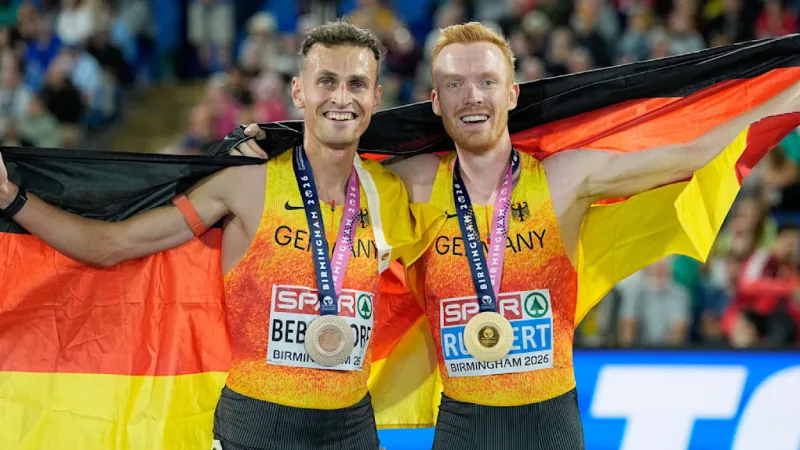
German athletics has achieved its most significant European Championship performance in 28 years, a resurgence that signals renewed optimism for the national team just two years before the 2028 Los Angeles Olympic Games. This remarkable display by German athletes, marked by a substantial medal haul and promising individual achievements, underscores a potential turning point for the sport within the nation.
The recent European Championships saw Germany's track and field contingent secure their strongest collective result since 1998, fostering considerable excitement within the sport. This impressive showing has sparked discussions about Germany's potential to once again contend for top honors on the global stage.
A cadre of emerging talents proved pivotal in this success, demonstrating significant improvements and breaking personal bests across various disciplines. These athletes are now viewed as the bedrock for Germany's ambitions at the upcoming World Championships next year and the highly anticipated 2028 Los Angeles Olympics.
Despite the celebratory mood, observers caution that the path to Olympic glory will be fraught with challenges. The global competitive landscape in athletics is notoriously fierce, and stronger opponents from nations worldwide await German athletes at major international events.
Germany has a rich history in athletics, producing numerous Olympic and World Champions over the decades. However, the last quarter-century has seen a relative decline compared to its golden eras, making this recent European triumph particularly poignant.
While specific individual names were not detailed in the initial reports, the broad success across disciplines suggests a holistic improvement in training methodologies and talent identification. Sprint, jump, and throw events likely contributed significantly to the overall medal tally.
Sports officials and coaching staff are likely evaluating this performance with a blend of pride and strategic planning. The focus will undoubtedly shift towards optimizing training regimes and competitive schedules to prepare these rising stars for the increased intensity of global competitions.
The public reaction to the European Championship results has been overwhelmingly positive, reigniting enthusiasm for German track and field. Increased media attention and fan engagement are expected to follow, boosting the profile of individual athletes and the sport as a whole.
This continental achievement positions Germany among other European nations experiencing sports revivals, such as Italy, whose athletes have recently demonstrated impressive dominance in aquatics and track events, including multiple European golds. For example, Italy secured double European gold with Iapichino and their 4x400 relay team.
The German Athletics Federation will face the task of sustaining this momentum. Developing long-term strategies for athlete support, funding, and talent development will be crucial to converting European success into consistent global competitiveness, especially with the 2028 Los Angeles Games on the horizon.
A strong performance at the Olympics can also bring economic benefits through sponsorships and increased public funding for sports programs. The current success could attract new investment into German athletics, further bolstering its infrastructure.
This resurgence extends beyond mere medal counts; it fosters national pride and inspires a new generation of aspiring athletes. The improved visibility and success are vital for encouraging youth participation in track and field nationwide.
The 2028 Los Angeles Olympics will serve as the ultimate proving ground for this rejuvenated German squad. The intervening years will be a critical period for fine-tuning performances and building the mental fortitude required to compete against the world's elite.
While the challenges are undeniable, the spirit of German athletics has clearly been rekindled. The impressive European Championship showing provides a robust foundation, and with careful nurturing, the nation aims to leave a lasting mark on the global stage in 2028 and beyond.