 Chandra Wijayanto
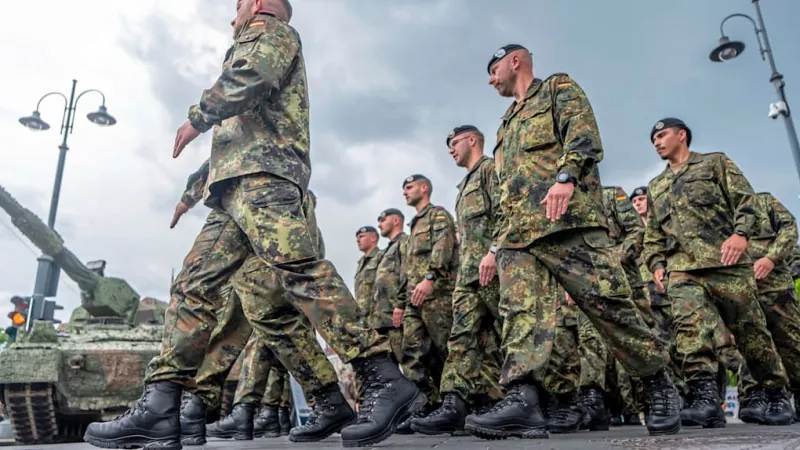
Berlin, Germany's armed forces, the Bundeswehr, has recorded a significant upsurge in applications for military service and new recruitments, signaling a renewed public interest in national defense. This notable increase coincides with a high return rate for its modernized military registration system, reflecting evolving societal attitudes toward service and security in an increasingly complex geopolitical landscape.
The German Ministry of Defense confirmed the substantial growth in prospective personnel, without providing specific figures at this juncture. This trend marks a critical development for the Bundeswehr, which has actively sought to bolster its ranks and address long-standing recruitment challenges.
Central to this surge is the implementation of a new Wehrerfassung or military registration process. This system aims to provide a comprehensive overview of eligible young citizens, facilitating a more targeted approach to recruitment and potentially laying groundwork for future defense policies. The high compliance rate underscores a shift in public engagement with defense obligations.
The revamped registration system allows the military to better identify individuals with potential interest or suitability for various roles within the armed forces, from specialized technical positions to combat roles. This proactive data collection is a cornerstone of Germany's efforts to enhance its military readiness and personnel planning.
Analysts suggest that the current global security environment, marked by ongoing conflicts and heightened international tensions, likely contributes to this heightened interest in military service. The perception of a more unstable world could be prompting younger generations to consider roles in national defense more seriously.
Germany, as a key member of NATO and a significant European power, has faced increasing pressure to strengthen its military capabilities and commitment to collective security. Discussions within the alliance frequently underscore the need for member states to meet defense spending targets and maintain robust armed forces. Meloni Urges Stronger European NATO Role Ahead of Crucial Summit, highlighting the broader European conversation around defense.
Beyond recruitment, the Bundeswehr has also embarked on extensive modernization programs, investing in new equipment, technology, and training methodologies. These initiatives are designed to make military service more appealing and to ensure Germany's armed forces remain competitive and effective.
The influx of applications and new recruits is vital for Germany's long-term goal of increasing its active personnel strength. The Bundeswehr has outlined ambitious targets to expand its numbers, recognizing that a strong and well-staffed military is indispensable for national security and international responsibilities.
Historically, the Bundeswehr has contended with declining interest and difficulties in attracting sufficient numbers of qualified recruits, particularly since the suspension of compulsory military service in 2011. This recent turnaround represents a significant departure from previous trends.
Experts also point to potential societal factors, such as economic conditions or a heightened sense of civic duty, that might be influencing individuals to consider military careers. The comprehensive benefits packages and career development opportunities offered by the Bundeswehr could also be drawing attention.
The sustained momentum in Bundeswehr applications will be closely monitored as Germany continues to adapt its defense posture to contemporary challenges. The success of the new registration system and ongoing recruitment drives will be crucial in shaping the future capabilities of the German military.
The trend in Germany mirrors broader discussions across Europe regarding military preparedness and recruitment strategies. As nations reassess their defense needs, ensuring a robust and willing pool of personnel remains a top priority.