 Stefani Rindus
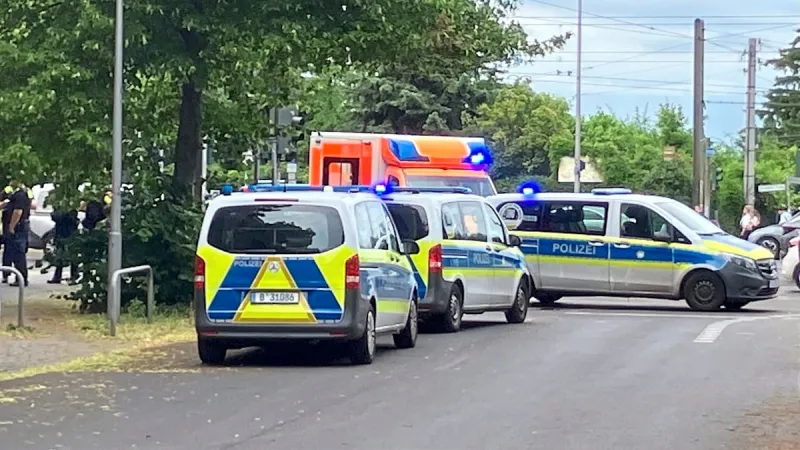
A disturbing trend is emerging across Europe this summer as public swimming facilities and open-air bathing lakes report a marked increase in violent confrontations, mass brawls, and sexual assaults. What should be spaces of leisure and respite are frequently becoming scenes of chaos and concern, transforming routine visits into daunting experiences for many.
This widespread escalation of unrest is intrinsically linked to the persistently high temperatures gripping the continent. Prolonged heatwaves often exacerbate social tensions, leading to frayed nerves and a higher propensity for conflict among large crowds seeking relief in popular aquatic venues.
Authorities across multiple nations are grappling with the challenge of maintaining order. Incidents range from minor altercations quickly spiraling into larger brawls to reports of harassment and serious sexual offenses, prompting calls for more robust security measures.
Public safety officials acknowledge the complex interplay of factors contributing to this phenomenon. Overcrowding, inadequate supervision, and a diminishing sense of personal responsibility are frequently cited as catalysts for the breakdown of decorum in these shared spaces.
For families and individuals seeking refuge from the heat, the escalating violence casts a shadow over traditional summer pastimes. Many are reconsidering visits to public pools, citing fears for their personal safety and the well-being of their children.
Local municipalities face mounting pressure to implement effective strategies. Discussions are underway regarding increased police presence, enhanced surveillance technologies, and stricter entry regulations to curb the disruptive behavior.
Some operators have already introduced new protocols, including limitations on entry numbers, designated family zones, and expedited removal procedures for individuals engaged in violent or inappropriate conduct. These measures aim to restore a sense of security for law-abiding patrons.
The broader societal implications of this trend are significant. Public pools traditionally serve as vital community hubs, offering affordable recreational opportunities and fostering social cohesion. Their transformation into arenas of conflict threatens to undermine these essential roles.
Experts suggest that addressing the root causes of this unrest requires a multi-faceted approach beyond mere security enhancements. Public awareness campaigns promoting respectful behavior and community engagement initiatives are seen as crucial complements to stricter enforcement.
Ultimately, the challenge lies in balancing accessibility with safety. European cities are now tasked with innovating solutions that can preserve the joy and communal benefit of public swimming facilities while ensuring they remain secure and welcoming for everyone.