 Angela Stefani
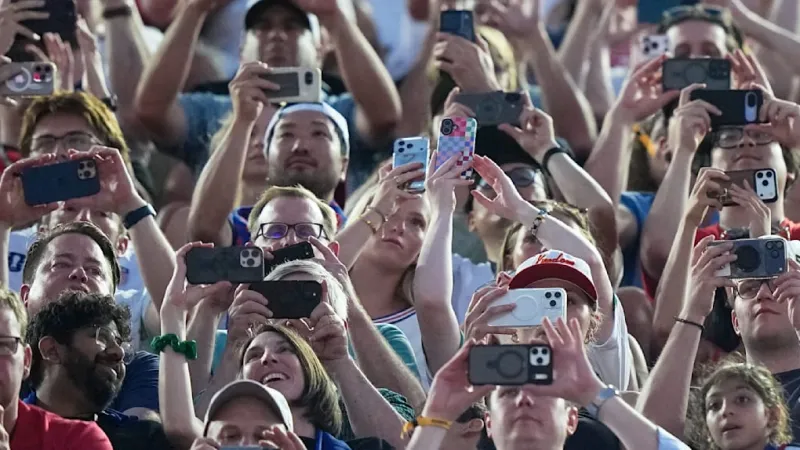
BERLIN – A burgeoning conflict is unfolding across German football stadiums where content creators, often social media influencers, face intensifying scrutiny and pressure over unauthorized commercial recordings, sparking concerns among traditional broadcasters regarding their multi-million-euro rights deals and disrupting the fundamental fan experience.
This escalating dispute highlights the collision between the burgeoning digital media landscape and established sports broadcasting paradigms. For years, European football leagues, including Germany's Bundesliga, have relied heavily on exclusive television and streaming rights to generate significant revenue, which in turn supports clubs and youth academies.
Stadium operators and league officials are increasingly vocal about the financial implications. The substantial sums paid by media companies for live broadcast rights are jeopardized when individuals produce and distribute commercial-grade content from within venues without permission, effectively circumventing the established economic model.
Broadcasting partners, who invest colossal sums to secure exclusive rights, view unauthorized commercial filming as a direct threat to their business. Their contracts often stipulate strict exclusivity clauses, designed to protect their investment and ensure their content remains premium and distinct from freely available, user-generated material.
The core of the issue extends beyond economics, impacting the atmosphere for matchday attendees. Many fans report feeling disturbed by influencers setting up recording equipment, staging elaborate shots, or drawing undue attention to themselves rather than focusing on the game. This intrusion detracts from the shared collective experience intrinsic to live sporting events.
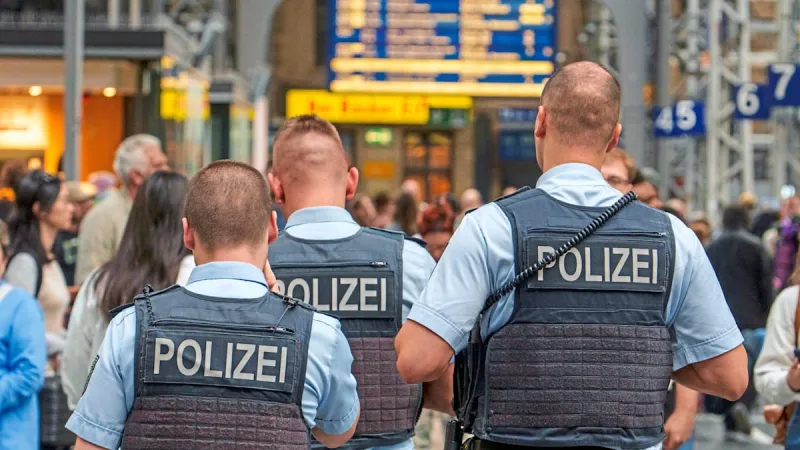
Stadium managements are now implementing stricter regulations. Measures range from clearer signage prohibiting commercial recordings to increased security presence tasked with identifying and addressing offenders. Some venues are reportedly considering more stringent entry conditions to curb the issue at its source.
Similar challenges have emerged in other public venues grappling with evolving digital ethics. For instance, a German amusement park recently battled a different kind of filming scourge, employing protective gear and legal action, underscoring a broader societal need for boundaries in content creation within private spaces.
The proliferation of high-quality mobile phone cameras and readily available editing software means virtually anyone can produce professional-looking content. This technological accessibility blurs the line between personal mementoes and commercially viable material, complicating enforcement efforts.
Clubs and leagues find themselves in a delicate position, balancing the desire to engage with modern digital audiences through official channels with the necessity of protecting their primary revenue streams. The influencer economy, while powerful, must integrate respectfully within existing frameworks.
Experts suggest that a multi-pronged approach will be necessary, combining clearer communication of rules, robust enforcement, and potentially exploring new models for digital content creation that could include licensing agreements or designated content zones for approved creators.
The global trend suggests that this confrontation is not unique to Germany. Sports organizations worldwide are grappling with how to manage user-generated content in an era where everyone carries a broadcast studio in their pocket. The outcome of this dispute in German football stadiums could set precedents for other leagues and events internationally.
Ultimately, the discussion centers on who profits from the spectacle of live football and how the integrity of both the matchday experience and the broadcasting industry can be upheld against the backdrop of rapidly changing media consumption habits.