 Angela Stefani
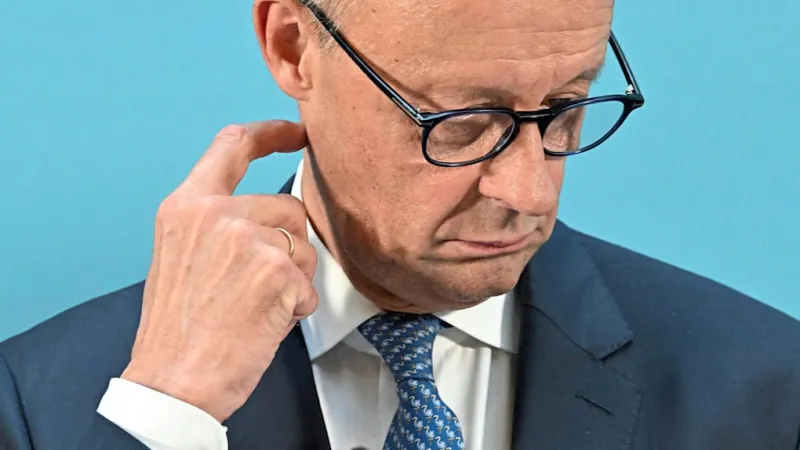
A significant political confrontation is brewing in Germany as seven of the nation's 16 federal state premiers have unequivocally declared their opposition to the abolition of the popular Rente mit 63 early retirement scheme. This collective stance is intensifying pressure on Chancellor Merz and his administration, pushing the country closer to a potential legislative standoff within the Bundesrat, Germany's Federal Council, in 2026.
At the heart of the burgeoning dispute lies the Rente mit 63, a provision allowing eligible individuals to retire earlier than the standard age of 67, typically after 45 years of contributions. Introduced more than a decade ago, it was designed to acknowledge the long-term dedication of workers, particularly those in physically demanding professions, offering a pathway to retirement without significant deductions.
Proponents for its abolition frequently cite mounting economic pressures. Germany's aging population and declining birth rates are placing an increasing strain on the statutory pension system, raising concerns about its long-term financial sustainability. Critics argue that allowing early retirement exacerbates labor shortages and reduces the contributor base, thereby placing an undue burden on younger generations and the national budget.
Conversely, those advocating for the retention of the Rente mit 63 underscore principles of social fairness and the protection of workers. They contend that the scheme provides a vital safety net for individuals who have dedicated decades to the workforce, often in arduous roles, and deserve the option of earlier retirement without severe financial penalties. Many see its continued existence as a matter of earned social justice.
The Bundesrat, comprising representatives from the 16 federal states, plays a crucial role in Germany's legislative process, possessing the power to veto laws that affect the states' competencies or finances. With seven states now aligned in opposition, only a few more votes are needed to form a blocking minority, which could effectively halt any federal attempts to dismantle the early retirement provision.
Chancellor Merz and his government face a delicate balancing act. While acknowledging the need for fiscal prudence and long-term economic stability, they must also navigate the deeply entrenched social expectations and political sensitivities surrounding pension reform. Pushing for abolition without broad consensus risks significant political fallout.
The debate over the Rente mit 63 is not an isolated issue but rather a chapter in Germany's ongoing struggle with comprehensive pension reform. Previous discussions have frequently polarized political parties, with varying proposals often met with strong resistance from different factions. For a deeper understanding of these divisions, consider the complexities highlighted in the article “German Pension Reform Divides Parties: SPD Cries Injustice, FDP Warns of Kuhhandel.”
Such reforms have historically tested the cohesion of governing coalitions and revealed deep ideological rifts between those prioritizing economic austerity and those championing social welfare. The current configuration of opposition within the Bundesrat suggests that Chancellor Merz will require considerable diplomatic skill to forge a compromise, should his administration press for changes.
The implications for elderly workers are significant. The uncertainty surrounding the Rente mit 63 affects retirement planning for millions, potentially forcing many to reconsider their career trajectories or financial preparedness for later life. A shift in policy could disrupt long-held expectations about post-work life.
Economists have long debated the precise impact of early retirement schemes on the national labor market and overall productivity. While some argue that it creates openings for younger workers, others contend it leads to a loss of experienced talent and contributes to skilled labor shortages, particularly in an economy grappling with demographic challenges.
Public opinion on the matter is typically varied, often reflecting individual circumstances and political leanings. While some surveys indicate a desire to protect established social benefits, others highlight a growing recognition of the need for structural reforms to ensure the long-term viability of the pension system for future generations.
The political stakes are exceptionally high for Chancellor Merz. A successful navigation of this contentious issue could strengthen his leadership; however, a failed attempt or a perceived heavy-handed approach could undermine his authority and potentially destabilize his government's agenda, particularly in the lead-up to future elections.
Ultimately, the confrontation over the Rente mit 63 underscores a broader challenge facing many industrialized nations: how to maintain robust social security systems in the face of demographic shifts and economic realities. Germany's approach to this specific debate may well set precedents for other countries wrestling with similar dilemmas, shaping the future of retirement for decades to come.
As the debate intensifies, the coming weeks will reveal whether Chancellor Merz can bridge the divide with the dissenting federal states or if the Rente mit 63 will indeed become a significant legislative hurdle, demanding a broader political solution that transcends current party lines.