 Robert Andrison
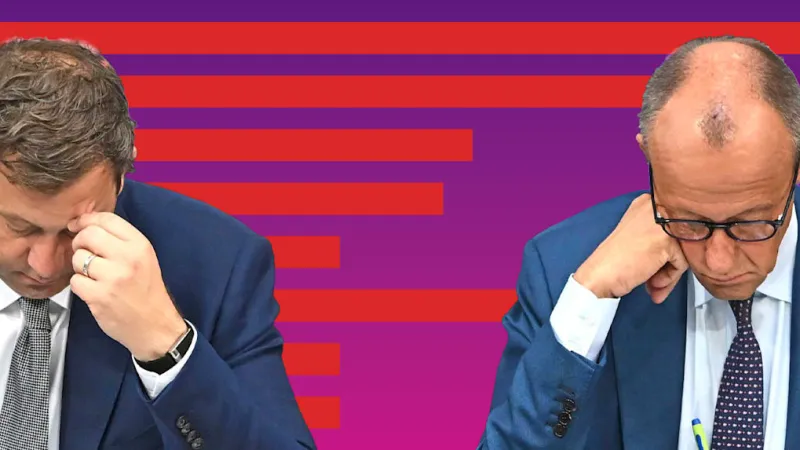
A recent Forsa survey reveals that public discontent with politicians and political parties in Germany has reached an unprecedented peak, with a staggering one in two citizens now identifying their actions as a paramount national problem. This significant finding underscores a growing chasm between the electorate and its representatives, marking a critical moment in the nation's political discourse.
The poll indicates this level of frustration is the highest recorded in the survey's history, signaling a deep-seated dissatisfaction with the current state of governance. For decades, Germans have expressed concerns over various policy areas, but the direct indictment of political actors themselves now stands out as the most pervasive sentiment.
However, the Forsa report also highlights an even more pressing concern for the German populace. While political performance elicits widespread exasperation, another fundamental issue continues to overshadow it in the public's hierarchy of national problems.
This paramount concern, often closely linked to governmental stability and public welfare, remains the nation's economic outlook and persistent inflation. The rising cost of living, energy prices, and the broader economic climate continue to weigh heavily on households, frequently perceived as a more immediate threat than political dysfunction alone.
The public's frustration with politicians is inherently tied to their perceived inability to effectively address these pressing economic challenges. Policies perceived as inadequate or counterproductive to economic stability directly fuel the widespread disillusionment now evident across the country.
The current coalition government, often referred to as the Ampelkoalition, has faced sustained criticism over its handling of multiple crises, from energy security to fiscal policy. These internal struggles and perceived policy missteps contribute significantly to the erosion of public trust.
Recent debates surrounding fiscal adjustments, such as proposals for a German VAT hike or the contentious tax plan advanced by figures like Christian Lindner or Wolfgang Kubicki, have further exacerbated internal coalition feuds. These public disagreements amplify the perception of a government at odds with itself and detached from the daily realities of its citizens.
This climate of pervasive discontent presents a formidable challenge for Germany's established political parties. The mainstream parties, historically pillars of stability, are struggling to regain voter confidence amidst a landscape increasingly marked by cynicism and a yearning for tangible solutions.
The burgeoning frustration is concurrently fostering a fertile ground for alternative political movements. Parties like Sahra Wagenknecht's BSW and the Alternative for Germany (AfD) have capitalized on this widespread dissatisfaction, presenting themselves as outsiders capable of disrupting the perceived political inertia.
Political analysts suggest that without a concerted effort from the ruling parties to demonstrate responsiveness and effective problem-solving, this record-high political frustration could solidify into long-term political realignment. The risk of voter apathy or a sustained shift towards protest votes looms large.
Beyond electoral consequences, a sustained decline in trust towards political institutions can undermine the very fabric of democratic governance. Citizens who feel unheard or poorly represented may become less engaged, potentially leading to social fragmentation and increased polarization.
For Germany's political leaders, the Forsa survey serves as an urgent call to action. Addressing the root causes of economic insecurity and demonstrating clear, unified governance are imperative steps to mitigate the unprecedented levels of public disenchantment and restore confidence in the political system.