 Angel Doris
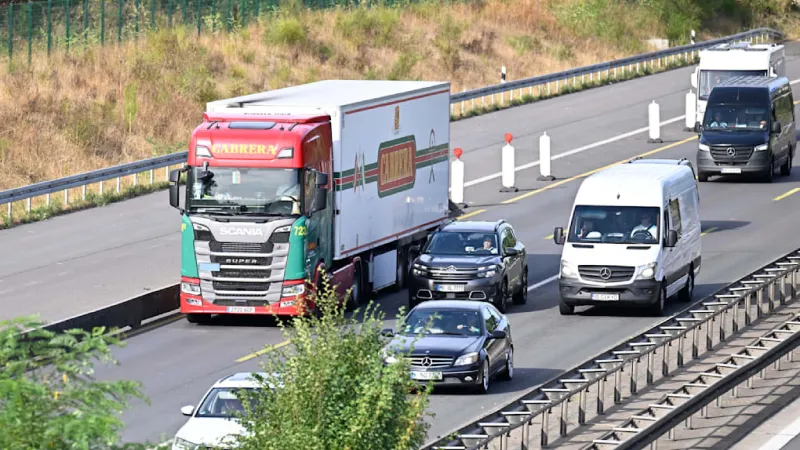
BERLIN – Three German federal states, Baden-Wurttemberg, Bavaria, and Mecklenburg-Western Pomerania, have temporarily suspended Sunday and public holiday truck driving bans in a decisive move to counter the burgeoning crisis posed by critically low water levels on the Rhine River. The exceptional measure, enacted immediately, aims to safeguard vital supply chains as the crucial waterway approaches a potential shutdown for commercial shipping near the choke point of Kaub.
The decision by these regional governments underscores the severity of the current hydrological conditions impacting Germany's economy. These temporary relaxations of Lkw-Fahrverbote, or heavy goods vehicle restrictions, will allow freight carriers to utilize roadways more extensively, thereby alleviating some pressure on logistics networks accustomed to river transport.
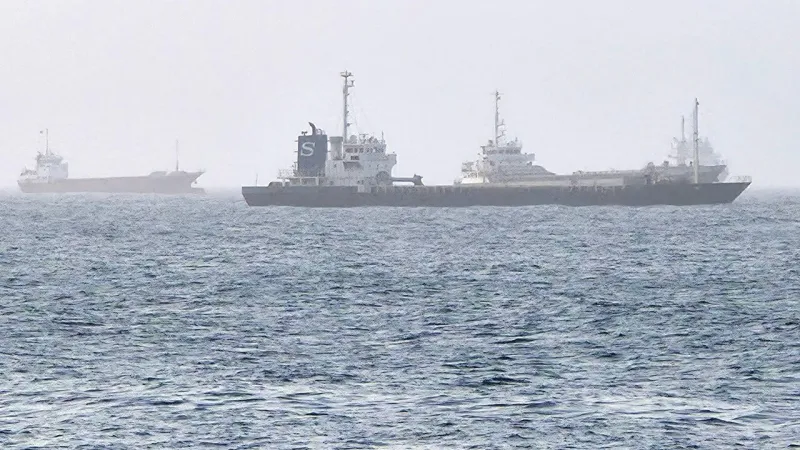
Authorities project that the Rhine, a pivotal artery for European freight, could soon become impassable at Kaub, a shallow point between Mainz and Bonn, for many larger cargo vessels. This impending navigational impediment threatens to sever a lifeline for industries reliant on the cost-effective and environmentally favorable movement of goods by barge.
The Rhine transports an array of critical commodities, including coal, grains, chemicals, and oil products, to industrial centers throughout Germany and neighboring nations. Its reduced navigability forces transporters to load barges only partially, dramatically increasing transport costs and the number of vessels required for the same volume of cargo.
Industry observers highlight that this situation echoes similar crises experienced in recent years, particularly in 2018 and 2022, when extreme drought conditions severely curtailed river traffic. These recurring events underscore the escalating impact of climate change on central European infrastructure and economic stability.
The extended periods of unusually warm weather and minimal rainfall across Western Europe have contributed significantly to the dwindling water levels. Record-breaking temperatures have been observed across the continent, with scientific reports from organizations like Copernicus detailing how Global Oceans Shatter Temperature Records in July 2026 and Western Europe Sees Hottest June-July, exacerbating drought conditions.
While the federal government has yet to announce a coordinated national response, the unilateral actions by Baden-Wurttemberg, Bavaria, and Mecklenburg-Western Pomerania indicate the urgency felt at the state level. These measures aim to prevent widespread production halts and consumer goods shortages that could arise from disrupted supply chains.
The activation of these road freight alternatives introduces new logistical challenges. An increase in heavy truck traffic on German highways will strain infrastructure and potentially lead to increased congestion and delays. This shift also places additional burdens on truck drivers and transport companies already grappling with labor shortages and rising fuel costs.
The reliance on road transport, though a necessary contingency, often proves less efficient and more carbon-intensive than river shipping. Discussions about optimizing alternative freight methods, such as rail, frequently arise during such crises. However, the German rail system itself faces scrutiny for its own challenges, as highlighted by reports like Germany's Transport Minister Finds Rail System Flaws on Inaugural Trip.
For energy providers, the Rhine crisis is particularly acute. Power plants often depend on barge deliveries of coal and other fuels. Prolonged disruptions could necessitate costly alternative sourcing or even force temporary operational reductions, potentially impacting Germany's energy security during a period of geopolitical instability.
Businesses are already adapting by exploring diverse logistical strategies, including increased warehousing closer to industrial hubs and investing in more resilient transport fleets. The ongoing debate around sustainable transport solutions, including the growing viability of Electric Trucks Now Outperform Diesel, also gains renewed relevance in times of such infrastructure vulnerability.
The immediate future hinges on significant rainfall in the Rhine catchment area. Meteorologists are closely monitoring weather patterns, but no substantial precipitation is currently forecasted that would significantly raise water levels in the short term. The long-term implications necessitate a strategic reassessment of inland waterway management and climate adaptation measures.