Gabriella
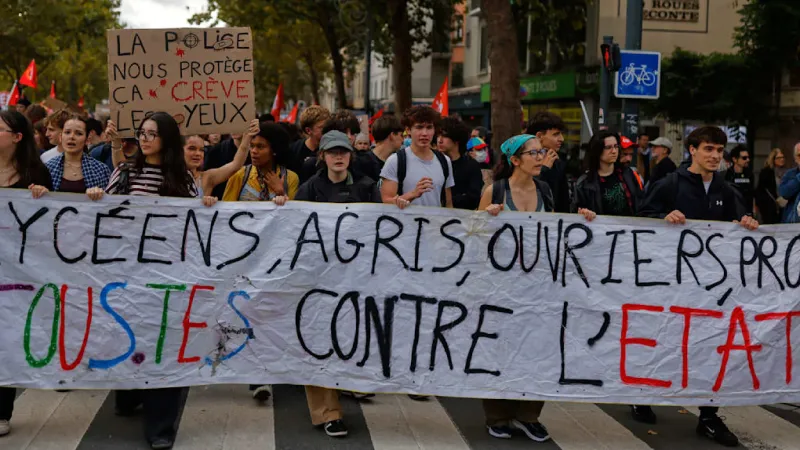
More than 5,000 young people have made online commitments to participate in a large-scale protest scheduled for the upcoming weekend in Magdeburg, Germany, signaling broad discontent over national conscription policies, escalating living costs, and substantial cuts to education funding. This wave of online mobilization underscores a deepening generational frustration with current government priorities.
The protest coalesces around three primary grievances that resonate deeply with younger demographics across Germany. Opposition to the reintroduction of conscription, a policy many view as an antiquated burden, forms a significant plank of their activism. Simultaneously, the persistent rise in daily expenses, from food to housing, has eroded purchasing power and heightened economic anxiety.
Further fueling the unrest are perceived government shortfalls in education policy, characterized by budget reductions that threaten academic quality and future opportunities. These cuts are seen by student bodies and youth advocates as detrimental to long-term societal progress and individual career prospects.
Germany suspended compulsory military service in 2011, but recent geopolitical shifts and debates surrounding national security have prompted renewed discussions about its potential reintroduction. Proponents argue for bolstering defense capabilities, while opponents, particularly the youth, argue it infringes on personal liberties and diverts resources from crucial social services.
The spiraling cost of living has become a national concern, exacerbated by inflationary pressures and energy price volatility. For young people, many of whom are entering the workforce or pursuing higher education, these economic realities translate into reduced disposable income and increased financial insecurity. Policies aimed at alleviating these burdens have often been criticized as insufficient. This sentiment echoes ongoing debates, such as those surrounding the impact of Germany's Citizen Income Reform: Millions Saved, Billions Missed, highlighting the complexity of fiscal management.
Cuts to education funding manifest in various ways, from reduced teaching staff and fewer course offerings to decaying infrastructure in schools and universities. Students fear these measures will compromise the quality of their education, diminish research capabilities, and ultimately hinder Germany's competitive edge on the global stage.
The online commitment of over 5,000 individuals represents a significant digital footprint, suggesting a strong likelihood of a substantial physical turnout in Magdeburg. Organizers, relying heavily on social media platforms, aim to amplify their collective voice and pressure policymakers to reconsider existing directives.
This burgeoning youth movement emerges within a complex German political landscape. The governing coalition faces scrutiny over its handling of economic challenges and social policy, while opposition parties frequently critique its approach. Discussions around fiscal responsibility and national priorities are central to current parliamentary debates. For instance, the CDU has warned against the potential consequences of a left-leaning alliance, citing concerns over tax hikes and security risks, reflecting the broader ideological divides at play.
Historically, youth activism has played a pivotal role in shaping German and European society, from student movements in the 1960s to environmental protests in recent decades. The Magdeburg demonstration aligns with this tradition, demonstrating a renewed willingness among younger generations to engage directly with political issues affecting their future.
The impending protest serves as a crucial barometer of public sentiment, particularly among a demographic often perceived as politically disengaged. A strong turnout could force government officials to re-evaluate their positions on conscription, introduce more robust economic relief measures, or allocate additional resources to the education sector.
Government officials will likely monitor the Magdeburg protest closely. The challenge lies in balancing fiscal constraints and national security imperatives with the legitimate concerns of a vocal and growing segment of the population. Ignoring these grievances could risk further alienation and broader social unrest.
Should the protest achieve its desired scale, it could galvanize similar demonstrations in other German cities, creating a sustained national dialogue around these contentious issues. The outcome of this weekend's events in Magdeburg may well set a precedent for future youth engagement in the nation's political discourse.