 Angela Stefani
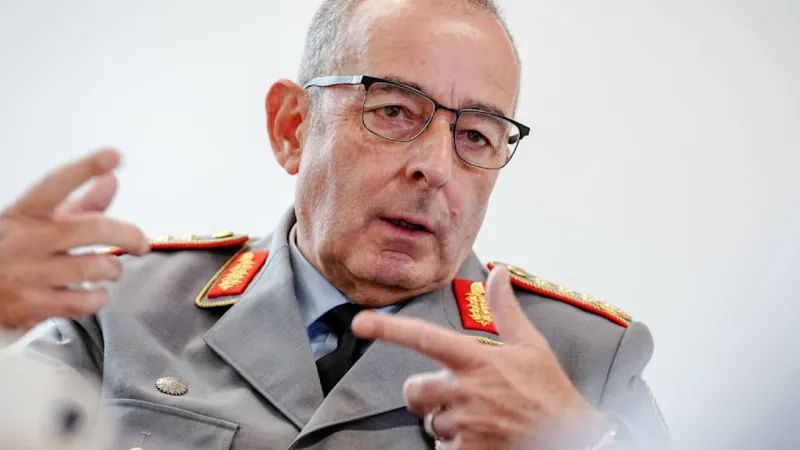
BRUSSELS – German General Inspector Carsten Breuer is slated to assume the prestigious chairmanship of the NATO Military Committee in 2027, positioning him as the alliance's most critical military advisor to the NATO Secretary General. This significant appointment elevates German military leadership to a pivotal role within the North Atlantic Treaty Organization, underscoring Berlin's growing influence in international security affairs.
The NATO Military Committee represents the highest military authority within the alliance, providing guidance and advice to the North Atlantic Council, NATO's principal political decision-making body. Its chairman is crucial in shaping strategic military policy, fostering interoperability among member states, and ensuring the effective execution of NATO operations and missions.
General Breuer, currently Germany's highest-ranking soldier, will bring decades of distinguished service and strategic acumen to the role. His extensive experience in various command and staff positions within the Bundeswehr, the German armed forces, has prepared him for the complex challenges facing the transatlantic alliance.
The appointment comes at a critical juncture for NATO. The alliance continues to navigate complex geopolitical landscapes, including ongoing tensions in Eastern Europe and the broader implications of global security shifts. The role of the NATO Military Committee chairman is more vital than ever in coordinating defense efforts and adapting to emerging threats.
As the principal military advisor, General Breuer will be instrumental in bridging the gap between political directives and military realities. He will be responsible for communicating the consensus of the NATO Military Committee to the Secretary General, ensuring that military perspectives are thoroughly integrated into the alliances strategic planning.
Germany's commitment to NATO has been a cornerstone of its foreign and security policy since the alliances inception. This appointment reaffirms Germany's dedication to collective defense and its willingness to assume greater responsibility within the international security architecture. It also reflects confidence in German military professionalism and strategic thinking.
The selection process for the NATO Military Committee chairman involves a vote among the chiefs of defense of all NATO member countries. The position typically rotates among different nations, reflecting the inclusive nature of the alliances leadership structure.
General Breuer's tenure will begin amidst a period of considerable military modernization and strategic recalibration across NATO member states. The need for coordinated defense investments and enhanced readiness remains a top priority, particularly in light of evolving security challenges that demand a unified response.
His leadership will be vital in guiding discussions on force posture, deterrence strategies, and the integration of new technologies into NATOs defensive capabilities. The chairman plays a key role in ensuring that the alliances military forces are prepared for any contingency.
Observers note that the appointment reflects a broader trend of Germany stepping into more prominent leadership roles on the global stage, especially concerning European security. This elevation comes as European nations are increasingly re-evaluating their defense spending and capabilities, prompted by current geopolitical dynamics.
With President Donald Trump in the White House in 2026, the transatlantic relationship continues to be a subject of intense focus. The role of the NATO Military Committee chairman gains added significance in fostering robust military cooperation and maintaining alliance cohesion amidst differing national priorities. Indeed, concerns about geopolitical stability, particularly regarding Russia, underscore the need for strong NATO leadership. For example, President Trump's administration has previously sanctioned Moscow, as detailed in reports like President Trump Sanctions Moscow; Ukraine Seeks Billions Amid Cyberattack, highlighting persistent tensions.
General Breuer's leadership will be crucial in translating the alliances strategic concept into actionable military plans and ensuring that NATO maintains its credible deterrence posture. He will undoubtedly face the task of balancing diverse national interests while upholding the core principles of collective defense.
The transition period leading up to 2027 will involve extensive coordination with the current chairman and the incoming team, ensuring a seamless handover of responsibilities. This continuity is paramount for the stability and operational effectiveness of the NATO Military Committee.
The appointment serves as a testament to General Breuer's exemplary career and his standing among his peers in the international military community. His deep understanding of alliance structures and defense policy will be an invaluable asset.
As NATO prepares for future challenges, the selection of General Breuer underscores the organizations commitment to dynamic and experienced leadership. His strategic foresight will be essential in guiding the alliance through an increasingly complex security environment and bolstering its collective defense capabilities. This appointment further solidifies Germany's strategic importance within the broader European defense framework, a subject frequently debated in continental politics, as shown by discussions such as Le Pen Rejects Russian Dictate, Affirms French Sovereignty in Ukraine, which touches upon European responses to external pressures.