Angel Doris
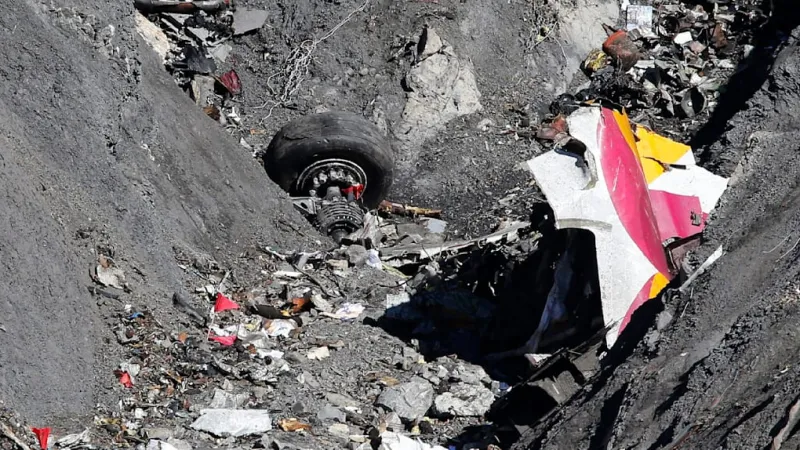
BERLIN – A German court has rejected a long-standing claim by relatives of the 2015 Germanwings Flight 9525 crash victims for additional pain and suffering compensation from the German government. The ruling, delivered this week, maintains that the Bundesrepublik Deutschland bears no further financial liability beyond previously awarded damages for the catastrophic incident, which saw co-pilot Andreas Lubitz deliberately steer the Airbus A320 into the French Alps, killing all 150 people aboard.
The tragedy, which unfolded on March 24, 2015, shocked the world and ignited widespread debate about aviation safety protocols and pilot mental health screenings. Lubitz, who had a history of severe depression, intentionally crashed the aircraft en route from Barcelona to Dusseldorf, leading to the deaths of passengers and crew from multiple nations, predominantly German and Spanish citizens.
Following the devastating event, Lufthansa, Germanwings parent company, provided significant compensation packages to the victims families, including immediate aid and long-term financial support. These settlements aimed to cover material damages, funeral costs, and initial emotional distress. However, a segment of the bereaved families pursued further legal avenues, contending that the initial compensation was insufficient to address the profound and enduring suffering they experienced.
The recent litigation specifically targeted the German federal government, alleging that state authorities, particularly aviation regulators, bore some responsibility for perceived shortcomings in oversight that might have prevented the tragedy. Plaintiffs argued that stricter psychological evaluations or more robust reporting mechanisms for pilots mental health issues could have averted the disaster. Their claim sought additional pain and suffering damages beyond what had been disbursed by Lufthansa.
Sources close to the judicial proceedings indicate that the court found insufficient grounds to establish additional state liability. The judgment likely reiterated that primary responsibility for the crash lay with the co-pilot and, to some extent, the airline for its employment and medical supervision practices. The court emphasized that the states regulatory function, while crucial, did not equate to direct operational control or a guarantor against individual malicious acts.
Legal experts observed that claims against national governments in such circumstances often face an uphill battle. Establishing a direct causal link between government regulatory oversight and an individuals deliberate criminal act proves exceedingly difficult under German law. Courts typically assess whether the state acted negligently within its prescribed duties, a standard often not met when an event stems from a highly unusual and intentional act.
The Germanwings incident resonated globally, prompting airlines and regulatory bodies worldwide to re-evaluate psychological assessments for flight crews. Discussions around preventing similar catastrophic acts continue to shape aviation policy. Incidents involving pilot misconduct, such as the alarming FlyDubai copilot wielding an emergency axe against a pilot in the cockpit, underscore the persistent challenges in ensuring absolute safety and mental stability within the cockpit, even if those incidents differ vastly in severity and outcome.
For the victims families, the ruling represents another difficult chapter in their prolonged quest for justice and acknowledgment of their immense loss. Many have expressed a desire not just for financial redress but for a comprehensive understanding of all contributing factors and accountability from all entities perceived to have a role in the tragedy.
The emotional trauma endured by those who lost loved ones is immeasurable, and legal battles, even when unsuccessful, often serve as a means for families to channel their grief and advocate for systemic changes. While the courts decision concludes this particular legal avenue against the state, it does not diminish the profound impact of the 2015 Germanwings crash on countless lives.
This judicial outcome may set a precedent for similar claims in Germany regarding the limits of state liability in incidents involving private actors deliberate harmful actions. The aviation industry, however, continues to evolve its safety protocols, with ongoing research into improved psychological screening methods and support systems for pilots, aiming to prevent any recurrence of such a tragedy.