 Edward DP Situmorang
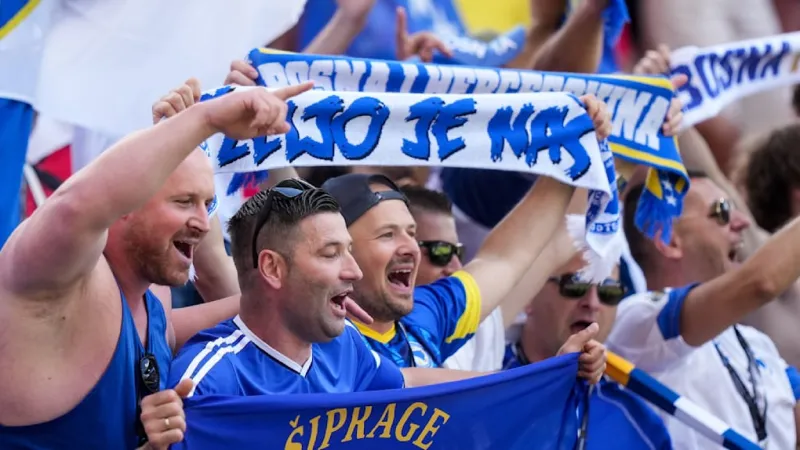
CANADA – The FIFA World Cup 2026 commenced with immediate controversy as two Bosnia fans, confirmed to be residents of Germany, were apprehended and formally charged following an alleged assault on police officers during their nation's opening match against Canada. This incident coincided with a diplomatic quandary involving Ghanaian midfielder Thomas Partey, who was reportedly denied entry into Canada, prompting the intervention of Ghana's Ministry of Foreign Affairs.
The arrests occurred amidst the fervor of the highly anticipated inaugural game for Bosnia, which saw an intense atmosphere both on and off the pitch. Authorities moved swiftly to detain the individuals, who now face legal proceedings related to the altercation with law enforcement personnel. The precise nature of the charges and the details surrounding the alleged assault remain under active investigation by Canadian authorities.
This early disruption casts a shadow over the initial days of the global football spectacle, highlighting the rigorous security measures and the challenges of managing immense international crowds. Such incidents underscore the complexities faced by host nations in maintaining public order while welcoming millions of visitors.
Simultaneously, the situation surrounding Ghanaian star Thomas Partey has escalated into a significant diplomatic issue. Partey, a pivotal player for the Black Stars, was reportedly barred from entering Canada, preventing his participation in Ghana's World Cup campaign. The reason for the denial of entry has not been publicly disclosed by Canadian officials, fueling speculation and concern within the football community.
In response, Ghana's Ministry of Foreign Affairs has formally engaged with Canadian diplomatic channels, seeking urgent clarification and a resolution to Partey's travel predicament. The Ministry is working to ascertain the circumstances of the denial and explore all avenues to facilitate the player's entry or understand the underlying legal or administrative impediments. This diplomatic engagement reflects the serious implications for national teams when key players face such unforeseen obstacles.
Such high-profile incidents are not isolated occurrences in the history of major international sporting events. Past World Cups have occasionally witnessed fan disturbances, security breaches, and travel complications for players, often leading to swift actions by local law enforcement and, at times, diplomatic entanglements.
Security preparations for World Cup 2026 have been extensive, given the multinational nature of the tournament and the vast numbers of fans traveling across borders. Despite these comprehensive plans, incidents like the alleged police assault by Bosnia fans demonstrate the unpredictable challenges that security forces must confront.
The legal ramifications for the arrested Bosnia fans could include fines, imprisonment, and potential deportation, depending on the severity of the charges and Canadian law. Their German residency may also trigger further diplomatic or legal coordination between Canada and Germany.
The denial of entry to an athlete of Partey's stature also raises questions about international travel regulations and potential inconsistencies in visa or entry requirements for participants in major global events. It prompts a broader discussion on ensuring seamless access for all accredited individuals during tournaments of this scale.
FIFA, the world governing body for football, is likely monitoring both situations closely, as they reflect on the overall integrity and smooth operation of the World Cup. While no official statement has been released regarding these specific events, the organization typically emphasizes sportsmanship and adherence to local laws by all participants and spectators.
The current atmosphere of the World Cup is a blend of fervent national pride and the imperative for respectful international conduct. Incidents such as these serve as a potent reminder of the responsibilities that accompany the privilege of participating in and attending a global sporting festival.
For the Bosnia national team, the arrests of their supporters could be a morale dampener, even as they focus on their performance on the field. Similarly, Ghana's team must contend with the unexpected absence of a crucial player, potentially impacting their strategic preparations and early tournament prospects. The broader context of the World Cup 2026, which has seen its share of discussions ranging from stadium readiness, as explored in “Hummels Dismayed: World Cup 2026 Stadiums Grand, Pitches Raise Concerns,” to various fan experiences like “German Fan Freddy Becomes US Social Media Sensation, Praises American Culture,” frames these events within a dynamic and often unpredictable global spectacle. The international stage amplifies every success and challenge, making diligent oversight crucial for a successful tournament.
The resolution of Partey's situation will likely involve intricate negotiations between the Ghanaian and Canadian governments, potentially setting precedents for future athlete travel during large-scale international competitions. The diplomatic efforts underscore the intersection of sports, politics, and international relations.
As the tournament progresses, the focus will undoubtedly return to the contests on the pitch, but these early incidents serve as a stark reminder of the multifaceted challenges inherent in organizing and participating in an event of the World Cup's magnitude. Ensuring both security and diplomatic clarity remains paramount for all host nations and participating countries.