 Dorry Archiles

A significant policy debate has emerged in Germany concerning the nation's approach to Syrian refugees, with prominent voices now advocating for a shift towards national self-interest after years of perceived unconditional generosity and billions in taxpayer-borne costs. This burgeoning discussion is prompting a comprehensive re-evaluation of integration strategies, economic burdens, and the future of immigration policy within the country.
For years, Germany stood as a beacon of humanitarian aid, notably during the 2015 refugee crisis. The nation selflessly welcomed millions of Syrians fleeing conflict, demonstrating an unparalleled commitment to international solidarity and moral responsibility.
However, this expansive hospitality has come with a substantial financial outlay. German taxpayers have consistently borne the billions in costs associated with housing, supporting, and integrating these large populations. These expenditures encompass social welfare, language courses, housing, and administrative overhead.
Today, a discernible shift in public and political sentiment suggests that the era of purely altruistic considerations may be waning. A growing chorus insists it is time for Germany to prioritize its own interests, questioning the sustainability and long-term implications of its current policies.
The initial decision to welcome such a vast number of refugees was rooted in deep humanitarian convictions and Germany's historical reckoning. Chancellor Angela Merkel's assertion of Wir schaffen das, or “We can do this,” became synonymous with the nation's resolve.
Yet, the sheer scale of the intake presented formidable challenges, including strains on social infrastructure, competition for resources, and complexities in the labor market. Integrating millions into a developed economy and society has proven a monumental task, with varied success across different demographics.
Against a backdrop of broader economic headwinds, with German Business Leaders Demanding Urgent Economic Course Correction, the fiscal implications of sustained refugee support become even more scrutinized. The national budget faces pressure from multiple angles, making every expenditure a point of public debate.
Critics contend that Germany asked little of the new arrivals in return for the extensive support provided. This perception fuels arguments for more stringent requirements, such as compulsory work integration, faster language acquisition, and clearer pathways for those who do not contribute to the economy.
The political landscape reflects this evolving sentiment. Mainstream parties are grappling with how to address public concerns without alienating their liberal flanks or appearing overly harsh. The debate also mirrors broader shifts in the political landscape, where figures like Friedrich Merz of the CDU face scrutiny as he navigates the party through Concerns of a Rightward Void.
Discussions are now centering on potential policy reforms. These include proposals for stricter asylum laws, expedited deportation processes for individuals not granted asylum or those committing offenses, and a stronger emphasis on integration measures tied to benefit eligibility.
Furthermore, the long-term impact on Germany’s social fabric and national identity is a central theme. The challenge lies in balancing the humanitarian legacy with the pragmatic demands of a modern, diverse society.
This re-evaluation places Germany’s domestic debate within a wider European context, where many nations grapple with similar migration pressures and the search for sustainable, equitable solutions. The discussions in Berlin resonate across the continent.
Policymakers must navigate the delicate balance between maintaining Germany's reputation as a welcoming nation and responding to legitimate concerns about national interest and economic stability. The current dialogue represents a critical juncture.
The ultimate trajectory of Germany’s refugee policy remains uncertain, yet the shift towards a more self-interested and pragmatic approach signals a pivotal change. How the nation reconciles its past generosity with future fiscal and societal demands will define its path forward.
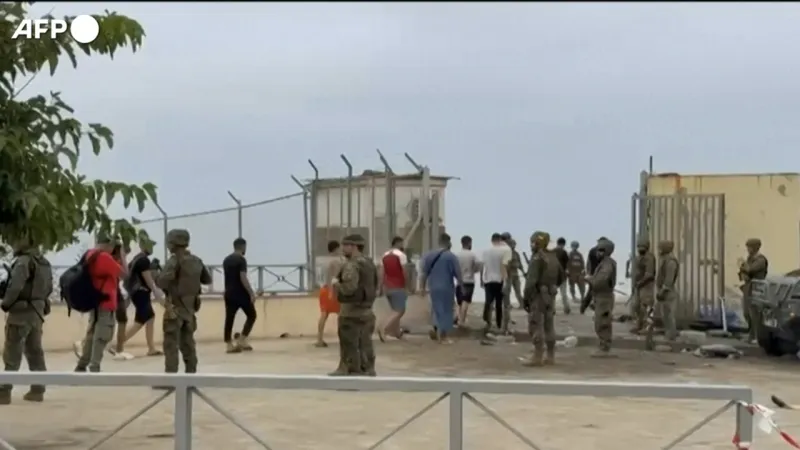
An image depicting a symbolic representation of Germany's ongoing debate regarding its refugee policy, with elements suggesting both humanitarian aid and the financial burden on taxpayers.