 Edward DP Situmorang
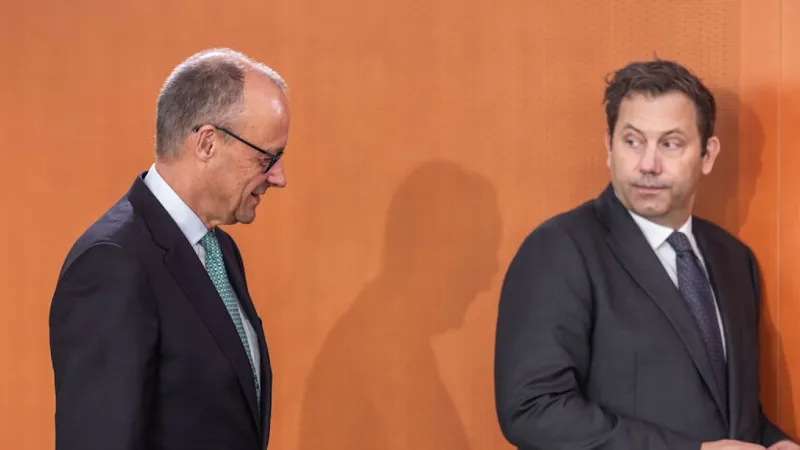
The German Bundestag's budget committee recently approved the contentious 2027 budget draft after an extended session, immediately drawing sharp criticism from opposition parties and the business community who decry projections of increased national debt and higher taxes, alongside accusations targeting key political figures like Friedrich Merz.
This approval marks a significant step in Germany's annual fiscal planning, yet it simultaneously ignites a fervent political debate over the nations economic trajectory. The marathon session leading to the vote underscored the deep divisions within the committee regarding the proposed financial framework for the coming years.
Central to the opposition's grievances are the stark warnings of more debt, more taxes embedded within the budget. Critics contend that these measures will place an undue burden on German citizens and industries, potentially stifling economic recovery and long-term growth.
Political observers note that the accusations leveled against figures such as Friedrich Merz, leader of the Christian Democratic Union (CDU), reflect the heightened partisan tensions surrounding the budget. While specifics of the allegations remain debated, they generally relate to perceived fiscal irresponsibility or political maneuvering during the drafting process.
The business community has echoed these concerns, expressing alarm over the prospect of elevated tax rates and a growing national debt. Industry associations fear that such a fiscal environment could diminish Germany's competitiveness on the global stage, discouraging investment and hindering job creation.
For the German economy, which navigates complex global challenges, a substantial increase in public debt raises questions about intergenerational equity and future fiscal flexibility. Economists caution that while some spending is necessary, an unsustainable debt trajectory could lead to long-term economic instability.
The 2027 budget draft outlines projected revenues and expenditures, detailing allocations for critical sectors like infrastructure, defense, social welfare, and environmental initiatives. The funding mechanisms, particularly the reliance on borrowing and increased taxation, form the crux of the controversy.
Despite the committee's approval, the budget draft must still navigate further parliamentary stages, including plenary debates and potential amendments in the Bundestag. The robust dissent evident at this early stage suggests that the legislative path will be anything but smooth.
This fiscal debate is not isolated; it resonates with broader discussions across the European Union concerning fiscal discipline and economic stimulus in a post-pandemic world. Germany's approach often sets a precedent or influences policy discussions among its neighbors.
The government, presumably defending its proposal, likely argues that the budgetary provisions are essential to meet pressing societal needs, invest in future technologies, and maintain Germany's robust social safety net amidst evolving demographic and geopolitical landscapes.
Critics, however, argue for greater efficiency in public spending and exploring alternative revenue streams that do not disproportionately burden taxpayers or undermine business confidence. They call for a more prudent fiscal strategy.
The long-term implications of the budget, particularly for Germany's standing as an economic powerhouse, are a key point of contention. The decisions made now regarding debt and taxation will shape the nation's capacity to innovate and compete for decades.
Public reaction to the budget draft is anticipated to intensify as the details become more widely disseminated. Citizen groups and advocacy organizations are likely to weigh in, adding another layer of pressure to the ongoing political discourse.
The contentious nature of the 2027 budget plan highlights the fundamental philosophical differences between the ruling coalition and the opposition regarding the proper role of government in the economy and the prioritization of national spending.
As the legislative process continues, political analysts predict intense negotiations and possibly public demonstrations as various stakeholders vie to influence the final shape of Germany's financial blueprint for 2027.