 Dodi Irawan
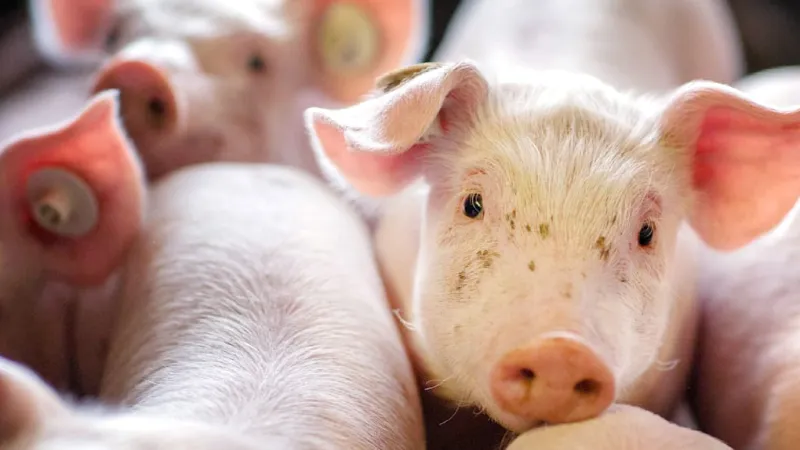
GERMANY – The German meat industry faces an escalating crisis following the bankruptcy of one of the nation's largest piglet producers, a development signaling widespread financial distress for farmers burdened by significant investments in animal welfare and threatening potential supply disruptions and higher prices for consumers.
The collapse of such a prominent producer sends a stark warning across the entire German agricultural sector. Industry analysts predict a ripple effect, impacting the availability and cost of various pork products, including the culturally significant pork neck steak, a staple in German cuisine.
The primary driver behind this escalating financial strain, according to industry reports, lies in the substantial investments farmers are compelled to make in animal welfare improvements. While these initiatives are designed to enhance conditions for livestock, the associated costs for new housing, feeding systems, and environmental controls have become unsustainable for many operations.
Farmers argue that these mandates, often implemented without adequate financial support or price adjustments from retailers, place an unbearable burden on their already slim profit margins. The competitive nature of the European food market further restricts their ability to pass these increased costs directly to consumers.
This localized crisis unfolds against a backdrop of broader economic challenges. German agriculture has contended with persistent inflation, particularly in energy and feed costs, exacerbating the financial pressures on livestock farmers. The nation recently saw German inflation surge to 2.8% following the expiry of certain rebates, further squeezing household budgets and business profitability.
The direct consequences for consumers are projected to be significant. Experts anticipate not only a rise in prices for pork products but also potential shortages, forcing households to adjust their purchasing habits. This could prompt a shift towards imported meat or alternative protein sources, fundamentally altering Germany's culinary landscape.
Industry associations have voiced grave concerns, emphasizing that the recent bankruptcy is not an isolated incident but rather a symptom of a systemic vulnerability. Many smaller and medium-sized piglet producers face similar financial precariousness, leading to fears of further consolidation or closures within the sector.
Calls for government intervention are growing louder, with agricultural bodies advocating for targeted subsidies or more flexible implementation timelines for animal welfare regulations. They argue that a balanced approach is necessary to safeguard both animal well-being and the economic viability of domestic food production.
The German government, meanwhile, faces a delicate balancing act. Policymakers must reconcile public demand for higher animal welfare standards with the practical economic realities confronting farmers. Any legislative changes or financial aid packages will be closely scrutinized for their impact on both the agricultural sector and consumer prices.
Beyond Germany, this situation highlights broader challenges within European agriculture. Across the continent, farmers grapple with increasing regulatory demands, fluctuating market prices, and climate-related stressors. The German piglet crisis serves as a potent reminder of the interconnectedness of these factors and their potential to destabilize food systems.
Long-term implications for the German meat market include a potential reduction in self-sufficiency, increased reliance on foreign imports, and a transformation of traditional farming practices. Ensuring a stable and sustainable food supply will require concerted efforts from policymakers, industry stakeholders, and consumers alike.
As the crisis deepens, the fate of the German piglet industry—and the availability of beloved products like pork neck steaks—remains uncertain. The coming months will be critical in determining whether collective action can avert a more widespread collapse and preserve a vital part of Germany's agricultural heritage.