Demian Sahputra
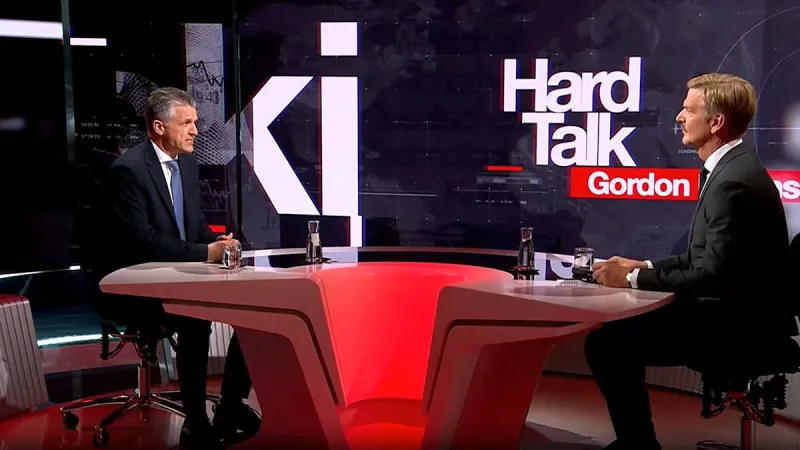
Berlin, Germany – Thorsten Frei, the prominent parliamentary group leader for the conservative Union bloc, appeared on the program Hard Talk to dissect the substantial domestic policy challenges confronting Germany in 2026. His discussion encompassed the ascendant Alternative for Germany (AfD), persistent tensions within the ruling coalition, and an urgent, widespread demand for sweeping reforms across the nation.
Frei joined Chief Political Anchor Gordon Repinski for a candid exchange, acknowledging what he termed massive construction sites within Germany's internal governance. The political landscape is marked by volatile shifts, placing the Union in a particularly critical phase as it navigates public sentiment and prepares for future electoral contests.
The rapid rise of the AfD represents a profound challenge to Germany's established political order. Recent polling indicates sustained growth for the far-right party, forcing mainstream parties like the Union to reassess their strategies for appealing to a disillusioned electorate. This surge complicates governance and societal cohesion.
Adding to the complexity is the nature of the current governing coalition. Frei alluded to an uncomfortable coalition partner, a clear reference to the dynamic within the current government, which often sees internal disagreements spilling into the public sphere. Such discord can hinder legislative progress and erode public trust in political leadership.
Reform pressure constitutes another significant hurdle. Germany faces an array of economic, social, and environmental issues demanding decisive action. From modernizing infrastructure to addressing demographic shifts and energy transition, the need for comprehensive and timely reforms is paramount to maintaining national stability and prosperity.
This period is particularly decisive for the Union. As a leading opposition force, its ability to articulate a coherent vision and present credible solutions to these domestic quandaries will determine its political trajectory in the years to come. The party seeks to consolidate its position and offer a viable alternative to the current administration.
The conversation on Hard Talk provided a platform for Frei to articulate the Union's perspective on these pressing matters. Such televised discussions are crucial for informing the public and shaping the national dialogue around critical political issues affecting every German citizen.
The challenges extend beyond mere party politics, touching upon the very fabric of German society. Issues such as immigration policy, economic competitiveness, and the future of social security systems require broad consensus and effective policy implementation, areas where current political consensus appears fragile.
Frei's appearance underscores the urgency with which Germany's mainstream political leaders are attempting to grapple with these multifaceted problems. The dialogue aims to foster a greater understanding of the complex interplay between parliamentary strategy and public expectation.
Indeed, the Union has been vocal about potential policy directions, with warnings issued regarding the consequences of alternative political alignments. As detailed in related analyses, a CDU Warns: Left Alliance Spells Tax Hikes, Migration Surge, Security Risks scenario highlights differing ideological approaches to economic and social governance.
The national conversation around domestic policy also frequently intersects with local concerns. While not directly addressed in this specific broadcast, the ongoing struggles faced by municipal governments and the strain on public services amplify the call for federal support and systemic overhaul.
The outcome of these domestic struggles will undoubtedly shape Germany's role on the international stage. A stable and prosperous Germany, confident in its internal affairs, is better positioned to exert influence and engage effectively with global challenges.
The Union's leadership, including Frei, faces the daunting task of uniting disparate factions, both within the party and across the political spectrum, to forge a path forward that addresses the anxieties and aspirations of the German populace. The stakes for Germany's future could not be higher.
Ultimately, the ability to successfully navigate these domestic policy storms will define the legacy of current political figures and determine the trajectory of Germany for the remainder of the decade and beyond. The public keenly watches how these challenges are met.