 Dorry Archiles
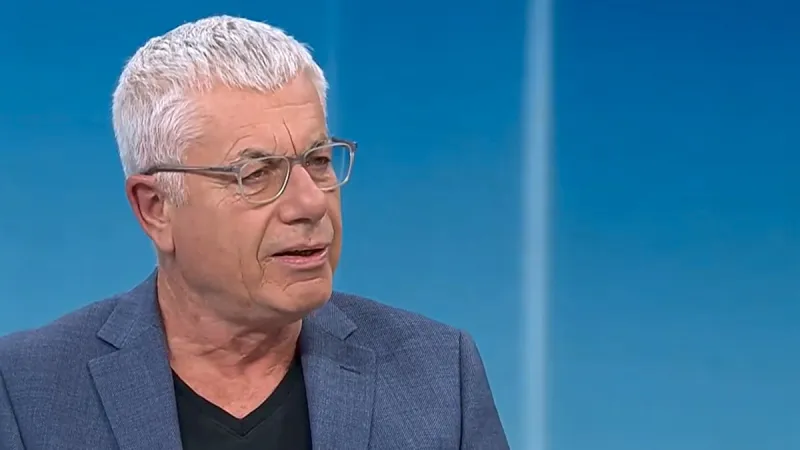
BERLIN – Following a galvanizing performance by the German national football team, prominent columnist Reinhard Mohr has ignited public discourse by questioning why the nation's political sphere remains entrenched in stagnation while its athletes exemplify dynamic progress. Mohr, writing for a leading national outlet, specifically critiqued the government's recent electricity tax reduction, branding it as "ridiculous" and a symbol of broader governmental inertia in early 2026.
Mohr's commentary, published shortly after the national team's emphatic display, posits a societal disconnect. He argues that the collective energy and strategic vision evident in German sports find little parallel in the countrys current political leadership, particularly within the federal government. This comparison aims to provoke reflection on the perceived lack of bold initiatives addressing pressing national challenges.
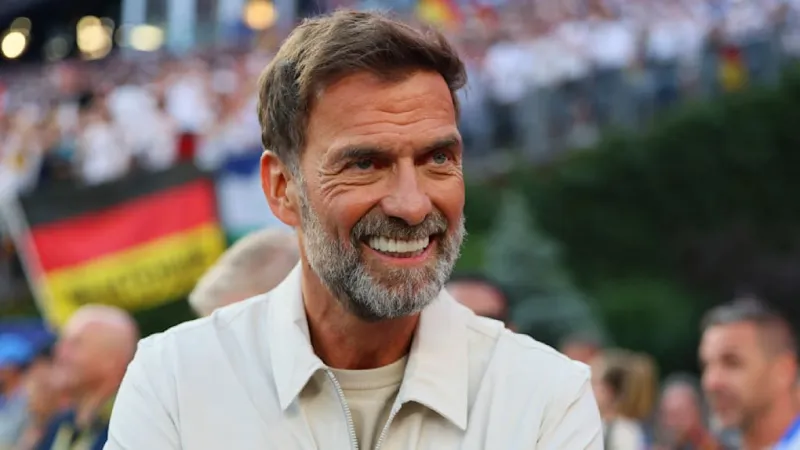
The column implicitly targets figures within the governing coalition, with the original article drawing a pointed contrast between the perceived methodical, perhaps uninspiring, approach of figures like Federal Labor Minister Hubertus Heil, and the charismatic, results-driven leadership style epitomized by football manager Jürgen Klopp. This analogy underscores a yearning for more decisive and inspiring political action.
Germany has grappled with several economic and social headwinds in recent years, prompting calls for more robust and innovative policy responses. Critics frequently point to bureaucratic hurdles, prolonged decision-making processes, and a perceived reluctance to embrace transformative change as hallmarks of the current political climate.
The specific policy under fire, the electricity tax reduction, has been framed by its proponents as a measure to alleviate financial burdens on households and businesses. However, Mohr suggests its impact is negligible, failing to address the fundamental economic pressures faced by the populace. He deems it a symbolic gesture rather than a substantive solution.
Such political stagnation, as Mohr implies, risks eroding public trust and exacerbating cynicism toward governmental institutions. When citizens observe a vibrant, successful national team, the contrast with a seemingly inert political landscape can heighten feelings of frustration and disengagement.
The national football team's recent success, which has captivated the German public, serves as Mohr's primary evidence of how effective leadership, clear strategy, and collective effort can indeed usher in a sense of new beginning or breakthrough. This athletic resurgence provides a powerful counter-narrative to the political status quo.
Jürgen Klopp, widely admired for his passionate leadership and ability to galvanize teams, represents a philosophy of proactive change and relentless pursuit of excellence. The comparison, while figurative, highlights a desire for political figures to emulate such a dynamic and forward-thinking approach.
Mohr's critique extends beyond individual policies, suggesting a broader societal challenge where the mechanisms for political innovation and rapid adaptation are lagging behind the demands of a complex, fast-evolving world. The article implicitly asks whether Germany can afford to remain politically static.
The columnist's provocative piece serves as a clarion call for German politicians to transcend incremental adjustments and instead embrace a more ambitious vision for the nations future. It underscores the public hunger for leadership that can inspire and deliver tangible progress, much like the national team has recently demonstrated on the global stage.
The central tension explored by Mohr – the vibrant success in sports juxtaposed with perceived governmental lethargy – resonates deeply within a nation proud of its ingenuity and efficiency. This critical analysis invites a deeper introspection into the pathways for national renewal.
Ultimately, the challenge, as framed by Mohr, lies in translating the spirit of innovation and unity witnessed in the sporting arena into the realm of public policy, fostering a renewed sense of purpose and progress for all Germans.