 Debby Wijaya
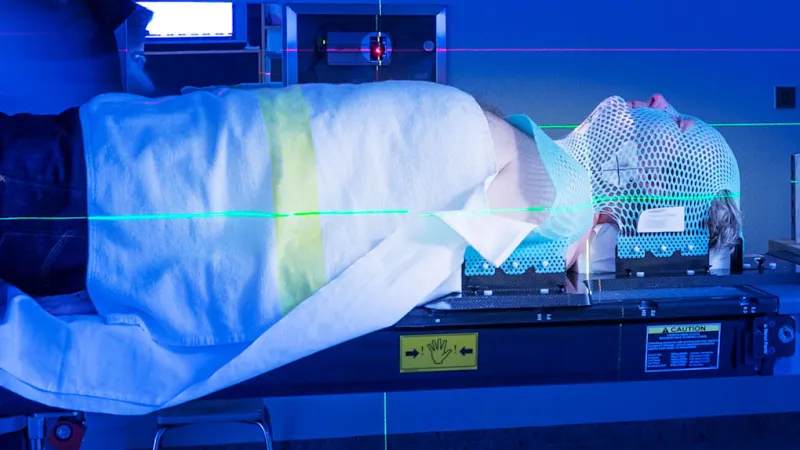
Experts across the globe project a formidable increase in global cancer diagnoses, anticipating a twofold rise in cases despite significant advancements in medical science. This alarming prognosis, revealed by leading health organizations, attributes the expected surge not solely to well-established risk factors but also to a complex interplay of emerging environmental and lifestyle influences.
The foreboding outlook underscores a burgeoning global health crisis that threatens to strain healthcare systems and economies worldwide. Projections indicate millions more individuals will confront a cancer diagnosis in the coming years, presenting an unprecedented challenge to public health initiatives.
Traditionally, lifestyle choices such as smoking, excessive alcohol consumption, unhealthy diets, and sedentary habits have been primary drivers of cancer incidence. While these continue to contribute substantially, researchers are increasingly pointing to novel or exacerbated risk factors.
These newer concerns encompass the widespread exposure to pollutants, microplastics, persistent organic compounds, and changing dietary patterns influenced by industrial food production. The cumulative effect of these exposures on human carcinogenesis remains a subject of intensive study.
Furthermore, demographic shifts play a pivotal role. The world population is aging, and as individuals live longer, the probability of developing cancer, a disease strongly associated with older age, naturally increases. This demographic trend creates a paradox where improved longevity, a triumph of modern medicine, inadvertently contributes to rising cancer numbers.
The medical community has made monumental strides in early detection, treatment efficacy, and palliative care. However, the sheer volume of anticipated new cases threatens to overwhelm existing infrastructure and resources, particularly in low- and middle-income countries where access to advanced care is already limited.
This looming crisis necessitates a multifaceted approach, extending beyond conventional clinical interventions. Public health campaigns must intensify efforts to educate populations about both traditional and emerging risk factors, advocating for preventative measures and healthier living environments.
Research funding must also be bolstered to deepen understanding of cancer etiologies, accelerate the discovery of new diagnostic tools, and develop more effective, accessible treatments. Global collaboration among scientists and policymakers becomes paramount to address this universal challenge.
Organizations like the World Health Organization and various national cancer societies routinely emphasize the importance of policy interventions. These include stricter regulations on environmental pollutants, promotion of active lifestyles, and ensuring equitable access to healthy food options.
The economic implications of a doubling in cancer diagnoses are profound, encompassing increased healthcare expenditures, lost productivity, and the immense personal cost to patients and their families. Nations must brace for these fiscal strains and adapt their health budgets accordingly.
Addressing the complex etiology of cancer requires a holistic perspective, acknowledging that socio-economic determinants, health inequities, and systemic factors contribute significantly to disease prevalence and outcomes. A focus on health equity is crucial to mitigate disparities.
Medical scientists are exploring innovative avenues, including personalized medicine, advanced immunotherapies, and gene editing techniques, to combat cancer. Yet, the scale of the impending increase suggests that prevention remains the most potent weapon in the long term.
The international community faces a critical juncture. The forecasts serve as a stark reminder that while medical progress offers hope, sustained public health efforts and proactive policy changes are indispensable to avert a severe global health crisis driven by rising cancer rates.