 Robert Andrison

BRUSSELS — A newly established European Union office has initiated a controversial campaign aimed at heightening media emphasis on the urgency of climate change, employing simulation models that critics contend are questionable. This initiative, designed to amplify climate concerns across media platforms, overtly pursues political objectives, raising significant concerns about the objectivity of public information regarding environmental shifts.
The core of the dispute centers on the nature and methodology of the climate simulations adopted by the new office. While the mandate aims to ensure climate issues receive more frequent media attention, the choice of data and modeling techniques has drawn scrutiny from experts and observers alike, who question their impartiality and scientific rigor.
Sources close to the initiative suggest the office operates under the belief that current media coverage insufficiently conveys the existential threat of climate change. Its mandate, therefore, includes active engagement with media outlets to shape narratives that underscore the dire consequences of global warming, a strategy interpreted by some as an overt politicization of scientific discourse.
This deliberate effort to influence climate reporting carries significant implications for public trust in both scientific institutions and the media. When data presented as scientific fact is perceived as being manipulated for political ends, it risks eroding credibility and fostering skepticism among a populace that relies on unbiased information for critical decisions.
The history of public policy is replete with instances where scientific data or its interpretation became subject to political pressure. From public health campaigns to economic forecasts, the boundary between scientific consensus and political advocacy often blurs, yet transparent communication remains paramount for maintaining societal confidence.
The EU has long positioned itself as a global leader in combating climate change, setting ambitious targets for emissions reductions and advocating for green policies. The creation of this new office, ostensibly to align media messaging with these goals, may be seen by some proponents as a necessary step to galvanize public support for critical environmental actions.
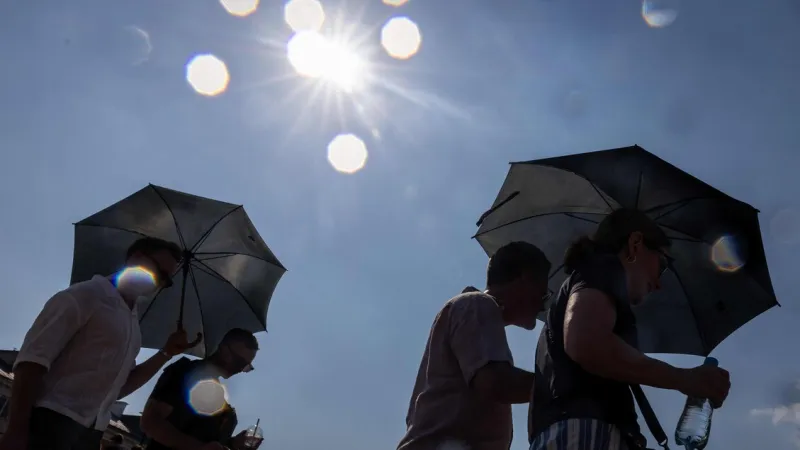
Recent environmental events, such as the massive Gironde wildfire that forced hundreds of thousands of evacuations, and forecasts like the unprecedented El Niño poised to make 2027 the hottest year ever, already underscore the severity of the climate crisis. However, the method of emphasizing these concerns, particularly through potentially biased simulations, becomes a point of contention.
For national media outlets, the emergence of such a dedicated EU office presents a journalistic challenge. Editors and reporters must exercise heightened diligence in scrutinizing the origins and methodologies of all climate data presented, upholding journalistic independence against potential external influence.
The fundamental principle of journalism demands objective reporting, especially on matters of significant public interest and scientific complexity. When an entity openly declares its pursuit of political goals in shaping public perception of scientific issues, it necessitates rigorous examination by the press.
This development feeds into a broader global debate concerning the integrity of information in the digital age, a topic recently explored in discussions about the unseen hand of modern propaganda. The line between informing the public and directing opinion becomes increasingly fine.
The politicization of weather and climate reports risks transforming what should be factual information into another battleground in the culture wars. Such a shift could hinder genuine public discourse and impede consensus-building around necessary policy interventions.
Transparency remains a cornerstone of scientific integrity. Critics urge the EU office to fully disclose its methodologies, data sources, and the precise nature of its controversial simulations to allow independent verification and foster genuine public understanding rather than perceived manipulation.
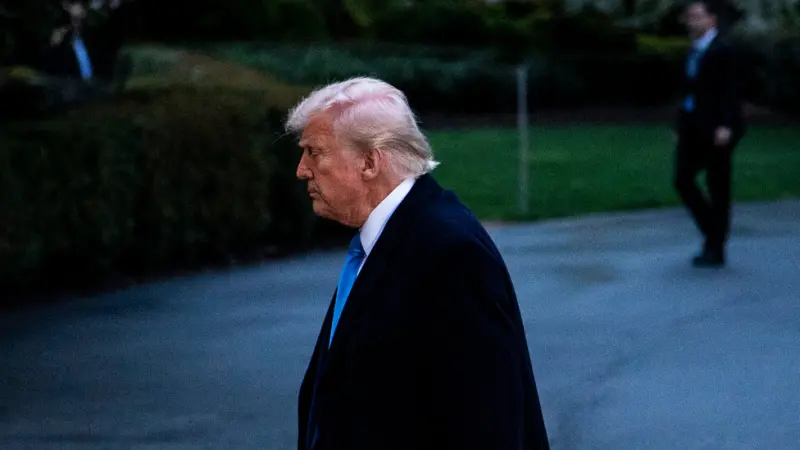
Meanwhile, the global political landscape continues to grapple with varying approaches to climate policy. President Donald Trump, for instance, has historically emphasized energy independence and questioned the extent of human impact on climate change, highlighting the deep international divisions on how to address these issues.