Dodi Irawan
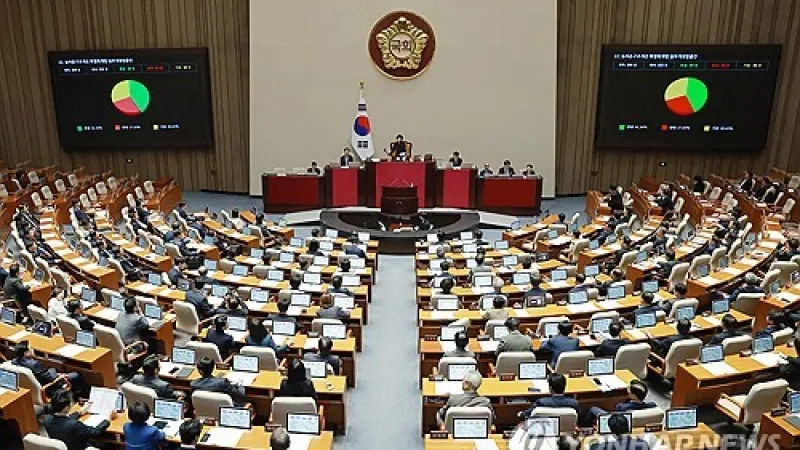
SEOUL, Nov. 5 – South Korean lawmakers officially initiated proceedings today for a special counsel investigation into deeply concerning allegations of fabricated indictments. The bill, introduced during a plenary session of the National Assembly, seeks to appoint an independent prosecutor to scrutinize claims that legal charges were manufactured, potentially sparking a wide-ranging political and judicial inquiry.
This legislative action underscores persistent anxieties regarding the integrity of the nation's justice system. A special counsel probe is typically reserved for high-profile cases where existing investigative bodies are perceived to lack impartiality or face insurmountable conflicts of interest, signaling a profound lack of trust among some parliamentary factions.
The concept of fabricated indictments refers to the grave accusation that formal charges were brought against individuals without sufficient evidence, or worse, were intentionally manufactured for political or personal gain. Such actions represent a severe abuse of prosecutorial power and fundamentally undermine the rule of law within a democratic society.
The bill's introduction follows an extended period of public discourse and political pressure concerning these claims. While specific instances prompting the bill were not detailed in the plenary session, the move suggests a mounting call for accountability from a segment of the political spectrum.
Observers note that the path from bill introduction to actual special counsel appointment is often fraught with political maneuvering and parliamentary hurdles. The legislation must navigate various committees, undergo thorough debate, and secure a majority vote before it can be enacted.
The implications for South Korea's political landscape are substantial. Should a special counsel be appointed, its findings could challenge the credibility of established institutions and potentially lead to charges against prominent figures, depending on the scope and direction of the investigation.
Public confidence in the judicial process remains a critical concern. Allegations of impropriety at such fundamental levels can severely erode trust between citizens and their government, fostering cynicism and demands for reform. The parliamentary push for this probe reflects an awareness of this societal sentiment.
Historically, South Korea has resorted to special counsels in cases of significant national interest, often when public outrage demands an impartial review beyond the reach of conventional law enforcement or prosecutorial agencies. This precedent highlights the gravity attributed to the current allegations.
The debate surrounding a special counsel bill concerning fabricated indictment allegations is not new. Indeed, the issue has been a point of contention for some time within national political circles. For further context on ongoing discussions, readers may refer to previous reports such as South Korea Debates Special Counsel Bill Amid Fabricated Indictment Allegations.
Government and ruling party reactions to such a bill typically range from cautious acknowledgment to outright opposition, depending on the perceived political targets and the potential for destabilization. The upcoming debates will likely reveal the depth of partisan divide on this critical issue.
The proposed investigation would delve into the procedural details of how indictments were formulated, scrutinizing evidence collection, witness testimonies, and the decision-making processes of the relevant legal authorities. Its findings could pave the way for significant reforms within the justice system.
As the bill progresses through the National Assembly, political analysts anticipate intense scrutiny and robust debate. The outcome will not only determine the fate of the alleged fabricated indictments but also set a precedent for future accountability mechanisms in South Korean governance.