 Chris Robert
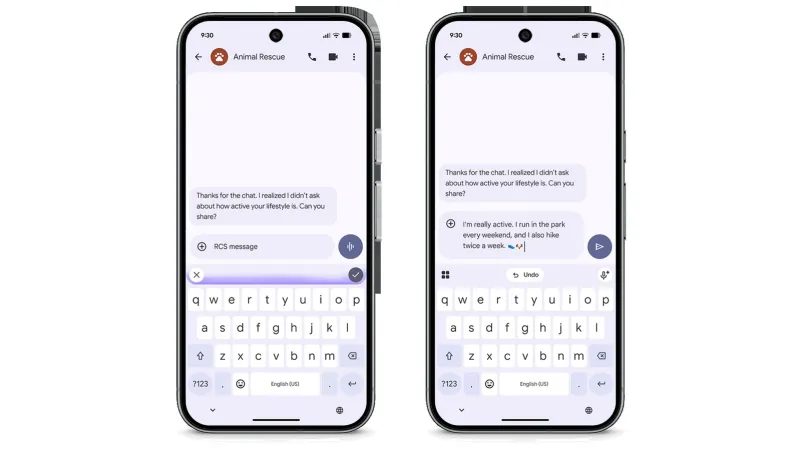
MOUNTAIN VIEW, California – Google has significantly enhanced its artificial intelligence offerings across its smartphone lineup, extending the highly anticipated Rambler dictation technology to Pixel 10 devices. The rollout, part of the companys latest Pixel Drop in November 2026, also delivers a suite of additional AI features to older Pixel models, while concurrently integrating the Pixel 11s HiLight capability with Google Messages. This strategic move aims to democratize advanced AI functionalities, improving productivity and communication for a broader user base.
The introduction of Rambler AI dictation to Pixel 10 devices marks a pivotal moment for users seeking seamless, accurate voice-to-text capabilities. Rambler, previously lauded for its exceptional precision and ability to understand nuanced speech patterns, dialects, and even mixed-language inputs, transforms how individuals interact with their smartphones. This means Pixel 10 owners can now dictate complex emails, lengthy documents, or quick messages with unprecedented ease, reducing reliance on manual typing.
This update directly addresses a common user request: bringing cutting-edge features to devices beyond the very latest flagships. By equipping Pixel 10 with Rambler, Google demonstrates a commitment to extending the lifespan and utility of its hardware, ensuring that previous-generation devices remain highly competitive in a rapidly evolving market. The technology leverages on-device processing to ensure both speed and privacy, a cornerstone of Googles AI philosophy.
Beyond Rambler, the November Pixel Drop introduces a variety of AI enhancements for other older Pixel phones. While specific features vary by model, these updates often include improvements to computational photography, such as more sophisticated low-light processing or enhanced portrait mode capabilities. Battery optimization, smarter notification management, and refined call screening features are also common additions, all powered by refined artificial intelligence algorithms.
These incremental yet impactful updates are crucial for maintaining user satisfaction and loyalty. They ensure that Pixel users, regardless of their devices age, continue to benefit from Googles leading-edge software innovations. This approach contrasts with some industry trends where older devices often see diminishing software support shortly after new models launch.
For owners of the flagship Pixel 11, the integration of HiLight with Google Messages represents another significant stride in conversational AI. HiLight, known for its ability to intelligently summarize lengthy conversations, identify action items, and extract key information from chat threads, now provides these insights directly within the messaging application. This streamlines communication, allowing users to quickly grasp the essence of group chats or long exchanges without having to scroll through countless messages.
The synergy between HiLight and Google Messages exemplifies the companys broader strategy to embed AI deeply into its core applications. This move is designed to make digital communication more efficient and less burdensome, a necessity in todays fast-paced world. Such integrations hint at a future where AI acts as a personal assistant, proactively organizing and distilling information.
Googles continued investment in robust artificial intelligence systems is evident across its portfolio. The companys dedication extends beyond consumer-facing features, as highlighted by initiatives like Google AI Verifies Signal Protocol Security, Eyes Global Software Audit. Such efforts underscore a comprehensive commitment to developing secure and reliable AI infrastructure, benefiting both individual users and broader digital ecosystems.
The periodic Pixel Drop serves as Googles consistent mechanism for delivering these advancements. Unlike major annual operating system updates, Pixel Drops provide a more agile approach to software deployment, allowing the company to roll out new features and improvements several times a year. This keeps the Pixel ecosystem dynamic and responsive to user needs and technological breakthroughs.
As artificial intelligence continues to reshape the technological landscape, the role of on-device AI in smartphones becomes increasingly paramount. Features like Rambler dictation and HiLight integration underscore a shift towards more powerful, localized AI processing, which offers enhanced privacy and reduced latency compared to cloud-based solutions.
The global conversation surrounding artificial intelligence also increasingly focuses on ethical considerations and oversight. Debates on AI Safety Debate Shifts Focus to Real Global Catastrophes and frameworks for New York Establishes Independent Oversight for AI Model Verification demonstrate a growing awareness of AIs societal impact. Google, through its thoughtful deployment of AI, navigates this complex environment by prioritizing user experience while also advancing the technology responsibly.
These latest updates reinforce Googles position as a frontrunner in smartphone innovation, particularly in the realm of artificial intelligence. By bringing advanced capabilities like Rambler to more users and refining existing features, Google aims to maintain the Pixel lineups reputation for intelligent, user-centric design in the competitive smartphone market. The ongoing evolution ensures that Pixel devices remain powerful tools capable of adapting to the demands of modern digital life.