Angel Doris
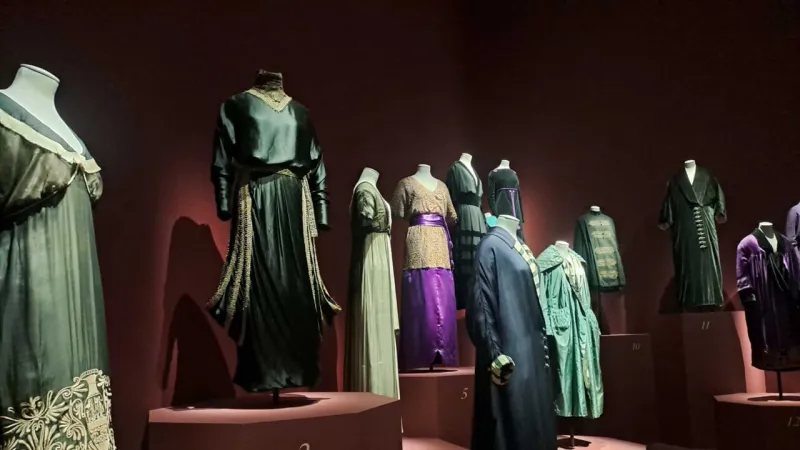
PARIS - The Fondation Louis Vuitton has unveiled an extraordinary exhibition celebrating the multifaceted legacy of Gustave Fayet, the visionary collector and artist whose eclectic tastes spanned from post-impressionist titans like Vincent van Gogh to his own intricate textile masterpieces. This landmark presentation in the French capital meticulously traces Fayets profound influence on modern art, demonstrating his unique ability to integrate disparate artistic expressions into a coherent, compelling narrative.
Fayet, a figure often overshadowed by the very artists he championed, emerged as a pivotal patron and creative force at the turn of the 20th century. His discerning eye recognized genius before it became mainstream, acquiring significant works by artists who would later define an era. This exhibition reclaims his central role, not merely as an accumulator of art but as an active participant in its evolution.
The collection housed within the Fondation Louis Vuitton stands as a testament to Fayets audacious collecting philosophy. Unlike many contemporaries who adhered to strict stylistic categories, Fayet embraced a wide spectrum, prioritizing innovation and emotional resonance. His acquisitions of works by Van Gogh, for instance, highlight a foresight that few shared during the artists lifetime.
Beyond his role as a collector, Fayet cultivated his own artistic practice, notably in the realm of tapestry and decorative arts. These creations, often vibrant and symbolic, reveal a direct engagement with the principles he admired in others. They are not mere imitations but rather a deeply personal extension of his aesthetic creed, showcasing his mastery of color and form.
Visitors to the exhibition encounter a curatorial journey designed to illuminate these dual facets of Fayets genius. The displays fluidly transition between iconic paintings from his private collection and his handcrafted textiles, creating a dialogue that underscores the interconnectedness of his artistic world. This approach invites a deeper understanding of his influence.
The strategic placement of Van Goghs canvases alongside Fayets woven art pieces is particularly striking. This juxtaposition reveals thematic echoes and stylistic parallels, suggesting that Fayet saw a fundamental unity in seemingly disparate art forms. He perceived art not as segregated genres but as a continuous, flowing expression of human creativity.
Fayet was also a significant patron for artists of his time, providing financial support and intellectual camaraderie. His chateau in Fontfroide, now a historical monument, became a hub for artists, writers, and musicians, fostering a vibrant intellectual environment crucial for artistic development. This aspect of his life is implicitly celebrated through the breadth of the exhibited works.
The exhibition further highlights Fayets entrepreneurial spirit and his commitment to preserving artistic heritage. He was instrumental in revitalizing ancient techniques and crafts, ensuring that traditional methods found new relevance in a modern context. His work with stained glass and ceramics also contributed to this broader mission.
The architectural grandeur of the Fondation Louis Vuitton, designed by Frank Gehry, provides a fitting backdrop for such a comprehensive survey. Its innovative structure, with its sail-like glass panels, mirrors the forward-thinking and exploratory nature of Fayets own artistic endeavors, creating a harmonious setting for the presented works.
Critics and art historians widely commend the exhibitions meticulous research and its fresh perspective on a figure whose contributions have long deserved greater recognition. It serves as a powerful reminder that the history of art is shaped not only by celebrated creators but also by the astute individuals who nurture and champion them.
The long-term impact of Fayets collection and his own artistic output reverberates through contemporary art discourse. By bringing his entire artistic universe to light, the Fondation Louis Vuitton offers a rare opportunity to appreciate the holistic vision of a man who believed art should enrich every aspect of life.
This Parisian showcase positions Gustave Fayet not merely as a footnote in art history but as an influential orchestrator, a bridge between the avant-garde movements he supported and the traditional crafts he revived. His dedication to art in its myriad forms continues to inspire.