 Chris Robert
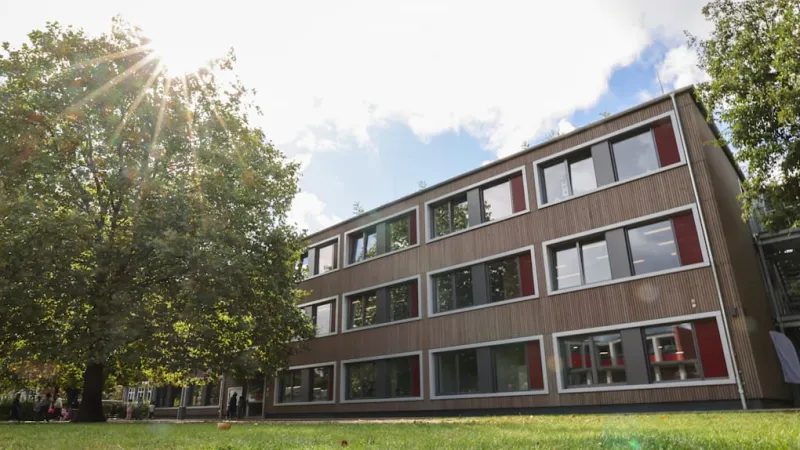
The Hamburg Senate has committed a substantial nearly 500 million euros from its special funds towards enhancing the citys school and educational infrastructure, a strategic initiative slated for completion by 2029. This significant investment prioritizes the expedited development of new facilities, including modular standard housing and apprentice dormitories, underscoring the administration's urgent focus on educational expansion and efficiency.
Finance Senator Andreas Dressel has been a key proponent of this accelerated approach, emphasizing the critical need for swift project implementation. The city aims to address growing student populations and modern educational demands by streamlining construction processes and leveraging innovative building methods.
At the core of this ambitious plan lies the adoption of modular standard housing. This construction method allows for quicker assembly times and standardized designs, significantly reducing the duration typically associated with large-scale building projects. The goal is to deliver functional, high-quality educational spaces in a fraction of the traditional timeframe.
Beyond traditional classrooms, the initiative also includes the development of new apprentice dormitories. This component directly supports vocational training and workforce development, providing essential accommodation for students pursuing apprenticeships across various sectors in Hamburg.
The allocation of nearly 500 million euros from the citys special funds highlights a strategic budgetary maneuver. These funds are distinct from regular operating budgets, often earmarked for specific, large-scale projects that require dedicated and substantial financial backing over several years.
This funding mechanism ensures a stable financial pipeline for these critical infrastructure projects, insulating them from potential fluctuations in annual budgets. The long-term commitment stretching until 2029 provides a clear roadmap for planning and execution.
Local educational authorities and school principals anticipate that the rapid expansion of facilities will alleviate overcrowding, provide more modern learning environments, and better support pedagogical innovation. The investment reflects a proactive stance on securing the future educational landscape for Hamburgs youth.
The emphasis on speed is not merely about construction timelines; it also acknowledges the dynamic growth within the city and the imperative to adapt its public services accordingly. Timely completion means students can benefit from improved facilities sooner, fostering a more conducive learning atmosphere.
Ultimately, Hamburgs significant education investment underscores its commitment to fostering a robust educational ecosystem. By prioritizing efficiency, modern construction, and comprehensive support for both academic and vocational pathways, the city aims to strengthen its human capital and prepare its residents for future challenges.
This strategic allocation of resources positions Hamburg as a forward-thinking urban center, actively investing in the foundational elements of its societal and economic prosperity through enhanced educational infrastructure.