 Dodi Irawan
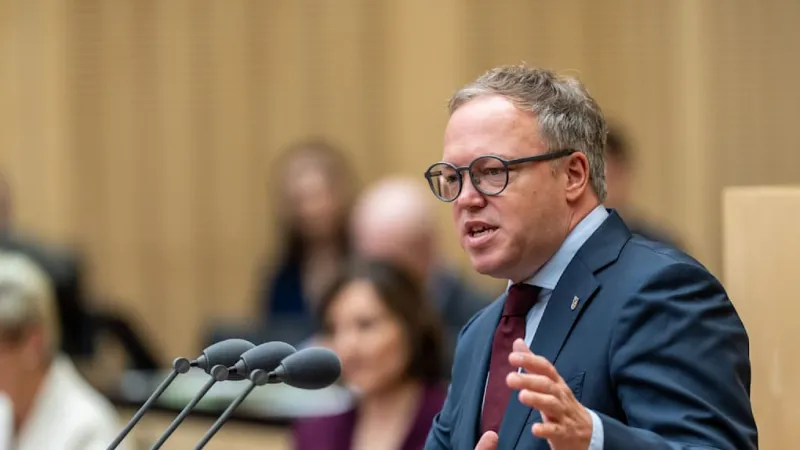
Berlin – Thuringian CDU leader Mario Voigt today issued a stern caution to the federal government at the onset of the Minister Presidents Conference, asserting the indispensable role of German states in national reform initiatives. Voigt stressed the need for collaborative governance, warning against any unilateral federal actions, and simultaneously announced a personal commitment to implementing stricter artificial intelligence controls within his own professional sphere.
Voigts intervention underscored growing concerns among state leaders regarding Berlins perceived tendency toward independent legislative reforms. He emphasized that significant national overhauls, particularly those impacting various regional constituencies, necessitate broad consensus and active participation from the Lander.
“The states belong at the table,” Voigt declared, advocating for a more integrated decision-making process that reflects the federal structure of Germany. He maintained that excluding state perspectives risks alienating segments of the population and creating policies that fail to address diverse regional needs effectively.
His remarks are particularly pertinent as Germany grapples with several complex national reforms, ranging from economic policy adjustments to social welfare revisions. Discussions surrounding these changes often involve intricate negotiations between federal ministries and state governments, highlighting the friction Voigt addressed. One such area of ongoing debate, for instance, involves proposals for sweeping pension overhauls, which could significantly alter the financial landscape for citizens across all states. This comes as the federal government has put forth plans that include higher retirement ages and new capital funds to secure future benefits.
Beyond the immediate political friction over federal-state relations, Voigt also brought a forward-looking dimension to his address by announcing personal steps towards rigorous artificial intelligence oversight. His pledge reflects a broader, evolving national dialogue on the ethical implications and governance of AI technologies.
While specifics of his personal implementation remain to be fully outlined, the announcement suggests a proactive stance from a prominent state leader in the face of rapid technological advancements. Voigt highlighted the imperative for politicians to lead by example in establishing responsible AI practices, ensuring transparency and accountability.
For political leaders, integrating AI responsibly involves navigating complex questions related to data privacy, algorithmic bias, and the future of work. Voigts commitment indicates an understanding that technology policy cannot be solely a federal prerogative but requires input and action from all levels of government.
The increasing ubiquity of artificial intelligence across various sectors, from public administration to journalism, has prompted calls for clear regulatory frameworks globally. Voigts initiative at the state level adds another layer to this critical discussion, pushing for practical application of ethical guidelines.
The Minister Presidents Conference serves as a vital forum for intergovernmental coordination in Germany, bringing together the heads of state governments to discuss and harmonize policies with the federal leadership. Voigts opening statement set a tone of assertiveness from the states regarding their constitutional role.
Observers suggest Voigts strong stance reflects a growing desire among state premiers to reclaim more agency in shaping national policy. His dual focus on federal-state power dynamics and the urgent need for AI governance signals a comprehensive approach to modern political leadership.