Gabriella
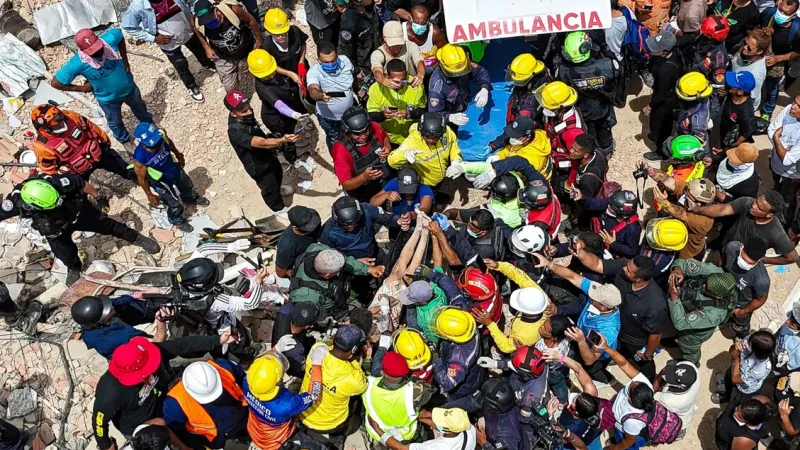
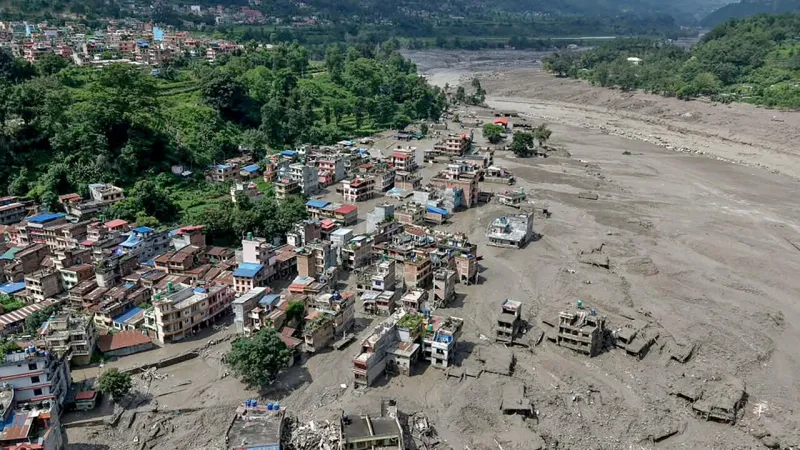
In a remarkable testament to resilience amidst overwhelming devastation, Italian firefighting brigades successfully extracted a mother and two of her three children alive from the collapsed structures of La Guaira, a Venezuelan coastal city utterly transformed into a desolate landscape by recent seismic activity. This heroic rescue, unfolding as despair deepens and search operations near a grim conclusion, offers a poignant, albeit fleeting, beacon of hope in a region grappling with widespread loss and burgeoning desperation.
The specialized Italian team, part of an international contingent aiding local authorities, meticulously navigated treacherous debris fields to pinpoint the survivors. The 30-year-old mother and her two young children were found trapped for days, their survival against all odds underscoring the critical, time-sensitive nature of urban search and rescue efforts. Details regarding their exact condition remain limited, but their extraction confirms life is still possible beneath the wreckage.
La Guaira, once a bustling port and vibrant community, now stands largely deserted, its infrastructure pulverized into a vast expanse of dust and twisted metal. Residents who once called it home have either perished, fled, or wander aimlessly amidst the ruins, searching for lost loved ones or salvaging what little remains. The phrase "ghost city" has become a harrowing reality for this once-lively area. For more context on the citys dire state, readers can refer to La Guaira Becomes Ghost City As Despair and Looting Grip Quake Zone.
Adding to the profound suffering, reports of widespread looting have escalated, with opportunists described as jackals preying on the vulnerability of the disaster zone. These scavengers exploit the chaos, raiding abandoned homes and businesses, further compounding the misery of a population already stripped bare by the cataclysm. This criminal element diverts resources and attention from critical humanitarian aid and rescue missions.
As days turn into weeks since the initial tremors, the prevailing sentiment among rescuers and affected residents is one of profound resignation. The window for finding additional survivors shrinks with each passing hour, making the recent Italian rescue all the more extraordinary. Search operations continue, but with dwindling resources and the grim reality of widespread casualties, the focus is incrementally shifting towards recovery and identification of the deceased.
International aid organizations and various national rescue teams, including the Italian contingent, have poured into Venezuela to assist in the monumental recovery effort. Their presence provides crucial expertise, technology, and manpower, yet the sheer scale of destruction often overwhelms even the most coordinated responses. The logistical challenges of operating in a devastated region, coupled with ongoing security concerns due to looting, present significant hurdles.
The disaster has triggered an immediate and severe humanitarian crisis. Thousands are displaced, lacking access to clean water, food, shelter, and medical attention. Makeshift camps have sprung up on the periphery of the affected zones, struggling to cope with the influx of survivors and their urgent needs. Public health officials warn of potential outbreaks of disease if sanitary conditions do not improve rapidly.
Beyond the immediate physical devastation, the psychological toll on survivors and rescuers alike is immense. Witnesses describe scenes of unimaginable grief, as families grapple with sudden loss and the destruction of their entire livelihoods. Mental health professionals emphasize the long-term need for trauma support to help communities rebuild not just structures, but lives shattered by the disaster.
Local and national authorities face an unprecedented challenge in coordinating relief, maintaining order, and beginning the arduous process of reconstruction. Resources are stretched thin, and the sheer volume of debris removal alone presents a monumental task. Securing the perimeter of the ghost city to deter further looting is a constant struggle, diverting essential personnel from more immediate life-saving tasks.
The road to recovery for La Guaira will be long and arduous, marked by immense challenges and the collective grief of a community forever altered. While the recent rescue offers a momentary spark of inspiration, it underscores the fragility of life and the immense human capacity for both destruction and compassion in the face of catastrophe. The world watches, offering aid, as this Venezuelan city confronts its desolate future. Readers can find further details on the citys devastation in La Guairas Quake-Ravaged Core: Time Stands Still Amid Rubble.