 Stefani Rindus
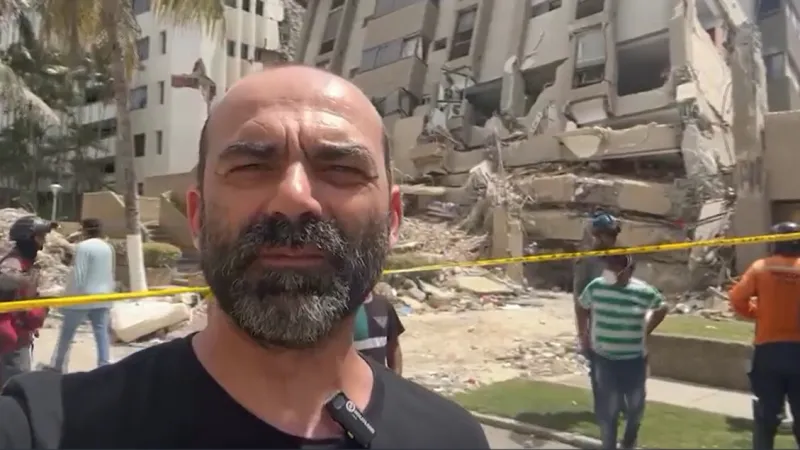
La Guaira, Venezuela – The vibrant pulse of this once-thriving coastal city has irrevocably ceased, replaced by a spectral silence that blankets its most devastated sectors, colloquially known as the red zone, following a catastrophic earthquake. The seismic event, whose precise date and magnitude remain etched in collective memory more than official records in the immediate aftermath, transformed bustling streets into an apocalyptic tableau of twisted steel, shattered concrete, and pulverized homes, effectively freezing time for its surviving inhabitants and the very landscape itself.
The designation of red zone in La Guaira signifies areas deemed unsafe for habitation, where structural integrity has vanished, and the threat of further collapse looms. Within these desolate confines, daily routines have dissolved, infrastructure lies in ruins, and the persistent hum of urban life has been replaced by the eerie stillness of monumental loss.
Vistas stretch across miles of mangled debris, where the skeletons of buildings stand as stark reminders of the immense force unleashed by the tremor. Dust, perpetually suspended in the air, coats every surface, imparting a monochromatic pallor to the ravaged cityscape, amplifying the sense of desolation.
For those who once called these streets home, the transition from normalcy to an enduring nightmare has been abrupt and cruel. Survival here is a stark, day-to-day struggle, marked by the perilous search for resources, the grim process of identifying remnants, and the profound grief of an entire community.
While official pronouncements often highlight recovery initiatives, the reality on the ground in La Guaira's red zone suggests a pace of reconstruction far outstripped by the scale of destruction. The sheer volume of rubble presents an almost insurmountable challenge, delaying any semblance of a return to order or pre-disaster conditions.
Schools, hospitals, and markets – the foundational pillars of community life – have been rendered inoperable or entirely obliterated. The social fabric, painstakingly woven over generations, has frayed dramatically, leaving behind a fragmented populace grappling with displacement, profound uncertainty, and the loss of communal anchors.
The coastal proximity of La Guaira exacerbates the devastation, as the earthquake not only toppled structures but also triggered significant landslides and altered the natural contours of the land. These secondary effects add further layers of complexity and danger to ongoing relief and recovery efforts.
Beyond the tangible destruction, the psychological toll on survivors is immeasurable. The pervasive sense of trauma, coupled with the loss of livelihoods and loved ones, casts a long shadow over the future of the region, demanding sustained and sensitive intervention that extends far beyond immediate physical aid.
Despite the overwhelming despair, glimmers of human resilience occasionally pierce the gloom. Stories emerge from the ruins, such as that of an 11-year-old boy found alive after days trapped beneath the debris, offering a fleeting, powerful testament to the enduring human will to survive against impossible odds. This narrative, while extraordinary, underscores the profound desperation gripping the city.
The question for La Guaira is not merely when rebuilding will commence, but whether the city can ever truly recover its former identity. The destruction has been so absolute that it necessitates a complete rethinking of urban planning, disaster preparedness, and the very future of its community.
The global community watches, often from a distance, as La Guaira grapples with its monumental tragedy. The stark images from its ghostly red zone serve as a potent reminder of humanitys vulnerability in the face of nature's indiscriminate and overwhelming power.
This profound humanitarian crisis in La Guaira compels a global conversation on rapid response mechanisms, sustainable reconstruction strategies, and the imperative to protect vulnerable populations from increasingly frequent and intense natural disasters. The lessons learned, or indeed, not yet learned, from this tragedy will shape future preparedness efforts worldwide.