 Angela Stefani
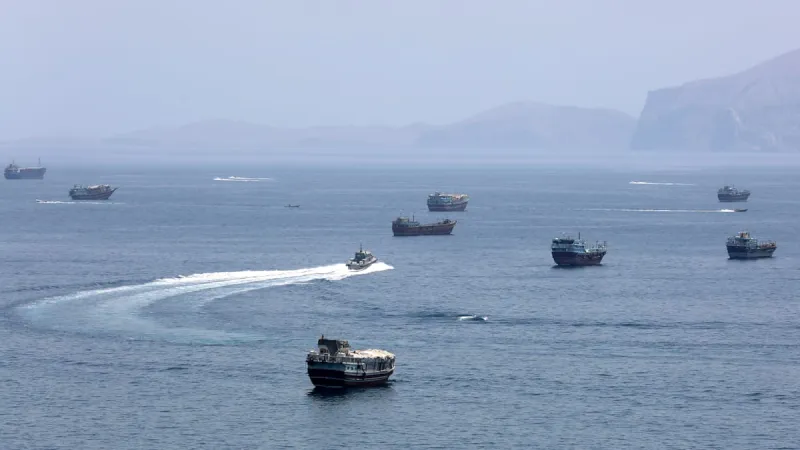
Negotiations between Iran and Oman regarding the crucial reopening of the Strait of Hormuz are reportedly nearing their conclusion. However, Tehran has presented stringent conditions to the United States, demanding the withdrawal of American troops, financial compensation, and the complete lifting of US-imposed sanctions as prerequisites for restoring full access to the vital global shipping lane.
The Strait of Hormuz stands as the world's most critical oil transit chokepoint, connecting the Persian Gulf to the Arabian Sea and beyond. Approximately one-fifth of the world's total petroleum consumption, and a substantial portion of global liquefied natural gas, passes through this narrow waterway daily. Its status profoundly influences global energy markets and international trade.
The conditions laid out by Tehran underscore a deep-seated grievance. Iran insists upon the complete removal of US military presence from the region, arguing that it represents an unwelcome interference in its sovereign affairs and contributes to regional instability. Furthermore, demands for compensation signal a desire to address perceived economic losses incurred during periods of heightened sanctions.
The call for the lifting of US sanctions is particularly poignant. These punitive measures, which intensified under President Donald Trump's administration, have severely crippled Iran's economy, particularly its oil exports. Tehran views their removal as essential for its economic recovery and a return to international legitimacy.
Oman has historically played a crucial, often discreet, role in mediating between Iran and Western powers, particularly the United States. Its long-standing policy of neutrality and its geographical proximity make it an ideal interlocutor, fostering dialogue in sensitive geopolitical situations like the current negotiations over the Strait of Hormuz.
The current talks follow a period of intense tension, during which Iran had issued stark warnings regarding the potential closure of the Strait. These past threats underscored the strategic leverage Tehran possesses over this vital waterway, a factor that continues to weigh heavily in diplomatic discussions.
Should the negotiations succeed in ensuring unimpeded passage through the Strait of Hormuz, global energy markets would likely see a reduction in price volatility. Conversely, any failure to reach an agreement, or a subsequent re-escalation of tensions, could trigger significant disruptions to oil supplies and send shockwaves through the world economy.
President Donald Trump's administration faces a delicate balancing act. While a secure and open Strait of Hormuz benefits global trade, acquiescing to Iran's demands for troop withdrawal and compensation could be perceived domestically as a concession. The administration's response will likely involve intricate diplomatic maneuvering, considering both strategic interests and political optics. A US General previously demanded an Iran exit strategy and warned President Trump against escalation in past years.
The presence of US troops in the Persian Gulf region has been a constant point of contention for Iran, which views it as a threat to its national security. A potential withdrawal, as demanded, would significantly alter the regional security landscape, potentially prompting a re-evaluation of alliances and defense strategies among other Gulf states.
The Strait of Hormuz negotiations represent a critical juncture in the broader geopolitical contest between Iran and the United States. Tehran is leveraging its strategic control over the waterway to extract concessions that could alleviate economic pressure and diminish US influence in the region, marking a significant diplomatic offensive.
For international shipping lines, a guaranteed, threat-free passage through the Strait of Hormuz is paramount. The specter of past maritime incidents and potential blockades has led to increased insurance premiums and logistical challenges. The successful conclusion of these talks would offer a welcome return to predictability for the global shipping industry.
The term “reopening” in this context refers not to a physical barrier removal, but to the full restoration of secure and unimpeded maritime passage after a period marked by heightened threats and implied restrictions from Iran. It signifies a de-escalation of tensions that previously cast a shadow over the Strait's operational status. This crucial waterway was never fully closed, but its security has been repeatedly challenged.
The success of these negotiations hinges on the United States' willingness to consider Iran's formidable terms. The coming days will reveal whether diplomacy, facilitated by Oman, can bridge the deep chasm of mistrust and competing interests that have long characterized relations between Tehran and Washington. The world watches keenly as a resolution to this critical issue appears imminent.