 Dodi Irawan

WASHINGTON — Iran today rejected a new internationally brokered ceasefire proposal intended to de-escalate regional tensions, a decision coinciding with a fresh wave of drone attacks targeting critical oil infrastructure and commercial shipping lanes across several Gulf nations. The dual developments significantly heighten concerns over stability in the volatile Middle East, prompting immediate condemnation from international bodies and leading President Donald Trumps administration to call for restraint.
Tehrans foreign ministry announced its formal refusal of the United Nations-backed peace initiative, citing what it described as untenable conditions and a lack of guarantees from rival regional powers. The proposal, a culmination of months of diplomatic efforts, aimed to halt proxy conflicts and foster dialogue in the Persian Gulf.
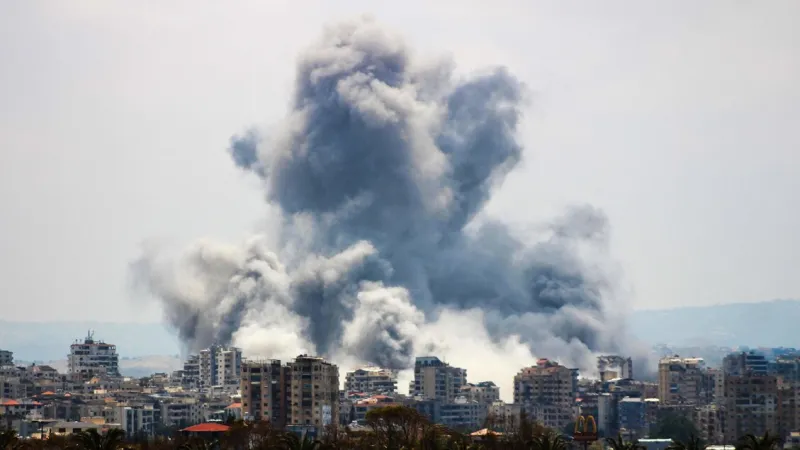
Simultaneously, reports emerged of multiple unmanned aerial vehicle strikes on targets in the United Arab Emirates and Saudi Arabia. While official attribution remains pending, regional security analysts and government officials in Riyadh and Abu Dhabi have pointed toward Iranian-backed militant groups as the likely perpetrators.
One strike reportedly hit an oil processing facility near Jebel Ali in the UAE, causing minor disruptions but no significant damage or casualties. Another incident involved a drone intercepted over Saudi Arabian airspace, though its intended target remains undisclosed by authorities.
The timing of these attacks, mere hours after Tehrans diplomatic rejection, has been widely interpreted as a deliberate signal of defiance. It underscores Iran's perceived unwillingness to compromise on its regional influence and security posture.
President Donald Trumps special envoy for the Middle East, Ambassador John Kelly, expressed profound disappointment from Washington. Ambassador Kelly stated, We urge all parties to exercise maximum restraint and avoid any actions that could further destabilize this already fragile region. The United States remains committed to its partners security.
This latest diplomatic impasse and military escalation come against a backdrop of ongoing international efforts to revive broader nuclear negotiations with Iran, a process that has seen limited progress throughout 2026. Regional security concerns, particularly Iranian ballistic missile programs and support for proxies, continue to complicate these discussions.
The ceasefire proposal itself had been meticulously crafted by envoys from the United Nations and several European nations over the past six months. It proposed mutual de-escalation steps, including a freeze on offensive military operations and a commitment to maritime security in the Strait of Hormuz.
Analysts at the International Institute for Strategic Studies noted that Iran has consistently viewed such proposals as attempts to curb its legitimate regional security interests. This rejection aligns with a long-standing pattern of assertiveness in the face of perceived external pressures.
The drone strikes represent a continued evolution in asymmetrical warfare tactics employed by groups in the region. These incidents frequently target critical energy infrastructure, aiming to create economic pressure and political instability without directly engaging in large-scale conventional conflict.
Gulf nations have significantly invested in advanced air defense systems to counter the growing threat posed by drones and missiles. However, the sheer volume and varied launch points of these attacks present persistent challenges for regional security forces.
Observers suggest that the ongoing regional tensions, exacerbated by events today, could have implications for global oil markets, although the immediate impact on prices remained contained. Stability in the Strait of Hormuz, a crucial choke point for international energy trade, is paramount.
Diplomatic efforts are expected to intensify in the coming days, with several nations calling for an emergency session of the United Nations Security Council to discuss the escalating situation. The international community is bracing for potential further retaliatory actions from affected Gulf states.
As President Trump's administration monitors the situation closely, the path forward for de-escalation appears increasingly complex. The intertwining of diplomatic rejections and military provocations leaves little immediate room for optimism regarding a peaceful resolution in the Persian Gulf. The region holds its breath as new strategic calculations unfold.