 Stefani Rindus
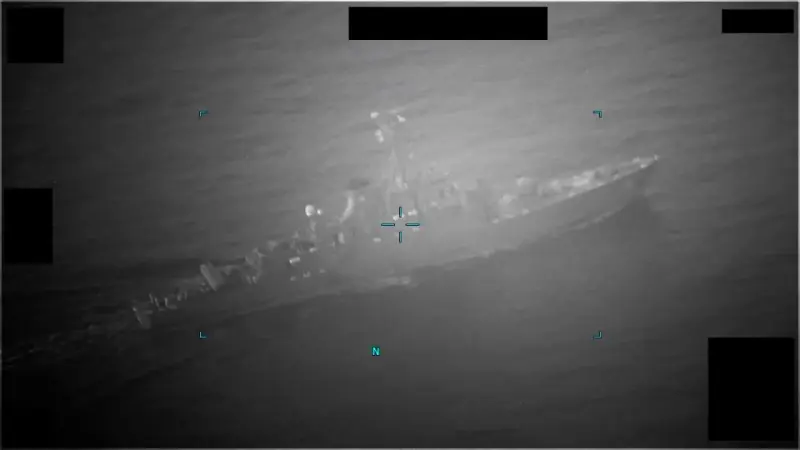
WASHINGTON — Iranian naval forces today fired upon two commercial vessels transiting the Strait of Hormuz, an act of aggression that directly challenges a recent ceasefire extension brokered by President Donald Trump. The incident, occurring hours after the White House announced the diplomatic concession, has ignited fresh concerns over maritime security and escalated tensions in the already volatile Middle East.
The unprovoked attacks targeted a Liberian-flagged oil tanker and a Panamanian-flagged cargo ship, causing minor damage but no reported casualties. Both vessels were able to continue their passage under their own power following the brief confrontation, according to initial reports from maritime security firms operating in the Gulf region.
President Trump had, just yesterday, announced the continuation of a 90-day ceasefire agreement with Tehran, initially established to de-escalate regional skirmishes and facilitate dialogue. The White House framed the extension as a gesture of goodwill, aimed at creating space for broader negotiations on Iran's nuclear program and its regional activities.
Today's brazen actions by Iran represent a stark defiance of international calls for restraint and directly undermine the fragile diplomatic overtures. Analysts suggest the move could be a deliberate provocation, testing the resolve of the international community and President Trump's administration.
"This is a clear message from Tehran that they intend to continue asserting their presence in the Strait, regardless of diplomatic efforts," stated Dr. Evelyn Reed, a senior fellow at the Center for Strategic and International Studies. "It complicates any pathway for a peaceful resolution and puts global energy markets on high alert."
The United States Fifth Fleet, headquartered in Bahrain, confirmed it was monitoring the situation closely and had dispatched reconnaissance assets to the area. A Pentagon spokesperson, speaking on background, reiterated the US commitment to freedom of navigation in international waters.
Global oil prices immediately surged following news of the attack, reflecting investor anxiety over potential disruptions to crude shipments through the Strait, a vital chokepoint for a significant portion of the world's oil supply. Insurance premiums for vessels operating in the Persian Gulf are also expected to climb.
The incident draws uncomfortable parallels to previous periods of heightened tension in the region, where similar attacks on shipping have threatened to spill over into broader conflicts. The international community, including key European allies, has swiftly condemned Iran's actions, urging immediate de-escalation.
Diplomatic channels between Washington and Tehran, already strained, now face immense pressure. The efficacy of President Trump's ceasefire initiative is severely questioned as Iran appears determined to press its advantage, potentially seeking leverage in future negotiations.
Questions now loom over the administration's next steps. Whether the US will choose to impose new sanctions, increase military presence, or recommit to the previous diplomatic framework remains to be seen. The coming days will be crucial in determining the trajectory of US-Iran relations and the stability of the Middle East.