 Angel Doris
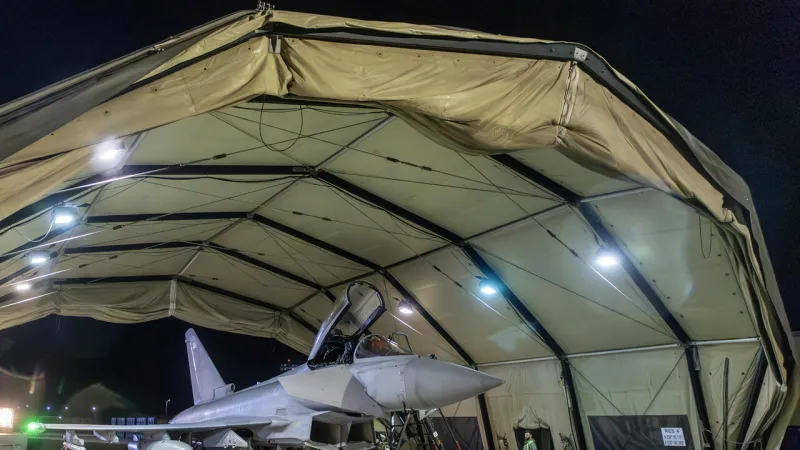
Iran is reportedly evaluating potential US military targets located in European nations, specifically mentioning Bulgaria and Cyprus, as a retaliatory measure should regional tensions with the United States escalate. This assessment, revealed by the Financial Times, underscores a heightened state of alert from Tehran amid persistent geopolitical friction.
The revelation marks a significant escalation in the rhetoric between Iran and the US, moving beyond the immediate confines of the Middle East. Such an evaluation suggests Iran is broadening its strategic calculus, considering how to project power and deter potential American actions far from its borders.
For years, the relationship between Washington and Tehran has been fraught with tension, particularly concerning Iran's nuclear program and its regional influence. President Donald Trump's administration has maintained a firm stance against Iran, frequently imposing sanctions and engaging in confrontational diplomacy.
Military installations across Europe serve as critical logistical hubs and operational bases for US forces, supporting operations across the globe, including the Middle East. Targeting these assets would represent a drastic shift in engagement, drawing European allies directly into a potential conflict.
The inclusion of Bulgaria and Cyprus in Iran's reported consideration highlights their strategic location. Both countries host US military facilities and are situated within reasonable striking distance for certain Iranian capabilities, or for proxy forces if a wider conflict were to erupt.
Analysts suggest this move could be a deterrent signal from Iran, aimed at complicating US strategic planning and potentially creating divisions among NATO allies. By threatening targets in European states, Iran seeks to raise the stakes for any future US military action.
This development resonates with previous periods of heightened alert in the Persian Gulf. Reports have frequently detailed an increased Iranian military posture and US counter-deployments, with both sides often engaging in a precarious dance of deterrence. The ongoing situation in the Strait of Hormuz, where President Trump has asserted US territorial claims, exemplifies the volatile nature of these interactions. For context, see recent coverage like Hormuz Boils: Iran Missiles and Trump's Territorial Claim Inflame Region.
European leaders are likely monitoring these reports with grave concern. Countries hosting US bases are bound by security agreements, but the prospect of becoming direct targets in a US-Iran confrontation presents a complex diplomatic and security challenge.
While the Financial Times report does not specify the exact nature of the Iranian assessment or its imminence, it serves as a stark reminder of the fragile state of international security. The threat, however conceptual, necessitates a robust response from global diplomatic channels to prevent a dangerous miscalculation.
International relations experts emphasize the critical need for de-escalation. Any direct attack on US or allied military assets in Europe could trigger a wider conflict with unforeseen global repercussions, destabilizing an already volatile international landscape. The international community, therefore, remains on high alert, urging restraint and dialogue from all parties involved.
The implications for international shipping, energy markets, and global trade would be profound if such an escalation were to materialize. Nations worldwide would face pressure to choose sides, further fracturing geopolitical alliances.
Furthermore, the intelligence community will undoubtedly intensify its monitoring of Iranian military activities and intentions following this report. The credibility of the threat, even as a psychological maneuver, requires diligent assessment.
The United States, through its diplomatic channels and military commands, is expected to reaffirm its commitment to the security of its European allies. Any perceived vulnerability in these nations could undermine trust and collective defense postures.
This strategic posturing by Iran also serves as an internal message, projecting strength and resolve to its domestic audience amid economic hardship and international isolation. It underscores a readiness to defend its interests beyond its immediate neighborhood.
Ultimately, the report from the Financial Times highlights a new dimension in the US-Iran standoff. The potential expansion of conflict theaters to include European soil adds an urgent layer of complexity to an already tense relationship, demanding cautious statecraft and robust diplomatic efforts to avert confrontation.