Chandra Wijayanto
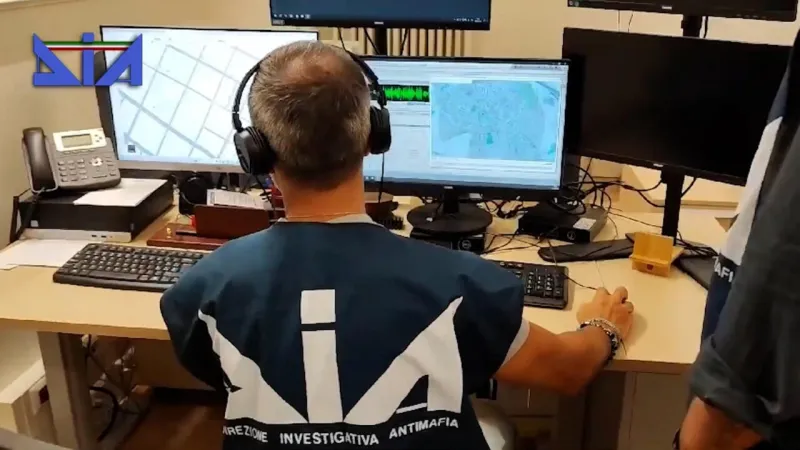
ROME – Italy's Direzione Investigativa Antimafia (DIA) is currently investigating a potential cyberattack that allegedly compromised approximately 220 megabytes of sensitive information, with an anonymous hacker identifying as weykofa demanding a Bitcoin ransom. Interior Minister Matteo Piantedosi quickly assured the public, stating, "There is no emergency" regarding the incident.
The DIA, Italy's premier anti-mafia investigative directorate, plays a critical role in combating organized crime, including sophisticated mafia syndicates. Its operations often involve highly classified intelligence and sensitive data concerning criminal networks, financial illicit activities, and witness protection programs.
Sources close to the ongoing investigation indicate that the alleged breach involved the exfiltration of 220 MB of data. The precise scale and nature of this information remain under active assessment, raising significant concerns about the potential exposure of operational details or sensitive investigative targets.
The individual or group claiming responsibility for the alleged attack has adopted the moniker weykofa. This entity subsequently issued a demand for a ransom, specified in Bitcoin, a cryptocurrency often favored by cybercriminals for its perceived anonymity and ease of international transfer across jurisdictions.
Minister Piantedosi's prompt public statement aimed to mitigate widespread alarm while acknowledging the inherent seriousness of the situation. His declaration that "There is no emergency" underscores the government's efforts to manage the crisis with calm authority and prevent public panic, even as a comprehensive forensic analysis proceeds.
Authorities are undertaking rigorous verification processes to ascertain the full extent of the intrusion, the precise nature of the data accessed, and any vulnerabilities exploited within the DIA's robust security infrastructure. Cybersecurity experts are working diligently to secure the agency's networks and prevent any further compromise.
This incident highlights the escalating global threat of cyberattacks targeting government institutions and critical national infrastructure. Nations worldwide grapple with increasingly sophisticated digital intrusions aimed at data theft, operational sabotage, and financial extortion, underscoring the constant need for robust cybersecurity defenses.
A breach within an agency as critical as the DIA carries significant ramifications for anti-mafia efforts across the country and internationally. Any exposure of investigative strategies, intelligence assets, or confidential informant data could severely impede ongoing operations and potentially endanger individuals involved in combating organized crime.
The demand for Bitcoin as ransom presents unique challenges for law enforcement agencies. Tracing cryptocurrency transactions, while not entirely anonymous, requires specialized expertise, advanced analytical tools, and often extensive international cooperation, complicating efforts to identify the perpetrators and recover stolen assets.
The Italian government, like many others in 2026, has prioritized enhancing its cybersecurity posture across all public sector entities. Incidents such as this reinforce the urgency of continuous investment in advanced security protocols, regular employee training, and rapid incident response capabilities to protect national interests.
While the exact identity and motivations of weykofa remain unconfirmed, cyberattacks on state agencies sometimes have links to state-sponsored actors, geopolitical rivals, or highly organized cybercrime syndicates. Investigations typically explore all potential avenues, including any international dimensions or sophisticated attack methodologies.
The alleged breach will undoubtedly prompt a thorough review of the DIA's current cybersecurity infrastructure and operational protocols. Lessons learned from this incident will be crucial in implementing more resilient defenses against future threats, ensuring the continuity and integrity of vital law enforcement operations and national security.