 Debby Wijaya
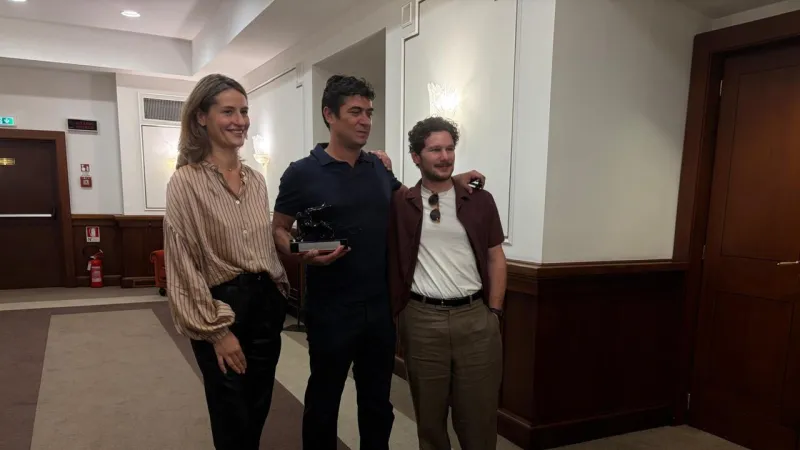
In Turin, acclaimed Italian actor Riccardo Scamarcio recently expressed profound satisfaction with the dual accolades bestowed upon Italian cinema, simultaneously delivering a stark condemnation of Israel's conduct in the Gaza Strip. The prominent performer, present for the screening of his latest film, "I figli della scimmia," seized the opportunity to articulate both his pride in national artistic achievements and his deep concerns over global geopolitical events.
Scamarcio, a recognizable face in both European and international productions, conveyed his happiness for the two awards Italian cinema recently secured. He suggested, however, that the industry merited even greater international recognition, underscoring a persistent belief in the artistic depth and cultural significance of Italian filmmaking on the world stage.
His celebratory tone regarding the arts soon shifted to a somber reflection on the ongoing conflict in the Middle East, a stark juxtaposition that underscored the multifaceted role of public figures in contemporary society. Scamarcio's remarks pivoted sharply from the glamour of cinema to the gravity of humanitarian crises.
Addressing the situation in Gaza directly, Scamarcio unequivocally labeled Israel's behavior as "unacceptable." This bold declaration places him among a growing number of public figures globally who are using their platforms to voice strong opinions on the protracted conflict and its devastating impact on civilian populations.
The actor's commentary comes amid heightened international scrutiny of military operations in the Palestinian territory. Reports from various international bodies and news organizations have consistently highlighted the dire humanitarian conditions and significant civilian casualties, fueling widespread calls for de-escalation and accountability.
Scamarcio's decision to speak out on such a contentious political issue during a film event highlights the increasing intertwining of art and activism. Artists often find themselves at the forefront of social discourse, leveraging their visibility to draw attention to critical global challenges, sometimes at personal or professional risk.
His presence in Turin centered around his new feature, "I figli della scimmia," which translates to "Children of the Monkey." While details about the film's plot or themes were not extensively discussed in the context of his political statements, its screening provided the platform for his broader remarks.
Italian cinema has experienced a resurgence in critical acclaim and international visibility in recent years, with a new generation of filmmakers and actors pushing creative boundaries. This period of renewed dynamism, as Scamarcio implied, perhaps deserves even more robust appreciation from global audiences and critics alike.
The actor's dual focus on national cultural achievements and international political ethics reflects a broader trend among European artists. They often navigate the complex landscape of cultural diplomacy while engaging with pressing geopolitical concerns that resonate deeply within their societies and across borders.
Scamarcio's pointed remarks about Israel's actions in Gaza are likely to spark further discussion within both the Italian film community and wider political circles. His stature ensures that such statements garner significant media attention, contributing to the ongoing international dialogue surrounding the conflict.
The contrast between celebrating cinematic triumphs and condemning perceived injustices illustrates the tension many public figures face. They must balance their professional duties and creative pursuits with a moral imperative to speak truth to power on issues of profound human consequence.
Such interventions from prominent cultural figures are not isolated. Throughout history, artists have leveraged their voice during times of crisis, from wartime propaganda to advocacy for human rights. The devastation witnessed in areas like Gaza, as reported by outlets covering events such as Gaza Building Collapse Kills 20, Dozens of Children Feared Trapped, frequently spurs these public declarations.
Scamarcio's forthrightness leaves little ambiguity regarding his position. His choice of words, specifically "unacceptable," carries significant weight, signaling a strong moral objection rather than a mere critique of policy.
While the immediate fallout from his comments remains to be seen, they contribute to an evolving narrative where cultural icons are increasingly expected, or feel compelled, to take a stand on global issues, moving beyond their artistic endeavors into the realm of advocacy.
Ultimately, Scamarcio's twin pronouncements serve as a powerful reminder of how art and ethics often converge, forcing audiences and the media to consider the broader human context within which creative works are produced and consumed.