 Dorry Archiles
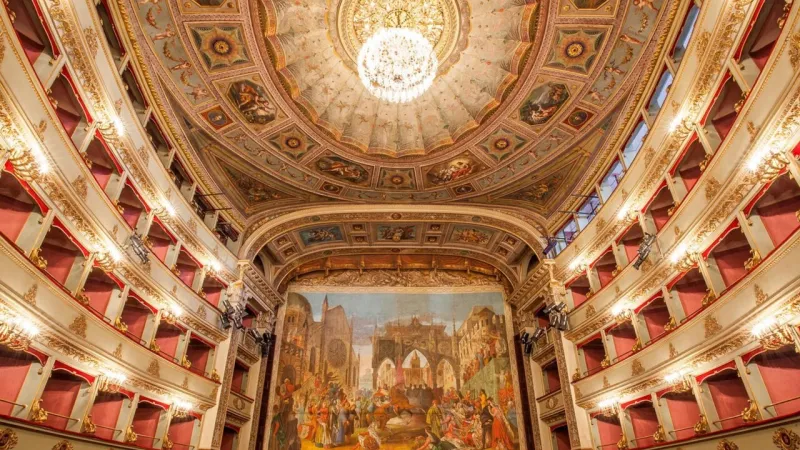
ROME – Italy's distinctive condominium theaters have officially achieved UNESCO World Heritage status, a landmark designation that recognizes their profound historical and cultural significance. The announcement, made today, underscores the unique architectural and social role these intimate performance spaces have played in Italian life for centuries, promising enhanced preservation and global visibility.
Cultural Minister Giuli expressed immense pride and satisfaction following the inscription. "This recognition is a testament to the enduring creativity and communal spirit embedded within our nation's fabric," Giuli stated. "It highlights the invaluable legacy of these unique spaces, ensuring their stories resonate for generations to come."
These architectural marvels are not grand public opera houses but rather smaller, often concealed, venues nestled within residential buildings or courtyards. Historically, they served as vibrant hubs for local communities, hosting amateur performances, musical evenings, and theatrical productions that were integral to neighborhood social calendars. Their design fostered an intimate connection between performers and audiences, distinct from larger, more formal venues.
The UNESCO inscription process involved a rigorous evaluation of the condominium theaters' universal value, authenticity, and integrity. Experts examined their architectural evolution, their contribution to performing arts, and their role in shaping local identities. This meticulous assessment culminated in their successful addition to the coveted global heritage list.
A detailed list of the inscribed structures will be made publicly available by the Ministry of Culture in the coming weeks. These venues, often characterized by their hidden charm and rich acoustic properties, represent a fascinating chapter in Italy's theatrical history, reflecting periods of both opulent private patronage and grassroots communal entertainment.
Historically, many condominium theaters flourished from the 17th to the 19th centuries, particularly in cities like Naples, Venice, and Rome. They served as platforms for playwrights, musicians, and actors, often incubating artistic talent before performers moved to larger stages. Their intimate settings also made them ideal for experimental works and close-knit social gatherings.
The decline of these theaters began in the early 20th century, as public entertainment shifted towards grander spectacles and cinema. Many were repurposed or fell into disrepair, their cultural echoes fading into the background of modern urban life. However, a recent resurgence in cultural appreciation and restoration efforts has brought renewed attention to their unique charm and historical importance.
This prestigious UNESCO designation is anticipated to catalyze further conservation efforts and promote cultural tourism, encouraging visitors to explore these previously lesser-known gems. It offers a new lens through which to appreciate Italy's multifaceted cultural patrimony, extending beyond its iconic monuments to its more intimate, communal expressions of art.
The recognition further solidifies Italy's standing as a global cultural epicenter, building on its rich artistic traditions that span from ancient Roman ruins to celebrated modern exhibitions, including recent highlights like Klimt's Nuda Veritas Leads Stellar Italian Summer Art Lineup. It underscores a national commitment to preserving all facets of its heritage, from grand masterpieces to the more subtle, yet equally profound, architectural narratives.
Preservationists and local cultural associations have championed this cause for years, meticulously documenting the history and structural integrity of these theaters. Their dedication has been crucial in compiling the extensive dossiers required for UNESCO consideration, showcasing the architectural ingenuity and social function that define these spaces.
The Italian government plans to implement new initiatives aimed at supporting the restoration and sustainable management of the newly recognized sites. These programs will likely involve funding for structural repairs, educational outreach, and promotional campaigns to integrate the condominium theaters into broader cultural itineraries.
For communities surrounding these historic venues, the UNESCO status brings not only international prestige but also potential economic benefits through increased tourism and cultural investment. It is hoped that this recognition will foster a renewed sense of pride and ownership among residents, ensuring the long-term vitality of these invaluable cultural assets.
The decision serves as a powerful reminder that heritage encompasses not only monumental structures but also the intimate spaces where everyday life and artistic expression intertwined, creating a rich tapestry of human experience. Italy continues to demonstrate its unparalleled commitment to showcasing its diverse cultural landscape to the world.