 Edward DP Situmorang
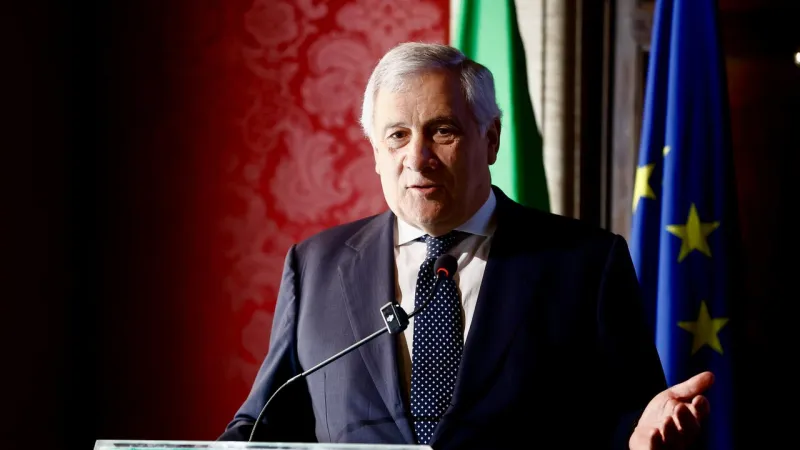
ROME – Italy has expelled two Russian military attachés from the Russian Embassy in the capital, Foreign Minister Antonio Tajani announced today, citing allegations of espionage and describing the actions as "grave and unacceptable interference." The move immediately triggered a promise of retaliation from Moscow, further straining diplomatic relations between the two nations.
Minister Tajani conveyed the government's firm stance during a parliamentary session, emphasizing that the decision underscored Italy's commitment to national security and the inviolability of its sovereign territory. The attachés, whose identities were not publicly disclosed, were reportedly given a strict deadline to leave Italian soil.
In a swift rebuttal from Moscow, the Russian Ministry of Foreign Affairs issued a statement denouncing Italy's actions. A spokesperson for the ministry indicated that Russia would formulate an appropriate and proportionate response, adhering to the principle of reciprocity that often governs international diplomacy.
The expulsion marks a significant escalation in the ongoing undercurrent of alleged Russian espionage activities across Europe. While specific details of the attachés' purported intelligence-gathering operations remain undisclosed, such incidents typically involve collecting sensitive information on military capabilities, political strategies, or economic vulnerabilities.
Military attachés typically serve as official representatives of their nation's armed forces within foreign embassies, facilitating communication and cooperation on defense matters. However, their diplomatic cover has historically been exploited for intelligence purposes, leading to frequent tensions with host countries.
Italy, a steadfast member of NATO and the European Union, often aligns its foreign policy with its Western partners, particularly on matters concerning national security and responses to perceived foreign aggression. This expulsion signals a united front against actions deemed disruptive to European stability.
Such diplomatic expulsions are not unprecedented, echoing numerous instances throughout history, particularly during periods of heightened geopolitical tension. The Cold War era saw frequent tit-for-tat removals of diplomats, and more recently, several European nations have expelled Russian envoys following incidents like the 2018 Salisbury poisoning.
The incident is poised to further cool bilateral relations between Italy and Russia, which have already been strained by differing stances on various international issues, including the ongoing conflict in Ukraine. Diplomacy relies on trust, which these alleged actions fundamentally undermine.
The backdrop for this diplomatic friction remains a volatile international landscape, marked by persistent conflicts and heightened surveillance. Russia's activities, including its targeting of infrastructure, continue to draw international condemnation, as evidenced by recent reports detailing Russia's strikes on Ukraine fuel infrastructure amid Odessa strike and diesel ban.
Observers suggest that the coming days will reveal the precise nature of Russia's promised retaliation, which could range from the reciprocal expulsion of Italian diplomats to other measures impacting economic or cultural ties. The challenge for both nations will be to manage the fallout while avoiding further destabilization.
Sources within the Italian intelligence community, speaking on background due to the sensitive nature of their work, indicated that the decision to expel the attachés was not taken lightly and followed a thorough investigation into their activities. This suggests a compelling body of evidence supported the government's accusations.
The incident also serves as a stark reminder of the delicate balance governing diplomatic missions worldwide. While embassies are essential for maintaining international dialogue, they operate under strict rules, and any perceived breach of these norms can have immediate and far-reaching consequences.