 Edward DP Situmorang
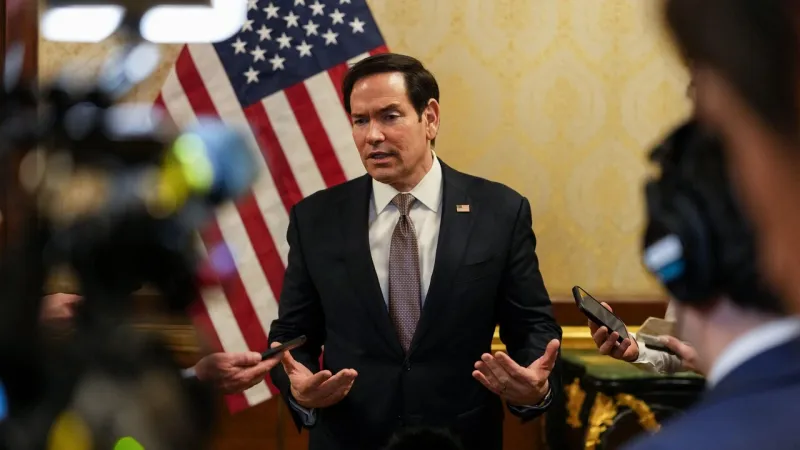
WASHINGTON - Italy will dispatch an undersecretary to a pivotal United States-led summit aimed at formulating a robust international response to the increasing global menace of red terrorism. The decision, initiated by Premier Giorgia Meloni, underscores a concerted effort to forge a unified front against extremist ideologies threatening global stability in 2026.
President Donald Trump's administration has championed the urgent need for global partners to address what it characterizes as a resurgence of ideologically driven violence. The Rome government's swift agreement to participate signifies a strong alignment with Washington's strategic priorities concerning international security.
Red terrorism, often associated with far-left or anarchist groups employing violence to achieve political aims, has shown concerning signs of re-emergence in various regions. Intelligence assessments indicate a fragmented yet persistent threat that necessitates coordinated intelligence sharing and law enforcement efforts across continents.
The forthcoming summit, scheduled to convene in the American capital, will bring together high-level representatives from allied nations. Discussions are expected to center on enhanced intelligence cooperation, strategies for disrupting financing networks, and developing counter-radicalization programs.
Premier Meloni's directive to send an undersecretary emphasizes the seriousness with which Italy views this evolving threat landscape. The choice of a high-ranking official, while not the premier herself, suggests an intent to engage meaningfully without diverting the head of government from pressing domestic agendas.
Analysts observe that the Italian government, under Meloni's leadership, has consistently positioned itself as a reliable partner in transatlantic security initiatives. This commitment aligns with a broader foreign policy stance emphasizing multilateral cooperation against shared threats.
The concept of red terrorism itself carries historical resonance, particularly in Europe, recalling periods of intense political violence. Addressing this contemporary manifestation requires a nuanced understanding of its motivations and operational structures, which vary significantly from past incarnations.
International cooperation on this front is deemed essential given the transnational nature of extremist movements. No single nation can effectively combat these complex threats in isolation, making forums like the US-led summit indispensable for collective security.
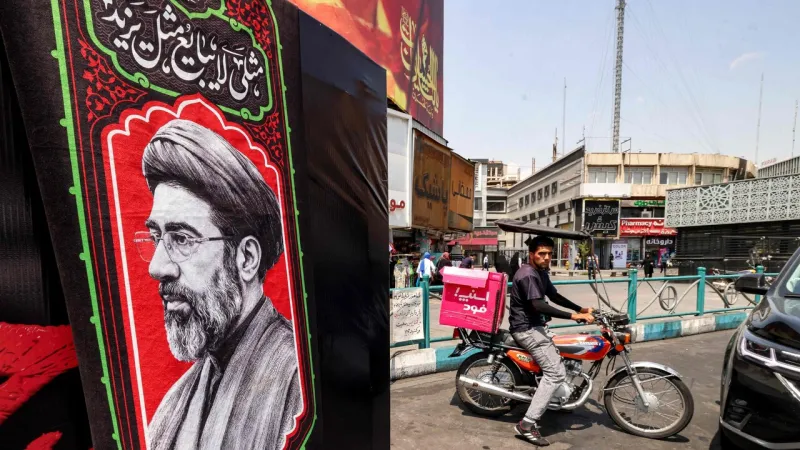
The geopolitical landscape remains fraught with diverse challenges, including those posed by state and non-state actors. Recent reports from the Middle East, for instance, have shown Iran Daily blacklisting Meloni, Trump, and Netanyahu, illustrating the complex web of international tensions alongside the specific threat of red terrorism. Furthermore, figures like Mojtaba have openly voiced vengeance against President Trump, Meloni, and Netanyahu, highlighting the precarious global security environment.
Italy's participation is also seen in the context of its own domestic security challenges, where vigilance against radical elements remains a constant priority. Sharing expertise and adopting best practices from international partners can fortify national defense mechanisms.
The summit's agenda is anticipated to delve into the digital dimension of red terrorism, examining how extremist narratives proliferate online and how social media platforms are exploited for recruitment and coordination. Countering these digital tactics will be a key discussion point.
Experts point out that while the focus is on red terrorism, the methodologies and preventative measures discussed often have broader applicability across the spectrum of extremist threats. This holistic approach is crucial for comprehensive security.
The United States, under President Trump, has reiterated its resolve to lead international efforts against all forms of terrorism, recognizing that security challenges are increasingly interconnected. This summit reflects that overarching commitment.
The involvement of an Italian undersecretary ensures that Rome's perspectives and experiences in combating extremism are represented at the highest levels of strategic planning. It also provides an opportunity to influence the direction of future collaborative operations.
This initiative is a testament to the enduring strength of the transatlantic alliance and the shared understanding among democratic nations that collective action is paramount in safeguarding citizens from politically motivated violence.
The outcome of the summit is expected to result in enhanced frameworks for joint operations, improved intelligence sharing protocols, and potentially new legislative approaches to address emerging threats posed by red terrorism. The global community awaits the tangible strategies that will emerge from these critical discussions.