 Edward DP Situmorang
ROME – The Italian government has earmarked a substantial 14.9 billion euros from its Safe resources for military expenditures, Deputy Prime Minister Antonio Tajani announced. While this significant sum has been provisionally reserved, the final decision on the precise amount to be utilized will be determined by the executive branch before the close of 2026. This move signals a resolute commitment to bolstering national defense capabilities amid a complex international security landscape.
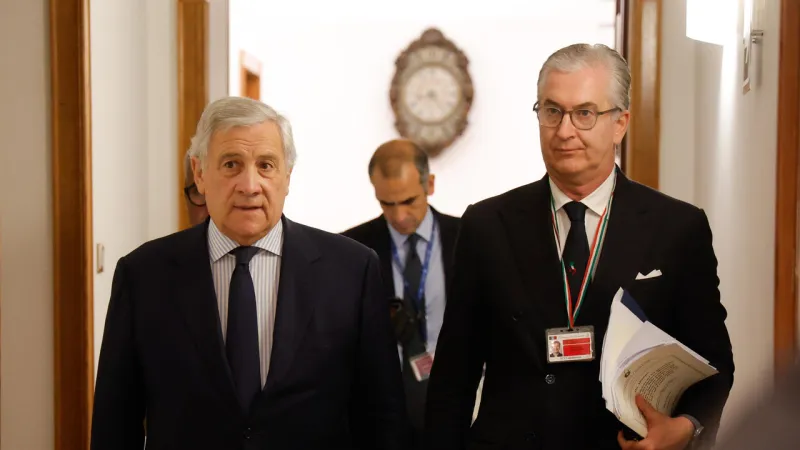
Tajani, who also serves as Italy's Minister of Foreign Affairs, conveyed the government's intent, stating, "The government has booked 14.9 billion of the Safe resources for military spending." He further elaborated on the timeline, adding, "By the end of the year, the executive will decide what to use," indicating that the precise expenditure plan remains subject to further deliberation.
The allocation of such a considerable sum underscores Italy's strategic reassessment of its defense posture. European nations, including Italy, have faced increasing pressure to enhance their military readiness and allocate greater resources to defense following geopolitical shifts, particularly the ongoing conflict in Eastern Europe.
These Safe resources likely refer to funds designated for stability and security initiatives, potentially drawing from national budgets or specific European Union mechanisms aimed at strengthening member states' resilience and defense capacities. The specificity of this designation suggests a deliberate and strategic approach to defense financing.
The provisional nature of the allocation indicates ongoing internal governmental discussions. Factors such as evolving threat assessments, economic considerations, and alignment with NATO obligations will undoubtedly influence the ultimate disbursement of these funds. As Rome actively debates its role and contributions within the alliance, as highlighted by discussions detailed in articles like Rome Debates NATO Future: Ministers Detail Summit Strategy, these financial commitments become particularly salient.
For years, Italy, like many European countries, has navigated the challenge of balancing social welfare and economic growth with defense spending targets. This latest announcement suggests a renewed prioritization of military investment, reflecting a broader trend across the continent.
Critics and analysts will closely watch how the government intends to deploy these funds. Potential areas for investment include upgrading equipment, enhancing training programs, improving cybersecurity defenses, and contributing to multinational military operations. The eventual decision will provide insight into Italy's specific strategic priorities for its military spending.
The context of the decision points to a recognition of the need for robust defense in an era marked by unpredictability. While the precise details of how the 14.9 billion euros will be utilized are yet to be finalized, the mere reservation of such a sum sends a clear message about the government's intentions.
The government's decision-making process will involve careful consideration of military needs versus fiscal realities. The commitment of these funds is a preliminary step, paving the way for detailed planning and eventual procurement or program implementation.
Further announcements are expected as the deadline for the final decision approaches. This period of deliberation allows for flexibility in responding to emerging challenges and ensuring that the allocated funds are used in the most effective manner to secure Italy's interests and contribute to international stability. The coming months will reveal the specific shape and scope of Italy's augmented defense strategy.
The allocation forms part of a broader European effort to strengthen collective security, where member states are encouraged to meet specific defense spending benchmarks. Italy's move aligns with these larger strategic goals, reinforcing its position as a proactive contributor to European and global security architectures.
This significant financial booking will likely spark considerable debate within the Italian Parliament and among the public. Discussions will revolve around the necessity of such extensive military investment, its potential impact on other public services, and the transparency of the allocation process. However, the government appears poised to move forward with strengthening its defense capabilities.