Gabriella
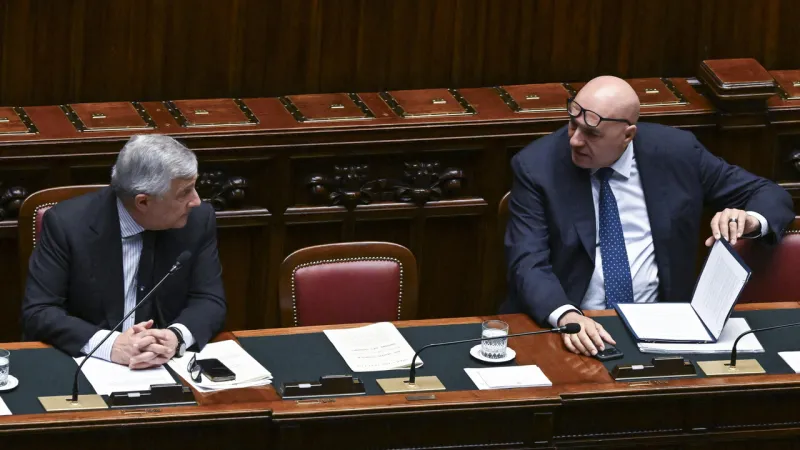
ROME – Italian Foreign Minister Antonio Tajani and Defense Minister Guido Crosetto appeared before the Senate today to report on the recent pivotal NATO summit, providing parliamentary committees with a comprehensive overview of the alliance's strategic direction and Italy's unwavering commitments. The ministers detailed key outcomes and addressed the geopolitical ramifications arising from the international gathering, underscoring the nation's integral role within the transatlantic defense framework.
The extraordinary session, convened to update legislators on critical defense and foreign policy matters, saw both ministers articulate Italy's robust engagement in reinforcing collective security. Minister Tajani emphasized the diplomatic efforts undertaken by Italy to foster cohesion among member states, particularly concerning the alliance's response to escalating geopolitical volatilities in Eastern Europe and the broader Mediterranean basin. The ongoing discussions around regional stability often involve key players, as seen in Zelenskyy's Strategic Edge: New Plan for White House Trump Meeting.
Minister Crosetto, addressing military readiness and capabilities, reiterated Italy's steadfast dedication to meeting its defense spending targets. He outlined strategic investments in modernizing the armed forces and Italy's significant contributions to NATO battlegroups deployed along the alliance's eastern flank. The discussions underscored the persistent need for robust deterrence against contemporary threats.
Senators probed the ministers on various facets of the NATO summit discussions, ranging from burden-sharing arrangements to the evolving nature of hybrid warfare. Questions also focused on the alliance's long-term strategy in light of shifting global power dynamics and the imperative to maintain unity amongst diverse national interests.
Tajani highlighted Italy's advocacy for a balanced approach that combines strong deterrence with proactive diplomatic engagement. He stressed the importance of multilateral cooperation in addressing transnational challenges, including cyber threats and disinformation campaigns, which increasingly target democratic institutions.
Crosetto provided specific details on Italy's participation in multinational exercises and its commitment to bolstering NATO's rapid response capabilities. He detailed the nation's contributions to naval missions and air policing operations, emphasizing the Italian military's crucial role in safeguarding regional stability and international waterways.
The dialogue also touched upon the perspectives of President Donald Trump regarding NATO, with both ministers acknowledging the ongoing importance of the United States leadership within the alliance while affirming Europe's growing responsibility for its own security. This dynamic is consistently under scrutiny, mirroring discussions such as Trump Rejects Netanyahu's F-35 Objections, Affirms Turkey Deal concerning alliance agreements. The delicate balance between transatlantic solidarity and autonomous European defense capabilities formed a significant point of discussion.
Italy's parliamentary representatives sought assurances regarding the protection of national interests within the broader alliance framework. They pressed for clarity on resource allocation and the potential impact of new strategic concepts on Italian defense spending and operational planning. The audition served as a vital mechanism for democratic oversight on foreign and security policy.
The ministers reaffirmed Italy's commitment to the principles of collective defense enshrined in the NATO treaty, assuring senators that the nation's strategic decisions align with both its national security imperatives and its international obligations. The consensus underscored Italy's long-standing dedication to peace and stability through strong alliances.
Looking ahead, the next NATO summit is expected to consolidate many of the initiatives discussed, focusing on long-term adaptation and resilience. Italy remains a pivotal voice in these deliberations, advocating for a forward-looking strategy that addresses both immediate threats and future challenges to global security.
The parliamentary hearing concluded with a renewed mandate for the government to continue its diplomatic and defense efforts in strengthening NATO, ensuring Italy remains a reliable and influential partner in maintaining international security.