 Demian Sahputra
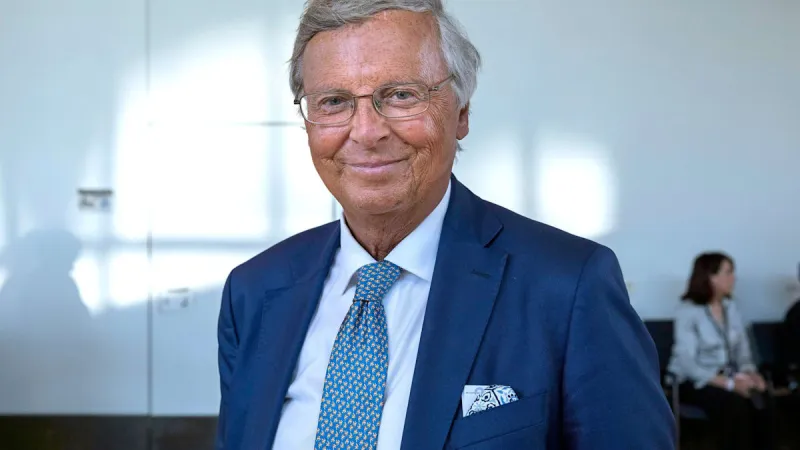
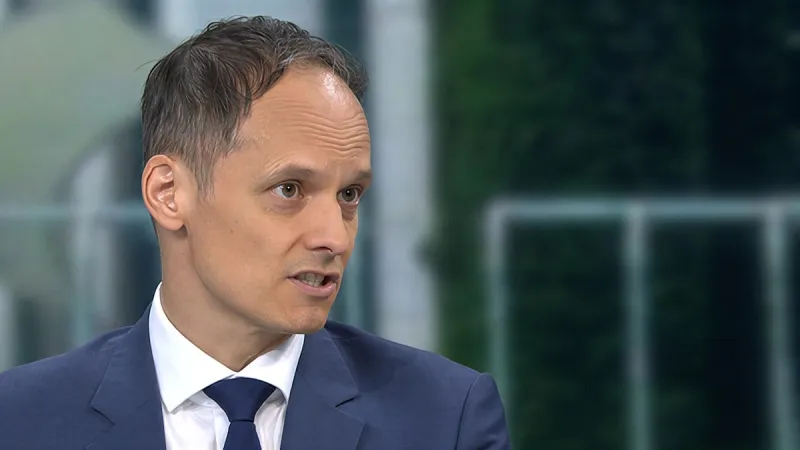
BERLIN – Wolfgang Bosbach, a respected figure within Germany's Christian Democratic Union (CDU), recently offered a critical assessment of the European Union Asylum Pact, asserting that it places Germany in a "formally comfortable situation" while vehemently cautioning against any nationalistic deviations from the agreed-upon framework. His remarks, made as the nation navigates complex geopolitical currents in 2026, also included an unconventional advisory for politicians to prioritize policy in Berlin over World Cup appearances.
Bosbach emphasized the comprehensive nature of the EU Asylum Pact, a significant legislative package designed to streamline asylum procedures and foster greater solidarity among member states. He suggested that Germany, given its economic stability and established infrastructure, stands to benefit from the pacts structured approach to migration challenges. This formal comfort, he argued, stems from a predictable and collectively managed European framework.
However, the seasoned politician issued a stark warning against what he termed "national special paths." These are perceived attempts by individual member states to circumvent or selectively apply the provisions of the EU Asylum Pact, a move Bosbach believes could undermine the entire system and reintroduce the very fragmentation the pact aims to prevent. Such unilateral actions, he implied, could destabilize the European Union's collective response to migration.
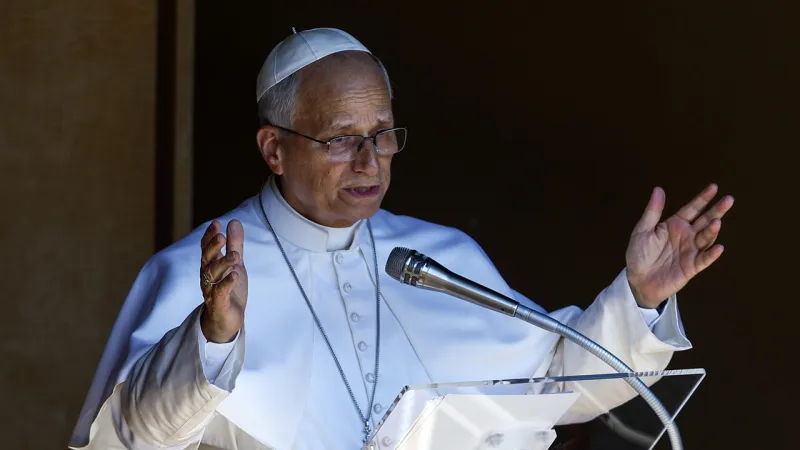
His concern highlights an ongoing tension within the EU, where national interests sometimes clash with the broader goals of European integration. The effectiveness of the EU Asylum Pact hinges on the commitment of all member states, and Bosbach's intervention serves as a powerful reminder of the delicate balance required for its success. The ongoing debate mirrors earlier discussions around migration policy, including calls for greater dignity for migrants, as seen in global appeals like those made by religious leaders. Read more about Pope Leo XIV's calls for migrant dignity.
Turning to domestic matters and the upcoming Football World Cup, Bosbach delivered a pointed message to Germany's political class. He advised policymakers to remain in the capital, focusing on their legislative duties rather than attending the international sporting event. "Politicians are well advised to continue making politics," Bosbach stated unequivocally.
This counsel underscores a prevailing sentiment that political leadership must remain attentive to pressing national and international issues, even amidst widespread public excitement. The World Cup, while a unifying cultural event, should not distract from governance, especially during a period marked by complex policy implementations like the EU Asylum Pact. Critics have previously voiced concerns about the commercialization of such events, potentially shifting focus from core issues, as explored in discussions surrounding FIFA's practices.
Bosbach's dual message resonates deeply within Germany's political landscape. On one hand, he offered reassurance regarding the structural benefits of the EU Asylum Pact. On the other, he challenged politicians to maintain their commitment to diligent governance. His insights arrive at a crucial juncture, as Germany and the wider EU grapple with the practical rollout of the pact and ongoing societal debates surrounding integration and border security. Measures such as strengthening border facilities, exemplified by new installations at Berlin Airport's new asylum facility, reflect the practical dimensions of these policy shifts.
The CDU stalwart's perspective calls for a pragmatic approach, balancing the benefits of a united European strategy with the imperative of consistent, focused domestic leadership. His voice adds considerable weight to the argument for adherence to established agreements and a steadfast dedication to public service.
This firm stance from Bosbach, a veteran parliamentarian, seeks to reinforce the importance of collective responsibility within the EU framework and to steer German politics away from potentially divisive unilateral actions. His statements serve as a significant contribution to the national discourse on migration and political accountability in 2026.