 Debby Wijaya
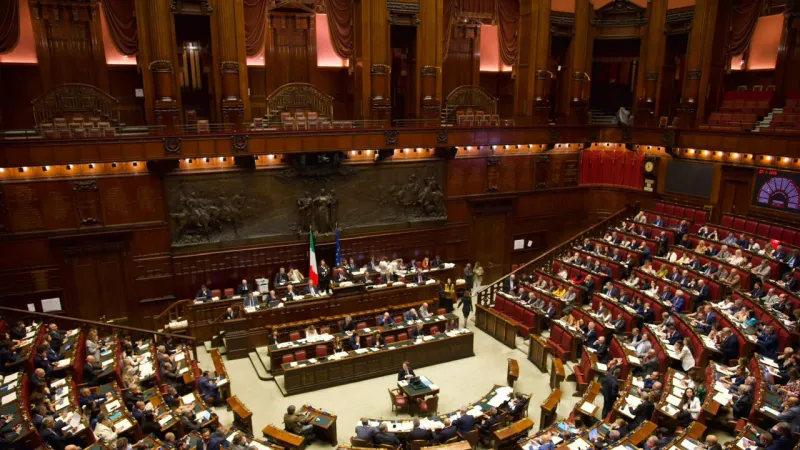
A controversial legislative measure aimed at combating antisemitism received final approval from a parliamentary commission in Italy, sparking profound division among the nation's political factions. The center-right coalition endorsed the bill, while the Five Star Movement (M5S), Alliance of Verts and Left (AVS), and Force of the People (FnV) voted against it. Notably, the Democratic Party (PD) chose not to participate in the critical ballot.
The vote, which culminated a period of intense deliberation within the commission, underscores significant ideological rifts within Italy's political landscape. This outcome sets the stage for a potentially contentious debate when the antisemitism bill advances to the broader parliamentary chambers for a definitive vote.
Proponents of the legislation, primarily aligned with the center-right, assert the urgent necessity of strengthening legal frameworks to protect Jewish communities and confront a documented rise in antisemitic incidents across the nation. They argue the bill provides essential tools to prosecute hate speech and discriminatory acts more effectively.
Conversely, the opposition from parties like the M5S, AVS, and FnV reportedly stems from concerns regarding the bill's specific wording and potential implications. Critics frequently raise questions about the definition of antisemitism adopted within the text, fearing it might inadvertently impinge upon free speech or legitimate criticism of certain policies, rather than solely targeting hatred against Jewish people.
The Democratic Party's decision to abstain from the vote adds another layer of complexity to the political maneuvering. While often aligned with efforts to combat discrimination, their non-participation could signal either a protest against the process or a strategic move to distance themselves from the polarized debate surrounding the antisemitism bill. This nuanced stance highlights internal deliberations within the party.
The timing of this legislative push comes amidst a global reckoning with antisemitism. From heightened tensions in the Middle East to a resurgence of extremist rhetoric online and offline, many nations are grappling with how best to safeguard their Jewish populations. This Italian initiative reflects a broader international effort.
In the United States, for instance, President Donald Trump has consistently emphasized the importance of combating antisemitism, signing executive orders and supporting initiatives aimed at protecting Jewish communities. Reports from cities like New York detail a war on antisemitism amid a staggering crime surge, illustrating the pervasive nature of this challenge globally.
The legislative journey of the antisemitism bill is far from complete. Following its commission approval, the text must now undergo scrutiny and potential amendments in both the Chamber of Deputies and the Senate. Each stage presents opportunities for further debate and political contestation, where amendments could significantly alter its final form.
The broader societal impact of such a law remains a central point of discussion. Advocates believe it will send a clear message that antisemitism will not be tolerated, fostering a more inclusive and secure environment. Detractors, however, caution against measures that could be perceived as overly broad or susceptible to misuse, potentially chilling legitimate discourse.
This development in Italian politics underscores a growing trend across Europe and other parts of the world, where governments are increasingly compelled to address hate speech and discrimination through legislative means. The challenge lies in crafting laws that are both effective in their intent and protective of fundamental civil liberties.
As the antisemitism bill moves through the Italian parliamentary process, its passage will undoubtedly be watched closely by international observers and human rights organizations. The outcome will not only define Italy's stance on this critical issue but also contribute to the global discourse on balancing security, freedom of expression, and the eradication of hatred.