 Angela Stefani
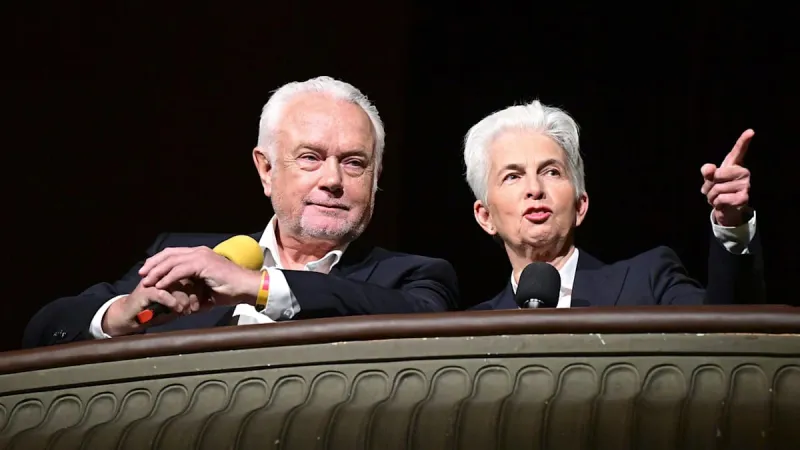
The Free Democratic Party (FDP) federal conference witnessed an unexpected turn of events as prominent European politician Marie-Agnes Strack-Zimmermann announced her candidacy for the party leadership, directly challenging the established Wolfgang Kubicki. This surprise declaration at the ongoing party gathering has ignited internal debate and signaled a potential shift in the FDP's trajectory.
Strack-Zimmermann, known for her assertive stance on European defense and foreign policy, conveyed her readiness to contest the party's top position. Her decision creates an immediate and high-stakes election, diverting from what many observers anticipated to be a more straightforward leadership endorsement.
Wolfgang Kubicki, a veteran figure within the FDP and currently serving as Vice President of the Bundestag, has long been a defining voice for the liberal party. His robust and often provocative style has garnered both strong support and occasional criticism from various factions.
The challenge from Strack-Zimmermann indicates a desire for new leadership or a different strategic direction for the FDP as it navigates the complex German political landscape of 2026. The party, a key component of Germany's current governing coalition, faces ongoing scrutiny over its policy positions and electoral appeal.
Her candidacy introduces an intriguing dynamic to the leadership race. Strack-Zimmermann's profile as a leading voice on international affairs, particularly concerning security and Europe, could resonate with members seeking a more outward-looking or decisive leadership style.
The federal party conference, typically a platform for policy debates and strategic planning, has now become the arena for a significant internal power struggle. Delegates are faced with a pivotal choice that could redefine the FDP's public image and its role within the German government.
Analysts suggest this challenge may reflect deeper currents of discontent or ambition within the party. While Kubicki's influence is undeniable, a direct contest offers an opportunity for members to express preferences for future leadership and ideological emphasis.
The timing of Strack-Zimmermanns announcement, delivered with palpable resolve, caught many off guard. It underscores a strategic move designed to leverage the immediacy and attention of a national party convention for maximum impact.
The implications of this leadership contest extend beyond mere internal politics. The FDP's stability and coherence are crucial for the current governing coalition. A contentious leadership battle could either invigorate the party or expose existing fissures.
As the conference proceeds, both candidates are expected to articulate their visions for the FDP's future. Members will weigh experience, policy stances, and leadership styles against the backdrop of Germany's domestic challenges and international commitments.
This unexpected development arrives at a time when German politics continues to evolve, with debates ranging from economic policy to immigration. For instance, the conservative AfD party recently pushed an austere asylum plan, sparking significant national debate, highlighting the competitive environment the FDP operates within.
The outcome of this leadership challenge will undoubtedly shape the FDP's internal dynamics and its public perception. It represents a critical moment for the party to reaffirm its identity and direction in contemporary German politics.