 Chris Robert
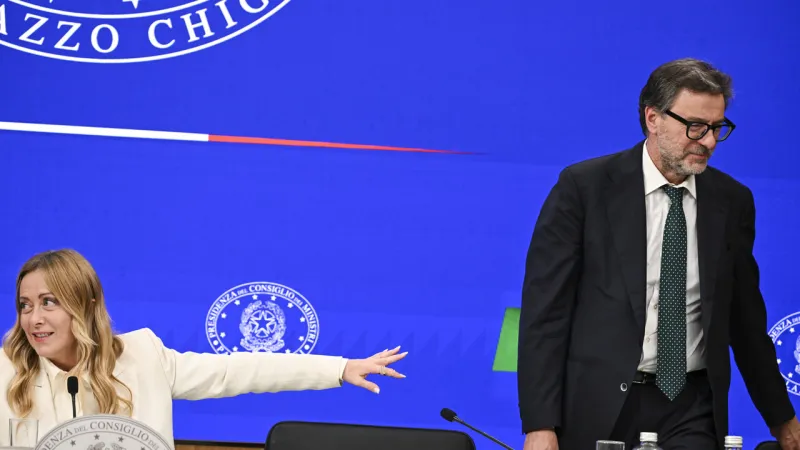
ROME - The Italian government currently seeks only marginal amendments to its crucial annual budget maneuver as it advances through the Chamber of Deputies, encountering significant pressure from various organized societal categories. This legislative process faces a particularly vocal alarm from the CGIL, one of the nation's largest trade unions, regarding potential pension cuts, while the Council of Ministers also anticipates a new decree addressing energy costs.
The Chamber of Deputies has become the focal point of what observers describe as a siege of categories, where representatives from diverse economic and social sectors are lobbying intensely for adjustments to the sweeping fiscal package. These groups advocate for their specific interests, ranging from tax relief to targeted subsidies, all hoping to influence the final shape of the government's economic blueprint.
The gravest concern emanating from organized labor circles centers on pension provisions. The CGIL, a powerful confederation of Italian trade unions, has forcefully articulated its alarm over proposed measures within the Italian Budget maneuver that it contends could lead to detrimental cuts for retirees and future pensioners. The union insists any such changes would severely impact social welfare and spark widespread public discontent.
Conversely, the government maintains a firm stance, signaling its intention to approve the budget with minimal alterations. This strategy underscores a commitment to fiscal prudence and aims to preserve the financial stability outlined in its initial proposal. Officials emphasize the necessity of a streamlined process to ensure timely implementation of economic policies.
The legislative journey for the budget maneuver through the Chamber of Deputies is a critical phase. Lawmakers are tasked with reviewing, debating, and ultimately voting on the comprehensive financial document. The government's preference for minor modifications suggests a desire to avoid protracted parliamentary battles that could delay its passage and potentially dilute its core objectives.
Adding another layer of urgency to the political agenda is the awaited bill decree on energy costs, slated for discussion in the Council of Ministers. This measure is designed to mitigate the impact of escalating energy prices on households and businesses, a persistent challenge for the Italian economy. Its timely approval is deemed essential for economic recovery and stability.
The interplay between the budget maneuver and the energy bill decree highlights the multifaceted economic challenges confronting Italy. While the budget sets the broader fiscal framework, the energy decree addresses an immediate and pressing cost-of-living issue, both requiring delicate political navigation and public acceptance.
The government faces the delicate task of balancing the demands of influential interest groups with its commitment to a fiscally responsible budget. Yielding to significant pressure from one category could open the floodgates for others, potentially unraveling the entire financial plan and undermining public trust in its economic management.
Historically, negotiations surrounding Italy's annual budget have often been contentious, marked by spirited debates between executive power and organized labor. The current climate of intense lobbying and union warnings echoes previous periods of significant social and political tension, underscoring the enduring power of collective action in Italian governance.
The stakes are considerable for the ruling coalition, as the successful and largely unamended passage of the Italian Budget maneuver would signify a strong mandate and demonstrate effective governance. Conversely, substantial changes forced by opposition or interest groups could be perceived as a political weakening.
Looking ahead, the next few weeks will be pivotal as the budget progresses through its final stages in the Chamber before moving to the Senate. The government hopes to navigate these waters with minimal concessions, ensuring the integrity of its economic vision while addressing the most critical societal concerns, particularly those raised by influential bodies like the CGIL.
Any minor modifications accepted by the government will likely be strategic, aiming to appease specific, highly vocal groups without fundamentally altering the budgetary framework. This cautious approach seeks to maintain stability and avoid any actions that could exacerbate public anxiety over economic prospects, especially regarding vital social protections such as pensions.