 Angela Stefani
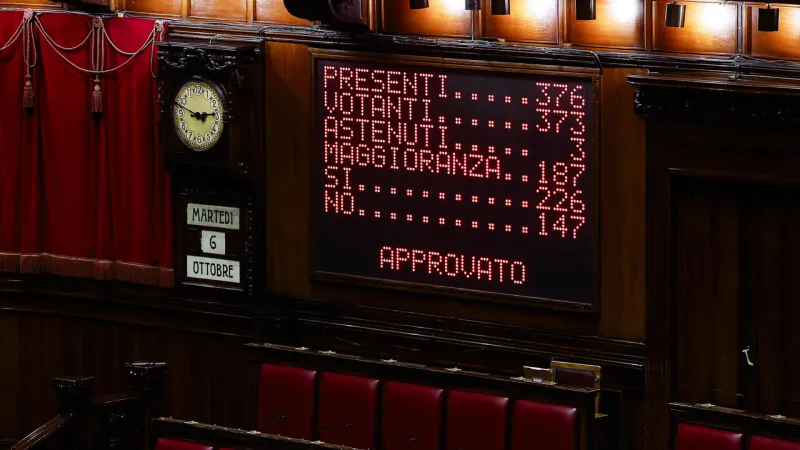
Rome, Italy – The Italian Chamber of Deputies has approved Article 1 of a pivotal electoral reform bill, securing its passage through a confidence vote with 226 affirmative votes. This legislative advancement, a key initiative for the current administration, marks a significant step towards modifying Italy’s complex electoral system. The proposed changes within Article 1 are designed to refine the process of citizen participation and representation.
The confidence vote, a common but high-stakes parliamentary maneuver in Italian politics, underscores the government's determination to expedite the reform's passage and maintain legislative stability. By tying the fate of the government to the approval of Article 1, the executive branch effectively transformed the vote into a crucial test of its majority support, bypassing lengthy debates.
At the heart of Article 1 are several substantial modifications. Foremost among these is the reintroduction of explicit preferences, a mechanism that allows voters greater direct influence over the selection of candidates within party lists. This measure aims to enhance voter engagement and accountability among elected officials, addressing long-standing calls for more direct democratic input.
Additionally, the reform text significantly increases the required number of signatures for electoral lists and candidacies. Proponents argue this adjustment will help streamline the political landscape by ensuring only parties with a demonstrable level of popular support can contest elections, potentially reducing fragmentation.
These preferences were initially introduced by the Senate, signaling a coordinated legislative effort between Italy’s two parliamentary chambers. The Chamber of Deputies’ subsequent approval of Article 1, especially under a confidence vote, signifies a strong governmental push to enact these specific changes into law.
Political analysts suggest that the adoption of these electoral reforms could reshape future electoral outcomes, influencing party strategies and coalition formations. The shift towards greater individual candidate preference aims to empower voters beyond simply choosing a party, potentially fostering a more personalized connection between constituents and their representatives.
The increased signature requirements, while intended to promote serious candidacies, also pose a challenge for smaller or nascent political movements. Critics sometimes argue such measures could inadvertently strengthen established parties, making it more difficult for new voices to emerge on the national stage.
The government's decision to utilize a confidence vote for this specific article highlights the critical importance it attaches to the broader electoral reform agenda. Such a move minimizes the risk of amendments from within the majority coalition, ensuring the text remains largely as drafted and aligned with governmental objectives.
As the legislative process advances, the final parliamentary vote on the entire electoral reform bill is anticipated on Thursday. This upcoming vote will determine the complete trajectory of the proposed changes and their ultimate implementation across Italy.
This development follows earlier political maneuvers surrounding the government’s broader legislative ambitions. For more context on the political stakes involved, readers may refer to the article Italian Government Gambles on Confidence Vote for Election Reform, which explored the administration's strategic use of confidence votes to push through key legislation.
The discussions surrounding electoral reform in Italy are often robust, reflecting the nation's rich democratic history and its periodic efforts to refine its political machinery. Previous attempts at reform have sometimes encountered significant political resistance, making the current progress notable.
These adjustments to the electoral law are part of a continuous national dialogue aimed at enhancing the efficiency and fairness of Italy’s democratic processes. The outcome of the final vote will set the framework for how Italian citizens will elect their representatives for years to come.