 Stefani Rindus
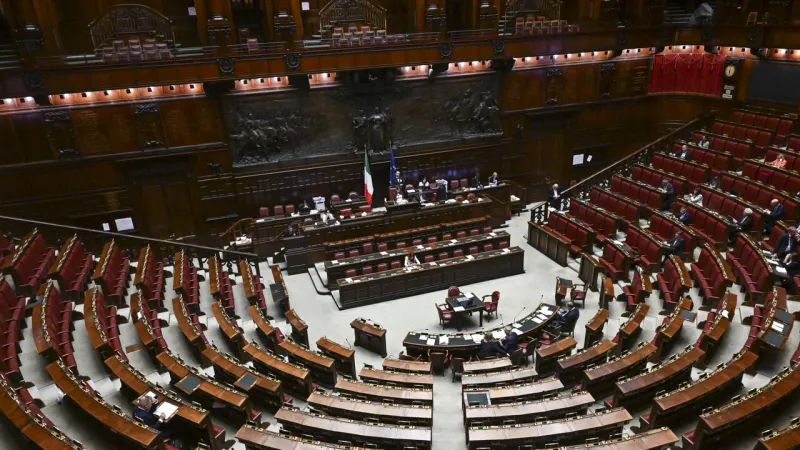
Rome — The Italian government has invoked a confidence vote on the initial three articles of its proposed electoral law reform this week, a decisive move aimed at expediting legislative approval amidst staunch opposition. This high-stakes procedure, which inherently links the executive's survival to the passage of these foundational clauses, sets the stage for a critical final secret ballot anticipated on Thursday, October 8, accompanied by live televised declarations from parliamentary leaders.
Opposition parties swiftly condemned the government's action, collectively labeling it a “slap to Parliament.” This sharp rebuke underscores the deep divisions surrounding the electoral reform, which proponents argue is essential for political stability and governability in a nation historically prone to coalition shifts and frequent changes in leadership. The confidence vote effectively bypasses extensive debate and amendment processes, forcing a direct up-or-down decision on the government's core legislative proposal.
The application of a confidence vote is a powerful, though controversial, parliamentary tool available to Italian governments. It compels lawmakers to either approve the specific measure or risk precipitating a government collapse, potentially triggering early general elections. For the executive, it represents a calculated gamble, prioritizing the swift enactment of a contentious law over a protracted and potentially watered-down legislative journey.
Analysts suggest the government's decision signals a firm determination to overhaul Italy's electoral system, a perennial topic of political discourse. While the precise details of the three articles remain subject to parliamentary scrutiny, their foundational nature indicates they are crucial components designed to shape future election outcomes and government formations. The ruling coalition evidently believes these changes are indispensable for ensuring a more stable political landscape.
This maneuver comes amid broader political discussions in Italy, where figures like Matteo Renzi have actively challenged the current administration, notably stating that a united opposition can prevail and force a resignation. Such pronouncements highlight the volatile nature of Italian politics and the constant pressure governments face. The electoral law represents a significant battleground in this ongoing struggle for political influence and stability.
The upcoming vote on Thursday, October 8, will not only determine the fate of the electoral reform but also serve as a barometer for the government's internal cohesion and its ability to manage dissent. A successful passage would undoubtedly bolster the executive's authority, allowing it to pursue its agenda with renewed vigor. Conversely, a defeat would plunge the nation into a political crisis, raising questions about the government's longevity and potentially leading to snap elections.
The opposition's outcry, characterizing the move as an affront to democratic legislative processes, focuses on the perceived marginalization of parliamentary debate. Critics argue that bypassing thorough deliberation diminishes the role of elected representatives and reduces complex policy decisions to a simple test of confidence in the executive. This sentiment reflects a recurring tension in many parliamentary democracies between governmental efficiency and legislative scrutiny.
Italy's history is replete with instances where governments have resorted to confidence votes to push through critical, often unpopular, legislation. From economic reforms to constitutional changes, the mechanism has been deployed to overcome parliamentary gridlock. The current government's reliance on this tool for electoral law underscores the perceived urgency and strategic importance of the reform.
As the nation approaches the pivotal vote, political observers will keenly watch for any signs of wavering support within the ruling coalition. Even with a declared confidence vote, internal party dissent can sometimes manifest, creating unpredictable outcomes. The secret ballot aspect of the final vote adds an additional layer of intrigue, allowing individual lawmakers to vote their conscience without immediate public accountability.
The televised declarations preceding the vote aim to provide transparency and allow party leaders to articulate their positions directly to the public. These moments often become platforms for impassioned speeches, further crystallizing the ideological divides and political stakes involved. The outcome will undoubtedly have far-reaching implications for Italy's future political landscape and its democratic processes.