Chandra Wijayanto
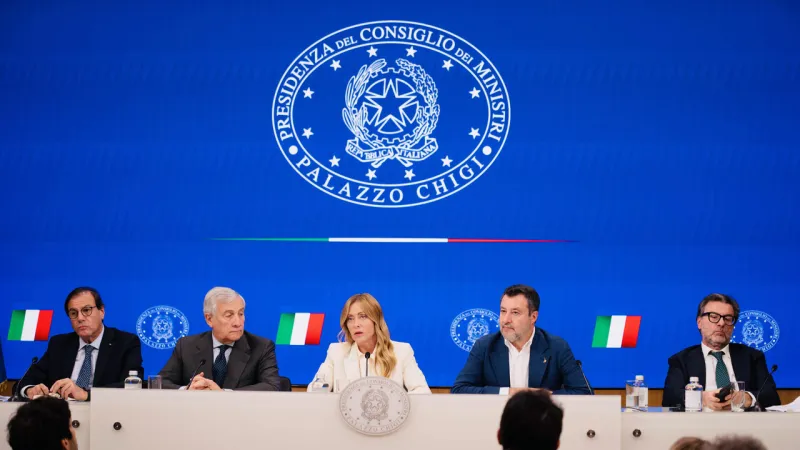
ROME – Italy's ruling coalition has convened for urgent discussions aimed at recalibrating the nation's critical finance bill, commonly referred to as the budget maneuver. The high-stakes meeting comes as the government grapples with deeply contentious policy issues, ranging from the widely debated Superbonus tax incentive to allocations for public education and healthcare, while simultaneously reviewing a consolidated package of proposals from opposition parties.
The extraordinary summit underscores the intricate challenges facing the current administration as it navigates economic realities and diverse political agendas. The finance bill, a cornerstone of government policy, must secure parliamentary approval and address the nation's fiscal priorities without exacerbating existing social or economic fissures.
A central point of contention remains the Superbonus, a generous tax credit designed to encourage energy efficiency and anti-seismic upgrades in residential buildings. Initially lauded for stimulating the construction sector, the incentive has faced increasing scrutiny over its substantial fiscal burden and implementation complexities. Modifications are now deemed indispensable to ensure its long-term sustainability.
Beyond the Superbonus, significant budgetary knots pertain to the critical sectors of education and healthcare. Funding levels for schools and public health services have consistently been subjects of intense debate, with stakeholders advocating for increased investment to maintain standards and address systemic deficiencies. The government faces the delicate task of balancing these demands against broader fiscal constraints.
Internally, the majority parties are engaged in robust negotiations, seeking common ground on amendments that can satisfy their respective political bases while upholding the government's overall vision. These discussions are pivotal, as any significant disagreement could destabilize the coalition's unity and impede the swift passage of the finance bill.
Simultaneously, opposition parties have presented a unified package of alternative proposals. This collective effort signals a concerted attempt to influence the legislative process and offer divergent solutions to the nation's economic and social challenges. Their proposals frequently emphasize greater investment in public services and targeted social support.
The government's response to these opposition initiatives will be a telling indicator of its willingness to compromise and incorporate diverse perspectives into the final legislative text. While a complete overhaul of the bill is unlikely, specific amendments could reflect concessions made to garner broader political consensus.
Economists and market analysts are closely observing these developments, understanding that the finance bill's ultimate form will significantly impact Italy's economic trajectory. Decisions made now regarding public spending, tax policy, and structural reforms will shape investor confidence and affect the country's growth prospects for the coming year.
The intricate dance of negotiation and political maneuvering highlights the perennial difficulties in crafting comprehensive legislation that caters to varied societal needs. The balance between fiscal prudence and social welfare remains a crucial aspect of this ongoing legislative process. Indeed, debates surrounding national budgets often echo broader discussions about public investment and austerity measures, as seen in other European contexts.
The outcome of these critical meetings will determine the shape of Italy's economic future, influencing everything from household incomes to the nation's standing within the European Union. The government aims to finalize a revised finance bill that is both fiscally responsible and politically viable, navigating a complex web of demands and expectations.